Licence For A New Hepatitis Treatment, With An Eye To Affordability
The Medicines Patent Pool has received a licence to develop ravidasvir, a new treatment for hepatitis C.

Original news and analysis on international IP policy
The Medicines Patent Pool has received a licence to develop ravidasvir, a new treatment for hepatitis C.
A group of 15 US and foreign tech and automobile companies and organisations has sent a letter to the White House asking for support to reduce what they see as rising anti-competitive licensing practices involving standards essential patents (SEPs).

Hepatitis-related mortality is on the rise, despite the existence of an efficient vaccine for hepatitis B and a cure for hepatitis C, according to the World Health Organization hepatitis report 2017 published today. One of the issues is that a majority of people are unaware of their condition due to limited access to affordable hepatitis testing. The price of the hepatitis C medicines has decreased in low-income countries, but still remains a barrier in upper-middle income and high-income countries, the WHO said.

The participation of small-scale farmers at the table of international negotiations and the protection of agricultural biodiversity are key to food security, according to the Quaker United Nations Office, which published last month two policy briefs with a list of recommendations.
The use of pirated content in Russia may significantly increase in the event of a decision by leading foreign video-sharing websites and servers to leave the country due to the planned imposition of restrictions on their ownership by foreigners, which is currently being considered by the Russian government and the local Parliament (State Duma).
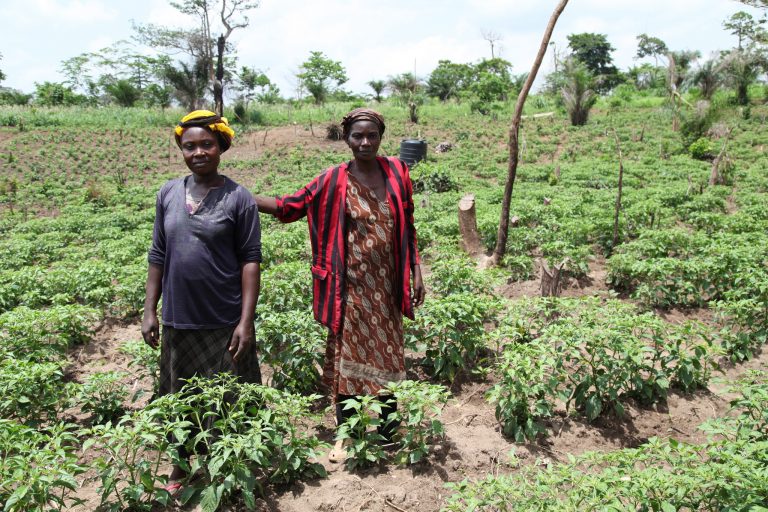
Civil society and farmers allege communication blackout from by the African Regional Intellectual Property Organization (ARIPO) about a protocol protecting new plant varieties. The 2015 protocol was highly criticised by those organisations as endangering traditional practices of African farmers. Draft regulations could not be adopted in December, but the regional organisation, according to the civil society and farmer groups, is keeping the outcome of the December meeting secret.

An international civil society tribunal has found that agro-business multinational Monsanto conducts activities that violate basic human rights. The five international judges of the Monsanto Tribunal presented their condemning verdict yesterday.

Five years after health institutions and actors including pharmaceutical companies endorsed the London Declaration on Neglected Tropical Diseases, meant to support the World Health Organization to control and eradicate 10 specific diseases by 2020, new commitments were announced today (18 April) in Geneva.

Google’s Waymo claims Uber, an app-based taxi service, stole technology for a critical component for driverless cars, as the one of the world’s most-powerful tech titans wages a fierce legal battle to protect its intellectual property in an emerging area of the automotive industry.
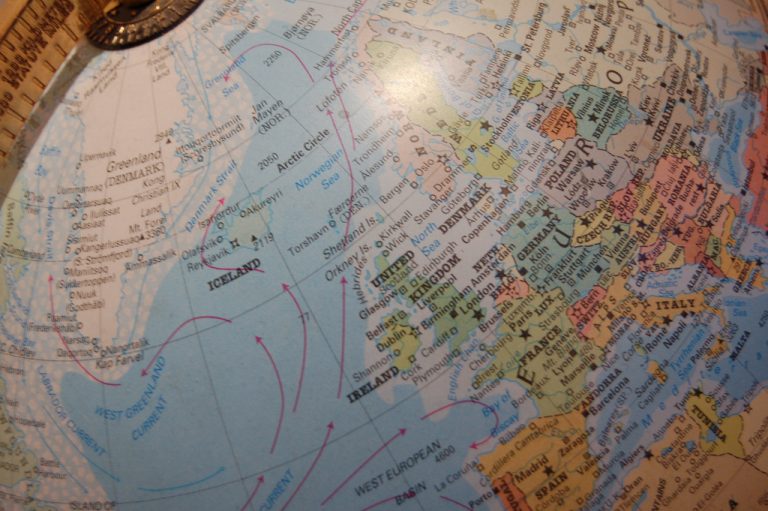
A private sector project to identify and compile all geographical indications in the world in a database is expected to be completed in the fall. The compilation is aimed at helping intellectual property professionals, trademark owners, and other users in their decision-making, and will be freely available, according to the organization for an international Geographical Indications Network (oriGIn). There is currently no international register of GIs.

The protection of geographical indications could impede the ability of long-term producers to continue using what they consider as being generic names, according to several speakers at an event last month at the World Intellectual Property Organization. The discussion is also ongoing at the World Trade Organization in the context of barriers to trade. The side event focused on the case of danbo cheese, a Danish cheese manufactured in several countries, particularly in Uruguay.

Parminder Jeet Singh writes: The World Wide Web today stands at a crossroads, as its standards body, the World Wide Web Consortium (W3C), considers the demand of big content providers to provide them with the facility to be able to control user devices for ensuring that their content is not copied. This facility is called the Encrypted Media Extension (EME), which enables these companies to put digital rights management (DRM) into the user's browser, whether the user wants it or not, and whether such restrictions are as per the user's local national laws or not.