Category Venues

Helping Understand The Internet Phenomenon: Interview With New ISOC CEO Andrew Sullivan

Starting 1 September, Andrew Sullivan takes on the role as CEO and President of the Internet Society. Selected by the ISOC Board of Trustees, Sullivan looks like an apt bridge builder between the world of internet technology and the world of policymakers. Equipped with experience in developing technology at Dyn, a DNS company recently acquired by Oracle, and a tenure as Chair of the Internet Architecture Board, a peer body of the standards body Internet Engineering Task Force, Sullivan has a degree in philosophy and is no stranger to public sphere theorist Juergen Habermas. After the heavy attack on Dyns DNS network, via low-cost cameras – the so-called Mirai attack – the Canadian warned against knee-jerk attempts for regulation, but acknowledged that technological solutions might need some assistance from policymakers. Answering questions with journalist Monika Ermert in writing from the meeting of the ISOC Board of Trustees in Panama, Sullivan diplomatically underlined that collaboration is key for everything on the internet. In his new position, Sullivan follows Kathy Brown, a former AT&T manager.

Excessive Pricing And Sham Patent Litigation: The Pfizer And AbbVie Decisions

Frederick Abbott writes: Competition law is a critical tool in seeking to maintain some semblance of reasonable pricing in the pharmaceutical market. It is particularly important as legislators around the world appear extremely hesitant to address pharmaceutical pricing in meaningful ways, regrettably influenced by well-funded lobbying.

Two recent competition law decisions discussed below illustrate the importance of and challenges to regulating the pharmaceutical sector. In the first, the UK Competition Appeal Tribunal (CAT) partially upheld and partially reversed and remanded (pending briefing) a decision by the Competition and Markets Authority (CMA) fining Pfizer and Flynn close to £90 million for abuse of dominant position in the excessive pricing of an anti-epilepsy drug. The CAT decision is problematic because it creates unnecessary and unwarranted hurdles to findings of excessive pricing in the UK. In the second decision, the US Federal Trade Commission succeeds in proving that AbbVie engaged in abuse of monopoly power by engaging in sham patent litigation against two generic producers in order to delay market entry of competitive products. The Federal District Court found that AbbVie’s patent lawyers by “clear and convincing” evidence had knowingly pursued patent infringement claims without chance of success for no other purpose than to delay market entry.

WTO Panel On Australia’s Tobacco Plain Packaging: A Fact Dependent Analysis Of TRIPS Art 20

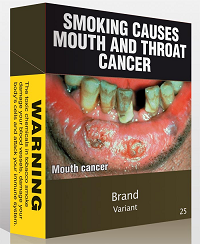
The WTO Panel’s long-awaited Reports in the four complaints against Australia’s tobacco plain packaging measures were circulated on 28 June 2018, more than 4 years since Panel establishment. Australia’s victory was absolute. It successfully defended its measures against every claim. Yet closer analysis of the Panel’s reasoning regarding specific provisions such as Article 20 of the TRIPS Agreement may cause some concern for policy-makers given how much the Panel’s conclusions relied on its assessment of the facts and evidence before it.

WIPO IP And Genetic Resources Committee Makes Progress Despite Block At End

It seemed last week that after years of mainly fruitless discussions at the World Intellectual Property Organization committee seeking ways to protect genetic resources, progress was achieved and some agreement was within reach. However, on the last day, the United States, supported by Japan, rose against the consensus on a draft text, provoking the ire of developing countries, and general disappointment.

Australian Tobacco Plain Packaging Upheld In Decision At WTO

A World Trade Organization dispute settlement panel has ruled that Australia's law requiring tobacco products be sold in plain packages in the interest of public health does not violate the country's obligations at the global trade body. In Australia and increasingly in other countries, tobacco must be sold with no trademarks or marketing visible other than name. The landmark dispute was seen by some as at the nexus of economic and health interests for the WTO.

Disclosure, Sanctions – Still To Be Overcome In WIPO Genetic Resources Negotiations

Efforts to draft new language to bridge gaps in this week’s negotiations on a potential treaty protecting genetic resources at the World Intellectual Property Organization were praised by a number of participants. However, what is now presented as a "package" proposition, focusing the instrument on patents, left some developing countries with the feeling that the concessions they made on the patent-only focus are not being met with a similar efforts by others, in particular on a proposed disclosure requirement for patent applicants.

Indigenous Knowledge Databases: Is It Something To Be Concerned About?

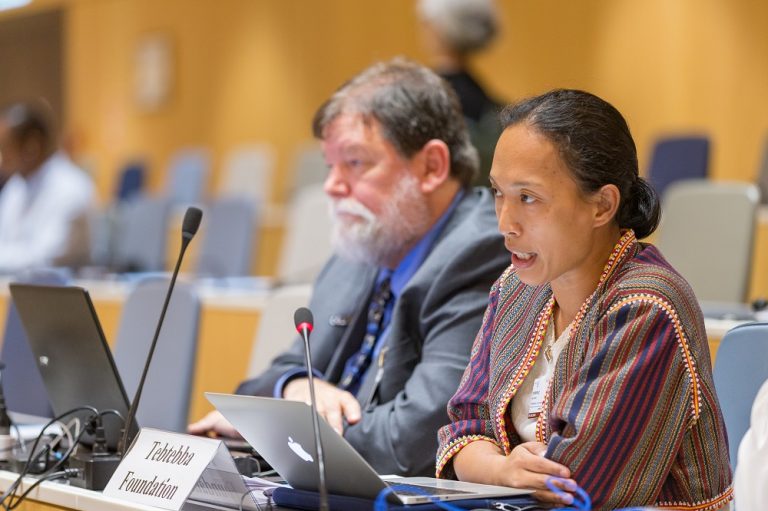
Almost all information today ends up in a database. It is organised and made readily accessible. While it sounds positive, for indigenous communities, it can be crucial. Databases of their knowledge, culture, and genetic resources, if misused, can undermine generations of community effort and maybe even their sustainability. A panel of indigenous peoples’ representatives presented their concerns about databases this week to governments attending a World Intellectual Property Organization meeting on genetic resources.