Category Venues

Why Follow-On Pharmaceutical Innovations Should Be Eligible For Patent Protection

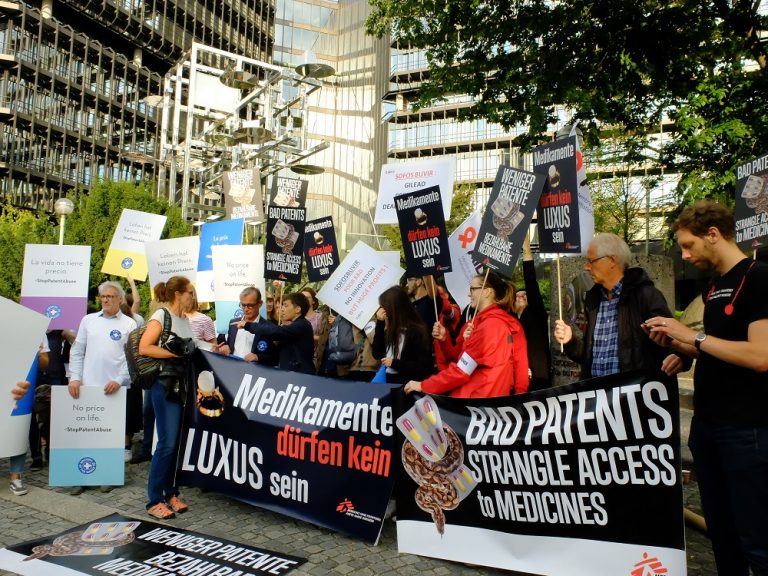
Christopher M. Holman writes: Despite the important role of intellectual property rights in incentivizing innovation, the patenting of pharmaceutical innovation is frequently accused of impeding access to medicine. Criticism of the prevailing patent regime has focused in particular on patents directed towards follow-on pharmaceutical innovation, i.e., innovation that seeks to improve upon existing pharmaceuticals and their use in treating patients. Patents on follow-on innovation are often derided as “secondary” patents, with the implication that the underlying inventions are somehow lesser in nature than the subject matter claimed in “primary” patents, i.e., the drug active ingredient per se. While implicitly acknowledging the legitimacy of primary patents, critics of so-called secondary patents contend that patents on follow-on innovation allow drug innovators to “evergreen” their products, i.e., to extend the period of patent exclusivity beyond the expiration of any original patent on the drug active ingredient, and in doing so contribute to the high cost of drugs, thereby limiting the ability of patients to access the drugs upon which they have come to rely.

WHO Releases Draft Roadmap For Access To Medicines; Comments Show Polarised Views

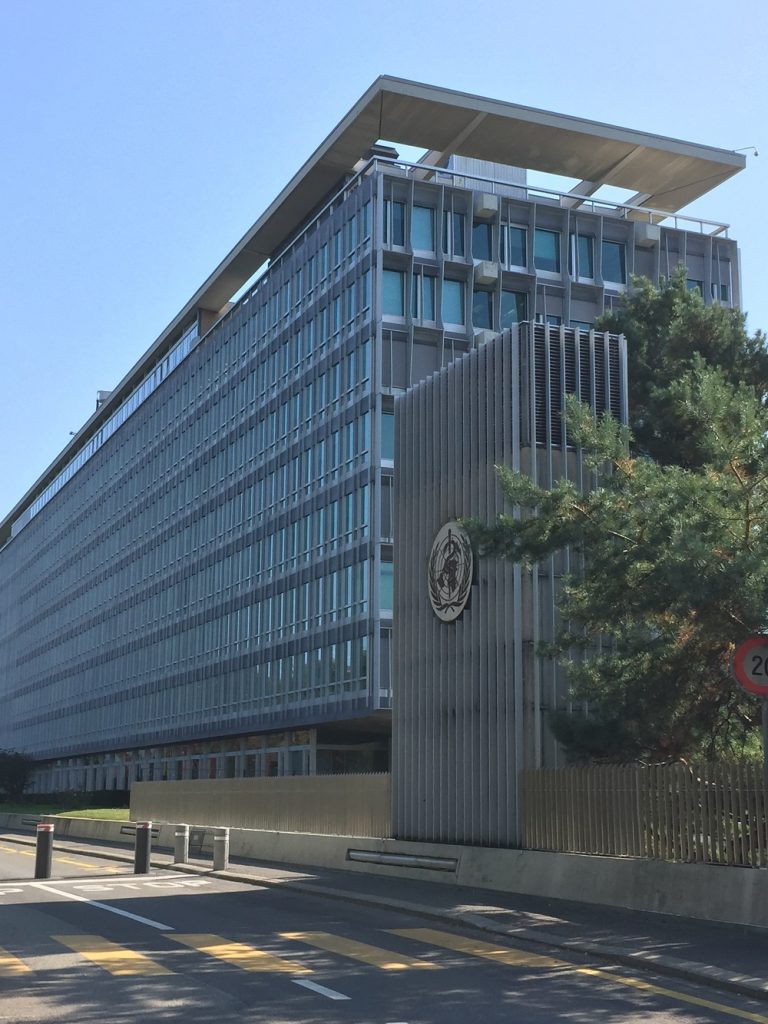
It is now acknowledged by most that the issue of access to medicines is not only a concern for developing and low-income countries, but a global challenge. The World Health Organization was tasked at its last annual assembly in May to draft a roadmap for access for the next five years. A preliminary draft of the roadmap was discussed last week with member states and stakeholders. The roadmap includes 10 priority activity areas, and a number of deliverables.

Video: Hackers To The Rescue – Defining Good Hacking

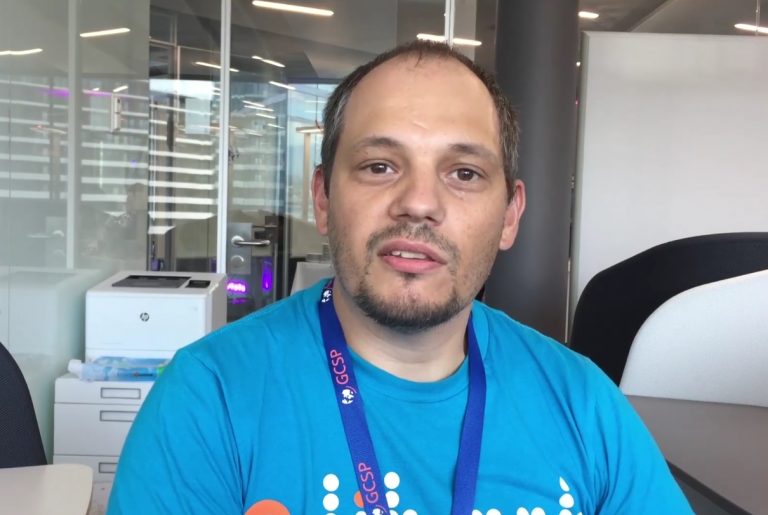
Noci, the fictional city attacked by malevolent hackers during ICON2018, was saved and the challenge was won by a Swiss team. What is a hacker, how do they define themselves? Two members of ICON, a young non-governmental organisation in Geneva, answered that question for Intellectual Property Watch, with the same affirmation: a hacker is first and foremost a curious mind. View the IP-Watch video interviews below.

Analysis: Move To Contain Global Challenge By Ascending China At Play In Escalating Trade War Between Washington And Beijing

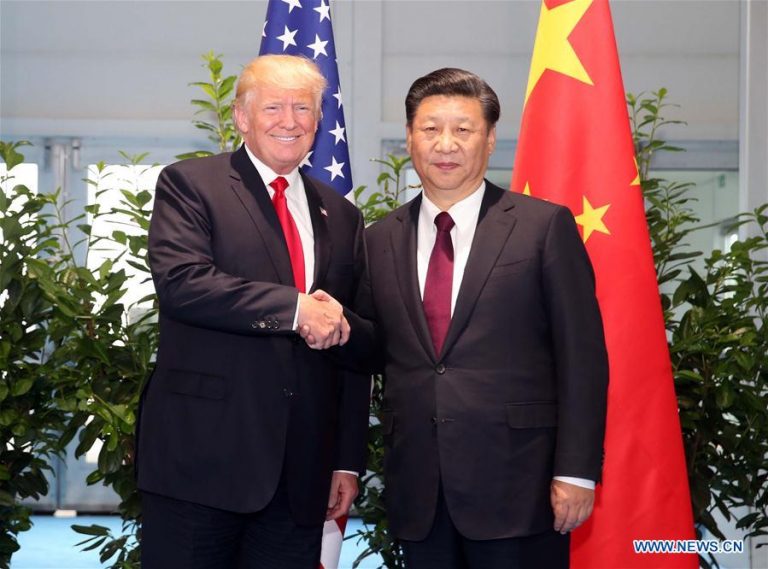
The latest escalation in US-Sino trade tensions following the announcement by President Donald Trump on 17 September that the US will slap 10 percent punitive tariffs on $200 billion worth of Chinese goods imports effective on 24 September and increase them to 25 percent on 1 January 2019, and China's counter-salvo announced on 18 September to impose tariffs of between 5 and 10 percent on $60 billion worth of US goods imports to kick in on 24 September may prove difficult to ease back from the brink.

Hackers For Good, Gathering Stakeholders To Find Answers To Cyberspace Challenges

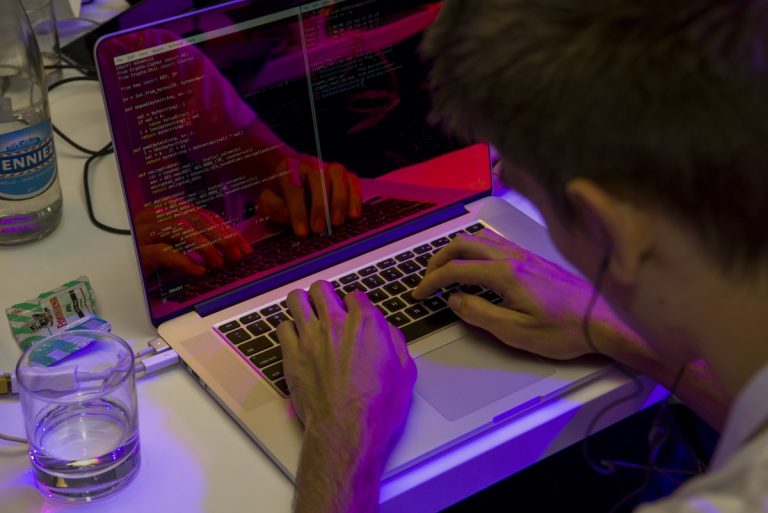
For a number of people, the word hacker means bad news. However, if some hackers have malevolent intentions, there are also hackers for good, and their skills were put to the challenge last week as they tried to save a fictitious city fallen into the hands of a group of cyber terrorists. The challenge was part of a two-day event organised by a young Geneva-based non-governmental organisation seeking to raise awareness about digital trust and bring accountability to cyberspace.

Negotiated Deal For UN Tuberculosis Declaration Stands

The negotiated deal over the language of the United Nations political declaration on tuberculosis, a landmark in the fight against TB, has been maintained by member states and was finalised on 14 September, marking the end of intense negotiations over language on intellectual property flexibilities in the document.

WIPO, Global Protector Of Creators’ Rights, Hosts A Sizeable Art Collection Itself

International organisations are the repository of many works of art, but little is known by the public of their vast collections. The UN’s World Intellectual Property Organization in Geneva hosts over 500 works of art, some of them displayed in public spaces, most of them in storage, their value unclear. They have been gathered since the inception of the organisation, before it became WIPO in 1970, most of them given or loaned. What is considered works of art include a diversity of items. The most unusual and rare, a piece of the moon, sits in full view in a glass display in a lobby.

EPO Upholds Gilead Patent On Hep C Medicines, But In Amended Form

[Updated] The European Patent Office (EPO) on 13 September ruled in favour of pharmaceutical company Gilead and maintained the company's patent on hepatitis C drug sofosbuvir. The patent, however, is maintained in an amended form. Civil society involved in the case expressed dismay over the outcome and its potential effect on European drug prices.

Brazilian Supreme Court Refuses To Judge Its Biggest Case On IP And Access To Medicines, And Benefits Big Pharma With Undue Monopolies

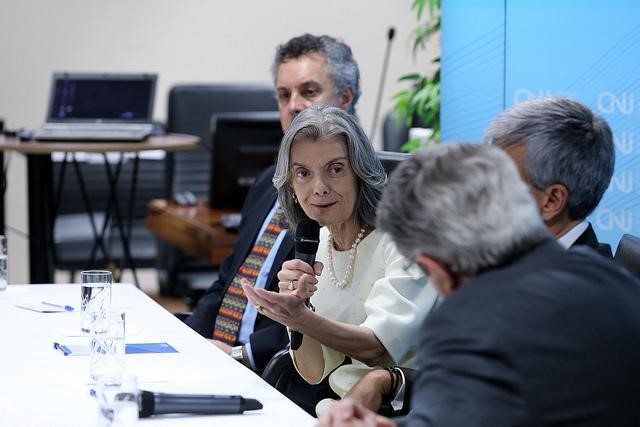
Marcela Fogaça Vieira and Pedro Villardi write: The Brazilian Supreme Court (STF) has mysteriously cancelled the judgment of the most important case regarding intellectual property and health ever to be decided by the court. On 28 June, the date of the judgment was set for 6 September. The cancellation occurred on the eve of the judgment, something very rare in the practice of the Court. The lack of decision on the case only benefits the transnational companies awarded with hundreds of undue monopolies. Just a few days before, the President of the STF - Judge Carmem Lucia - had a meeting with Interfarma, the association of multinational pharmaceutical companies in Brazil.