EU Regulation On Identifier For Medical Products Published
An anti-counterfeiting regulation on a unique identifier for medical products to ensure their authenticity was published today in the European Union.

Original news and analysis on international IP policy
An anti-counterfeiting regulation on a unique identifier for medical products to ensure their authenticity was published today in the European Union.
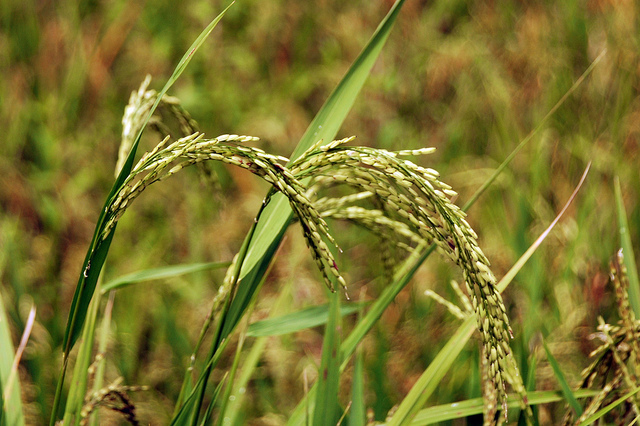
The International Plant Treaty, which established a global system to make available genetic materials for main agricultural crops for farmers, plant breeders and scientists, and in exchange provide a system of benefit sharing, has been struggling to find ways to be financially sustainable for some time. This year, the treaty will work on ways to do that, including in devising a subscription system that would reach a twin goal: avoiding non-payment of voluntary contributions, and ensuring a sustainable and predictable income stream. In addition, a global consultation on farmers’ rights is planned, and work should be ongoing on a global information system allowing more visibility for plant genetic material for food and agriculture.
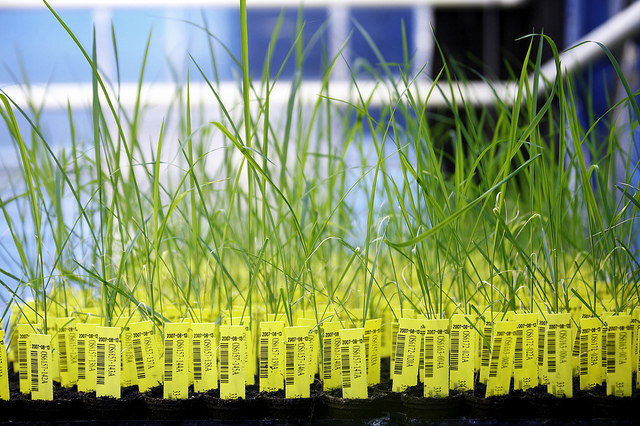
The Geneva-based International Convention for the Protection of New Varieties of Plants (UPOV) provides intellectual property rights protection for plant breeders. In 2016, the organisation is planning to work on systems to facilitate breeders’ applications for new varieties. Meanwhile, civil society is calling for ways to protect plant varieties other than through UPOV, which they see as hindering farmers’ rights.
Senior Swedish official Göran Marby today (8 February) was announced as the new president and CEO of the Internet Corporation for Assigned Names and Numbers, succeeding Fadi Chehade who leaves the ICANN to join the World Economic Forum in mid-March. Marby will be the first European to lead ICANN, the internet domain system technical oversight body.

The lack of preparedness to counter the effects of Zika virus follows a familiar script - a virus known since 1947, but one that has no currently available vaccine or treatments, like many neglected tropical diseases. This case could be illustrative of the wider struggle to finance investments into neglected diseases, but may tell a different story given its rarity of occurrence. It also may demonstrate how the World Health Organization is re-emerging as the global leader on response to outbreaks.

The year 2016 promises to be rich in debates on plant patenting, protection of genetic resources and traditional knowledge, and biopharmaceuticals. Here are some key issues and dates to watch for.
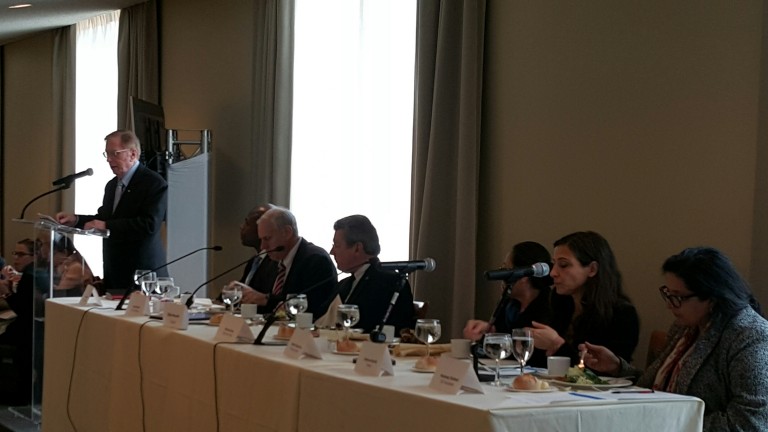
NEW YORK -- It came as a surprise to some when the United Nations Secretary General’s office announced in November the setting up of a high level panel to urgently address access to medicines and other health technologies. After all, UN agencies in Geneva, most notably the World Health Organization, have been working on these issues for years. Yesterday at the UN in New York, an event was held to explain some of the vision and urgency behind the setting up of the panel, which includes an expert committee of representatives of some 10 international organisations and others. It also includes an open online call for contributed ideas until 18 February, and two public hearings.
World Health Organization members are expected to meet this spring to assess progress and discuss potential solutions to the lack of financing for research and development for diseases affecting primarily developing countries. The WHO Executive Board last week discussed and noted a report by the WHO secretariat for the preparation of the open-ended meeting. The exact date of the meeting is not certain, according to WHO officials, but would likely be in March or April.

Sheer intellectual property filings may not be the only or even best measure of innovation, but they are a closely watched economic indicator. Using what data it has, the World Intellectual Property Organization recently touted China's continued massive growth in this area, particularly in patent applications.
Nearly 200 organisations, companies and others from 42 countries have signed an open letter to the international community demanding that stronger encryption tools be allowed to be developed and used. The letter describes encryption tools and services as vital components of maintaining a secure digital environment, where if users are allowed to use the strongest forms of encryption it can allow for the safest and most efficient ways to communicate across borders.
The United Nations will fund 60 startups to create open source technologies to improve the lives of children in developing countries. Unicef, the children's charity run by the UN, will channel more than $9 million into startups based on venture capital-style investing. But it isn't concerned if the companies fail.
A day after the European Commission announced an agreement with US authorities for a “Privacy Shield” as a follow-up mechanism for the invalidated Safe Harbour Agreement, the Article 29 Working Party of European Union data protection officers said they need to see the written text before making their final assessment.