Category Technical Cooperation/ Technology Transfer

Central European Countries Establish Visegrad Patent Institute To Reduce Costs, Facilitate Applications

WARSAW - In a move towards increased regional cooperation in the field of intellectual property, Poland, Hungary, Slovakia and the Czech Republic have signed an agreement to set up the Visegrad Patent Institute (VPI). And representatives of the parties to the agreement say that their ambitions reach further, towards ensuring the recently-established body becomes a regional hub for patent cooperation in Central-Eastern Europe.

Gathering Looks At Governance Of WIPO, IP, In Multilateral Fora

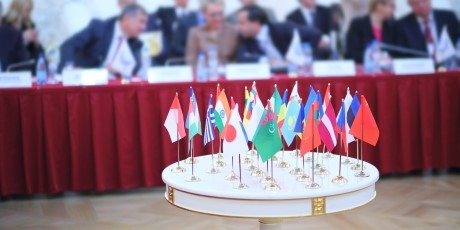
On 5 March, the International Centre for Trade and Sustainable Development (ICTSD) in collaboration with Oxford University’s Global Economic Governance Programme (GEG) hosted an event in Geneva to discuss challenges and issues in intellectual property governance.

Redesign Of Ebola Treatment Units Draws 1500 Innovations, Including Locally

KAMPALA, UGANDA - In light of the persistence of the Ebola outbreak and the demands it has placed on global infection containment resources and processes, the United States government disaster response community recognised an opportunity to use open innovation to make significant strides in advancing the ability to combat Ebola. The results include a local success story.

UN Human Rights Council Debates Report Criticising Copyright

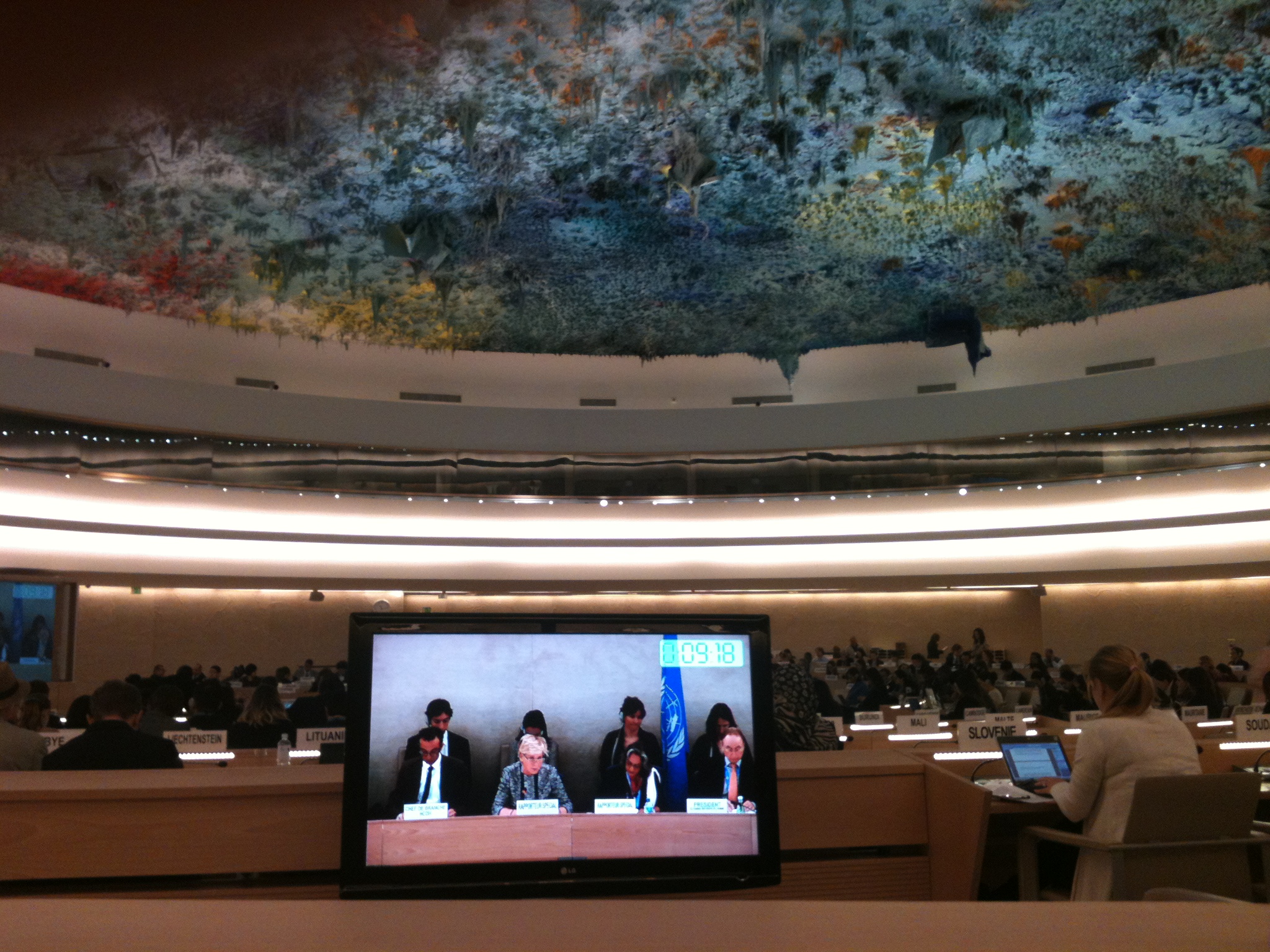
Copyright might run counter to human rights, says a new report from the United Nations Special Rapporteur in the field of cultural rights. In the report, she provides a number of recommendations, including encouraging UN World Intellectual Property Organization members to support the adoption of international instruments on limitations and exceptions to copyright. The report is under consideration by the Human Rights Council and was debated extensively today.

In TPP, USTR Seeks To Boost Criminal Remedies Against IP Infringement

United States trade negotiators are seeking to set a "new regional standard" against intellectual property infringement in the Pacific region with the Trans-Pacific Partnership (TPP) agreement. And among the new tools it is seeking is to boost governments' ability to criminalise IP infringement based on government information as well as that of rights holders, a US trade official said this week.

NetMundial Initiative: Still Breathing

After a report by the Register's Kieren McCarthy on a postponement of the inaugural meeting of the NetMundial Initiative (NMI) Council discussions were revived over the need for the new body in several mailing lists.

At WIPO, Experts Look At Challenges, Solutions For Successful Tech Transfer

Low levels of research and development in developing countries, human capital deficit and construction of balanced intellectual property systems were at the centre of discussions at the recent Expert Forum on Technology Transfer at the World Intellectual Property Organization.

Trade Outlook In 2015: The Race Of The Mega-Regionals

For international trade, 2015 will be “a year of work” rather than of finalisation, as Viviane Reding put it. The comment of the former European Commission vice president and Justice Commissioner focussed on the Trade in Services Agreement (TISA), as she is now the European Parliament's rapporteur for TISA. The services agreement is still sailing under the radar compared to its bigger cousins, the US-EU bilateral Transatlantic Trade and Investment Partnership (TTIP) and the Trans-Pacific Partnership Agreement (TPP). Yet “a year of work” might well describe the 2015 agenda for the mega-regional trade negotiations too. Will any of them get to the finish line? A race is on in which the United States and European Union seem to anxiously look to China's advance while fighting rising opposition at home.

Global Fund Publishes Terms Of Reference Of Equitable Access Initiative

An initiative spearheaded by the Global Fund for AIDS, Tuberculosis and Malaria to ensure equitable access to medicines in particular in middle-income countries now has a dedicated webpage publishing the terms of reference of the initiative. Also available is the list of high-level participants who attended the first meeting of the initiative held last week.

Why The Request By Least Developed Countries For An Extension Of The Transitional Period For Granting And Enforcing Medicines Patents Needs To Be Supported

Ellen 't Hoen writes: On 24 February 2015 Bangladesh on behalf of the 34 Least Developed Country members (LDCs) of the World Trade Organization (WTO) submitted a request for an extension of the transitional period under article 66.1 TRIPS with respect to pharmaceutical products until the country is no longer classified as LDC.[1] The original extension, set to expire on 1st January 2016, specifically removes the obligation for LDCs to comply with Section 5 (Patents) and Section 7 (Protection of Undisclosed Information) of Part II of TRIPS, including any obligation to enforce rights under these provisions.

It is a little known fact that since the adoption of the 2001 Doha Declaration on TRIPS and Public Health, LDCs have frequently used the extension in day-to-day procurement of low cost generic medicines, in particular to access medicines needed for the treatment of HIV.