Category Technical Cooperation/ Technology Transfer

Initiative Aims At Using New Technologies To Reinvigorate International Trade
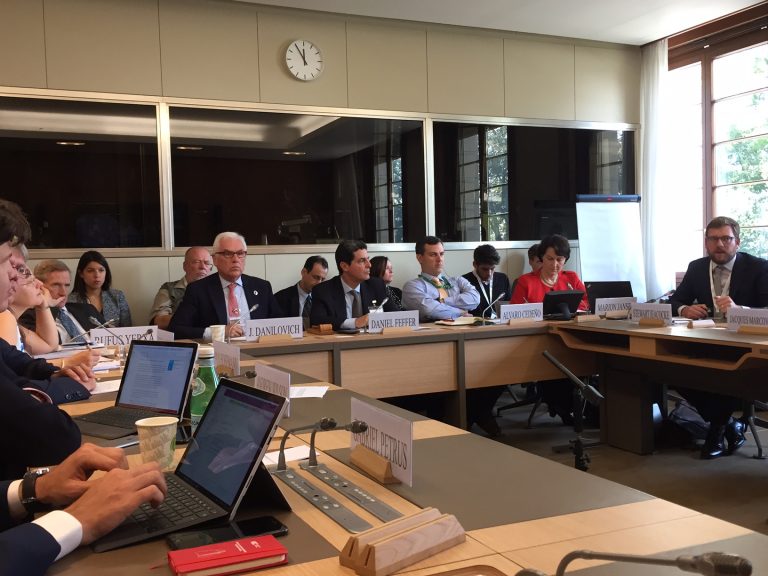
As protectionism tempts some, the International Chamber of Commerce Brazil is launching an initiative to bring new technologies to the rescue of international trade. The new digital age holds promise and is inevitable, but requires solid policymaking and improvement in such areas as education and broadband coverage to deliver on its possibilities, panellists at the World Trade Organization Public Forum said today.
UN Technology Bank To Build IP Infrastructure In LDCs; Private Sector Funds Needed

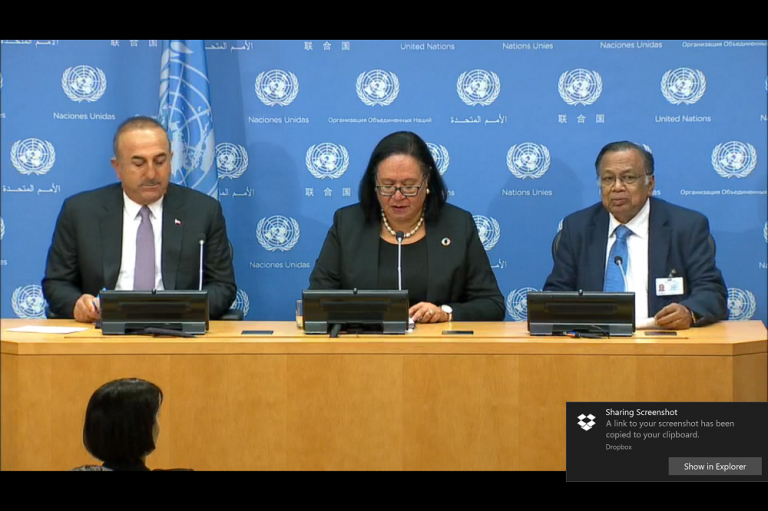
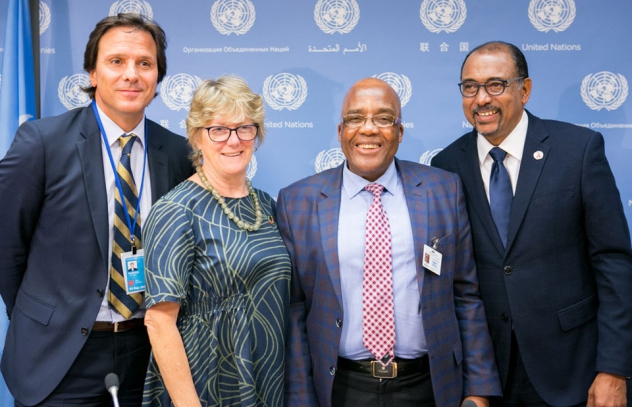
NEW YORK -- A new United Nations Technology Bank for least-developed countries aimed at growing technology transfer and intellectual property infrastructure across the 48 poorest nations became operational at last week’s annual UN General Assembly in New York. The bank’s creation represents the first target of the 2030 UN Sustainable Development Goals to be achieved.

Unitaid Official Explains How ‘Breakthrough’ HIV Medicine Pricing Deal Brings Best To The Neediest

NEW YORK -- In the midst of the high-level meetings of the annual United Nations General Assembly last week, health officials from the UN and foundations announced what they called a breakthrough pricing agreement that will speed the availability of "the first affordable, generic, single-pill HIV treatment regimen containing [the key compound] dolutegravir to public sector purchasers in low- and middle-income countries at around $75 per person, per year." A senior official at Unitaid, the drug purchasing mechanism that helped reach the deal, explained to Intellectual Property Watch how it came about and why this is significant.

Panel Advances Key Public Interest Issues In Gene Editing Technology

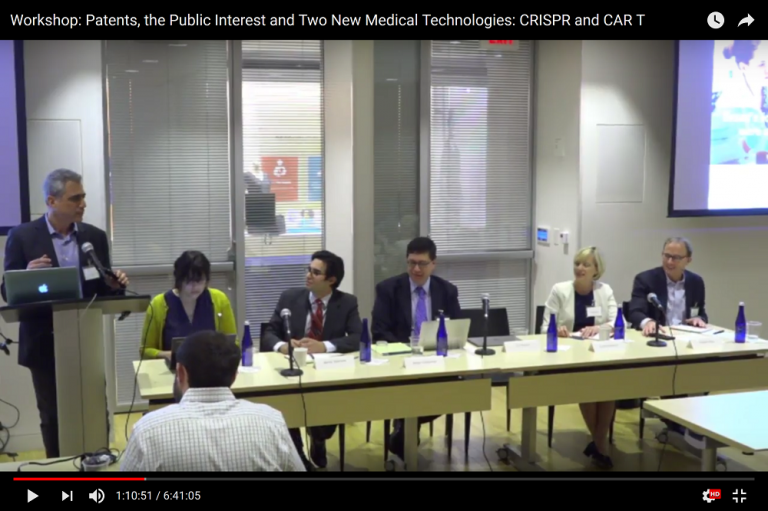
WASHINGTON, DC -- The still-emerging breakthrough CRISPR gene editing tool has the potential to transform the field and do enormous good for humankind. But let’s make sure we understand it better and ensure the public interest before launching into using it too widely. Meanwhile, companies and researchers are actively licensing the technology. That was a message of a set of panellists working close to CRISPR’s development, speaking at a recent event in Washington, DC.

UN Assembly Tackles Role Of Technology And Innovation In Sustainable Development

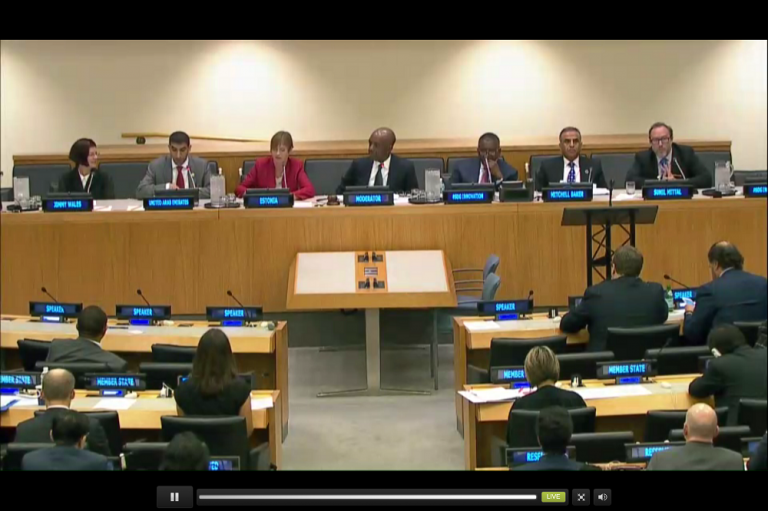
Governments and the private sector must work more closely together in the area of technology and innovation to make the United Nations Sustainable Development Goals (SDGs) a reality by 2030, government and major tech company officials said at today’s UN high-level event in New York. Today’s development problems won’t be solved with yesterday’s solutions but by all stakeholders – governments, civil society, youth, businesses and academia – working together, said General Assembly President Miroslav Lajčák. Everyone must have “fair access to technologies and innovations” and to training, he said.

New WIPO External Offices: Candidates At The Door, But What’s In It For WIPO?

For the last two years, World Intellectual Property Organization delegates have been trying to tackle a seemingly unsolvable equation: too many candidate countries for four new WIPO external offices. Yet more time seems necessary to reduce the number of candidates, which show no sign of stepping down, insisting on the value of a WIPO external office. However, some doubts have begun to arise over the benefits of the expansion of WIPO's network of field offices.

New Study Looks At IP And The Rise Of Mega-Regional Agreements

A substantive new study with contributions from a range of leading thinkers in the field of intellectual property rights delves into the history and future of mega-regional trade agreements and the evolution of IP rights.

CSIS Report Finds Tech, Innovation Partnership Opportunities In Developing Countries

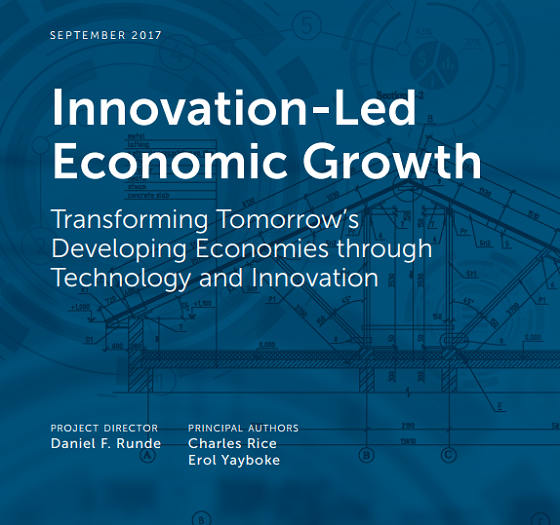
"There are clear opportunities to accelerate and expand opportunity through innovation and technology around the world," finds a new report from the Washington, DC-based Center for Strategic and International Studies (CSIS). And the United States - and any other developed country - would do well to position itself as a "partner of choice for developing countries that want to transform their economies through science, technology and innovation," it said. But strong intellectual property rights and a business-friendly environment are a necessity, it argues.

Between Human Rights And IP: An Interview With Laurence Helfer, Co-Author Of Guide To Marrakesh Treaty Implementation

When in 2013, in Marrakesh, Morocco, a new World Intellectual Property Organization treaty establishing exceptions and limitations for people with visual impairment was adopted, it was hailed by some as a miracle. Entered into force in 2016, the way states implement the treaty is of major importance for the World Blind Union (WBU) so that the treaty serves its purpose to expand access to books for visually impaired people. Laurence Helfer is co-author of a Guide: The World Blind Union Guide to the Marrakesh Treaty: Facilitating Access to Books for Print-Disabled Individuals. Alongside the recent session of the United Nations Committee on the Rights of Persons with Disabilities, he sat down with Intellectual Property Watch Senior Writer Catherine Saez to explain the main aims and messages of the Guide.

New Guide Shows How Best To Implement Marrakesh Treaty So Books Are Accessible To Visually Impaired

The World Blind Union (WBU) has recently issued a guide to the World Intellectual Property Organization treaty providing copyright exceptions for visually impaired people. If the treaty was hailed by all, the way it is implemented could be a gamechanger, and the WBU provides advice to all stakeholders, and in particular governments, so that the treaty is interpreted and implemented to the best interest of the visually impaired. The union also warns against the implementation of two optional provisions, which they say could run counter to the aims of the treaty.