Category Themes

Licensing Experts Share Experiences At WIPO

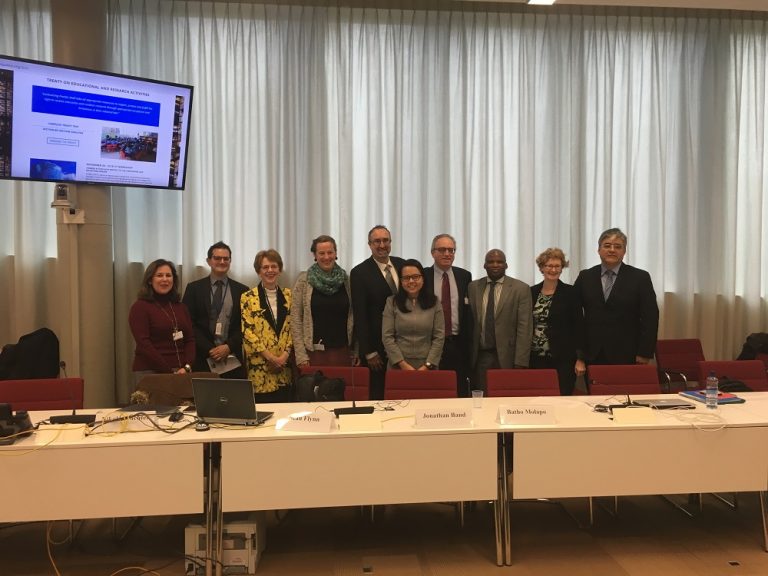
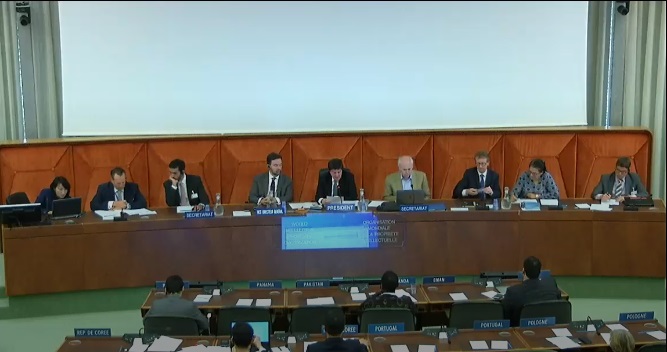
Voluntary licences are cited by some as the best way to facilitate access to medicines. Terms of the licences are important, many factors have to be taken into consideration, and the earlier the better, as explained by licencing experts at the World Intellectual Property Organization this week.

Report: Core Copyright Industries Add $1.3 Trillion To US Economy

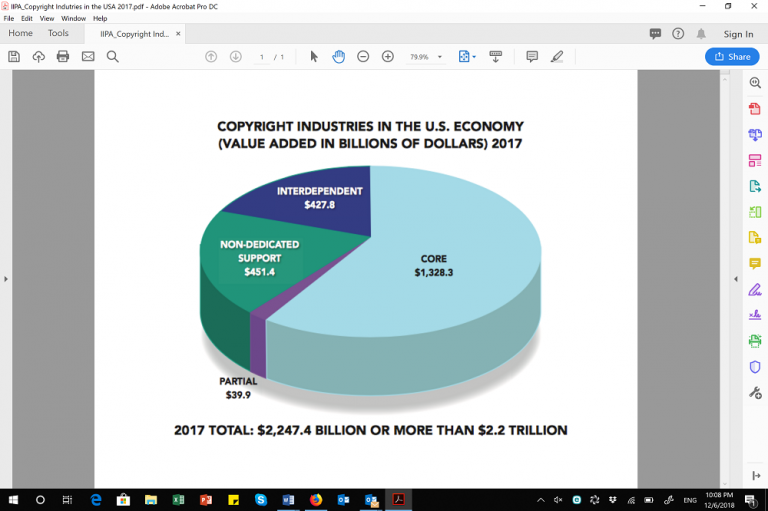
Core copyright industries have contributed more than $1.3 trillion to US gross domestic product (GDP) in 2017, and accounted for 6.85% of the US economy. They employed nearly 5.7 million workers in 2017, accounting for 3.85% of the entire US workforce, or 4.54% of total private employment in the United States, according to the International Intellectual Property Alliance (IIPA)'s “Copyright Industries in the U.S. Economy: The 2018 Report.”

OECD Report Presents Policies To Balance Innovation With Access To Medicines

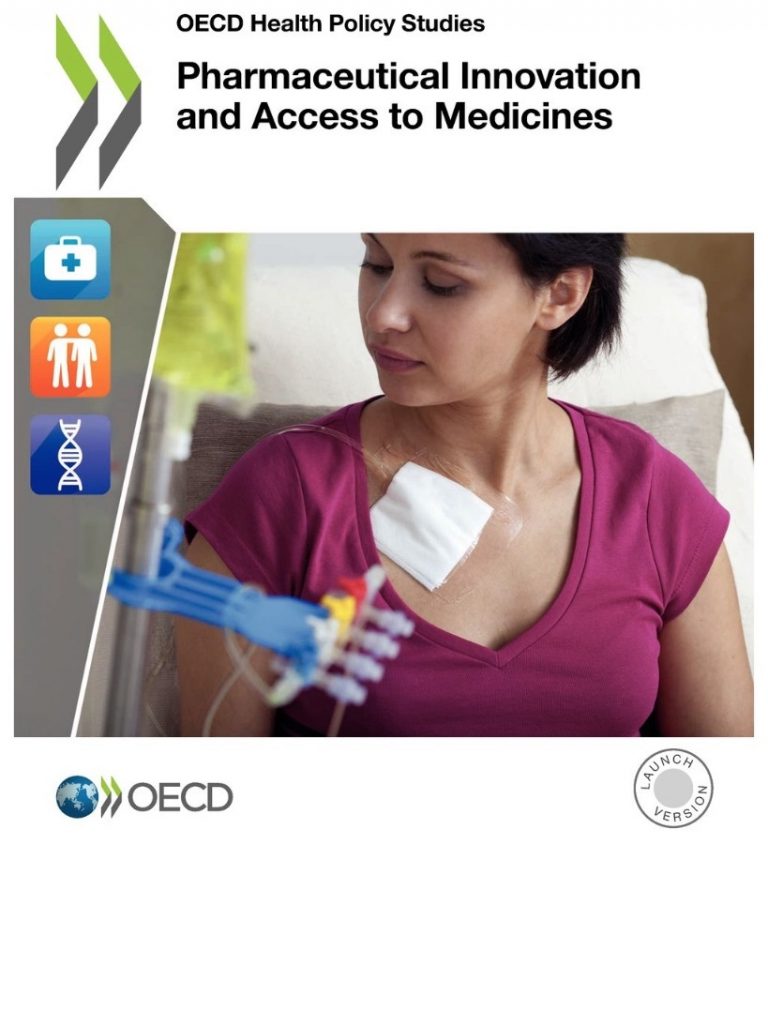
The Organisation for Economic Cooperation and Development (OECD) has released a new report that presents policy options for countries to strike a better balance between promoting financial incentives for pharmaceutical innovation and ensuring affordable access to medicines. Finding this balance, the report explains, will be essential for ensuring the sustainability of health systems.

Transparency Of Patent Status Key For Health Actors: Databases Presented At WIPO

Information on the status of patents can be key for medicines procurement agencies seeking to know if they can source cheaper generic products. Several databases providing free information on patent status were presented yesterday at the World Intellectual Property Organization. The World Health Organization, also invited, hailed the efforts, but warned against listing follow-on patents, which could confuse procurement professionals. And a prominent molecular biologist, chief executive of a patents-and-scholarly database, called for breaking silos to advance innovation.

Promoting Education Rights In South African Copyright Reform

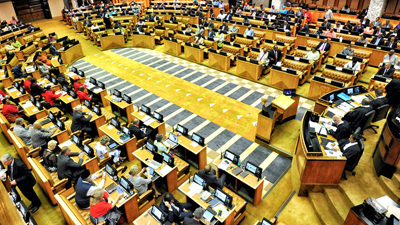
Eve Gray and Desmond Oriakhogba write: The publishing industry is making a mad dash to defeat South Africa’s adoption of a fair use rights in Parliament on Wednesday. Their latest effort includes an alarmist petition being circulated among authors. It is interesting to note that, while one of the most persistent and loud complaints in these protests has been that the drafting of the new legislation was badly handled, our perception, along with a number of experienced observers in the process, has been that the level of discussion and debate; the degree of participation and engagement of government representatives; and the consensus on the needs to be addressed, was of a higher standard and the debate much better informed than in previous such attempts at reform over the past decades. It should also be noted that, while it is true that international publishers might have much to lose in the new law, local publishers, authors and students have much to gain. It is time to lower the heat and concentrate on the facts and context of what is before Parliament.

US IP Stakeholders Seek To Strengthen Public Support For IP, Ensure Future US Competitiveness

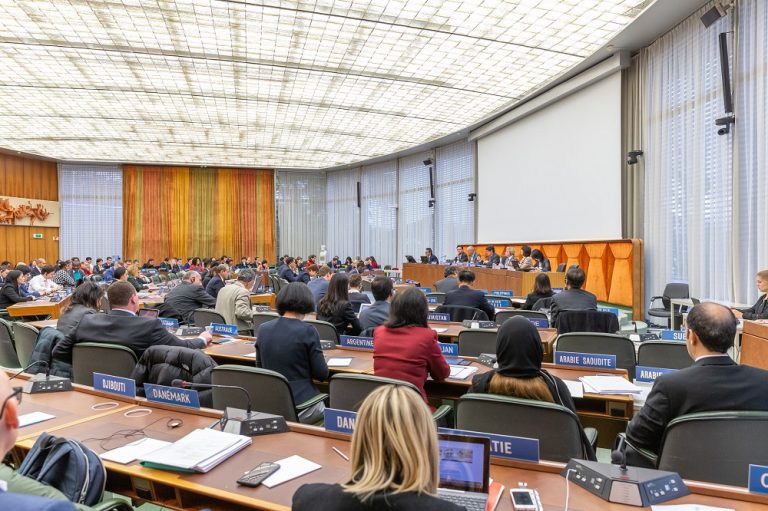
NEW YORK -- United States intellectual property stakeholders from academic, business and legal backgrounds gathered recently to discuss how to increase public support to strengthen the intellectual property rights system in the US, in light of China’s steady rise in numbers of patent and trademark filings. US IP stakeholders argued that developing public awareness and understanding of IP is key to building this support, with some holding diverging views on how to go about this.