WHO Draft Work Program To Be Presented, Discussed
The World Health Organization is presenting its draft work program for 2019-2023 for consideration by member states this week.

Original news and analysis on international IP policy
The World Health Organization is presenting its draft work program for 2019-2023 for consideration by member states this week.
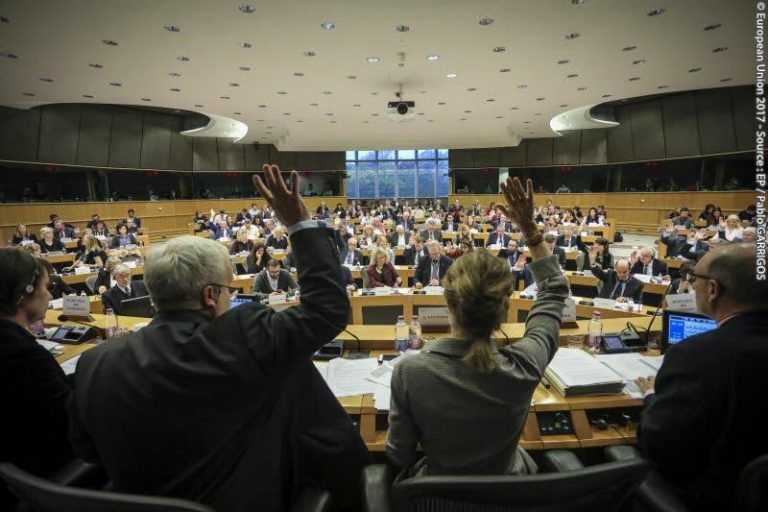
This week several committees in the European Parliament voted on a pile of copyright-related dossiers, and in some instances the steps taken were really small. But the issues include controversial aspects in the legislative drafts on copyright review, broadcasting content and digital content, such as an obligation for providers to monitor third party content, intermediary liability and website blocking.
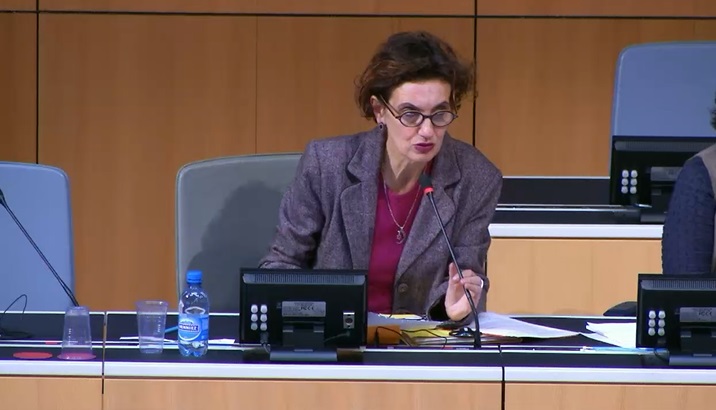
A few days after a Leonardo da Vinci painting shattered the record for the most expensive artwork ever sold at Christie’s auction house in New York, the question of resale right for visual artists was discussed at the World Intellectual Property Organization. According to researchers, the establishment of a resale right in a particular country, which benefits the artist when her work is resold at a much higher value, is likely to have no negative effects on the country’s art market. The United States and China, the two largest global art markets, have not implemented the resale right yet.
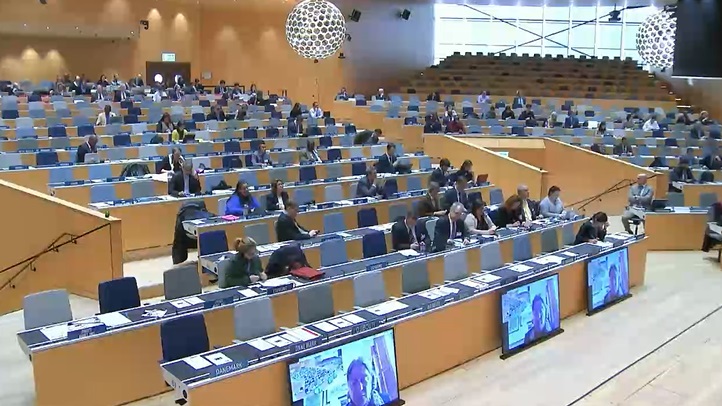
The World Intellectual Property Organization copyright committee last week sent back to the drawing board draft action plans provided by the secretariat on exceptions and limitations to copyright for specific actors such as educational institutions and libraries. Meanwhile, discussions on the rights of broadcasting organisations against signal theft and piracy are expected to give way to a new text on specific topics, to be produced by the end of the month, while topics such as the resale right did not make it to standing agenda items but remain on list of items to be discussed in the spring.
As a consequence of the decision of the United Kingdom to go its separate way, the remaining European Union member states decided yesterday that the European Medicines Agency should move to Amsterdam by the end of March 2019.
The World Intellectual Property Organization program on intellectual property and environmental technology is looking for consultants to catalyze green tech transactions in the Asia-Pacific region.
The Office of the United States Trade Representative (USTR) has issued a set of negotiating objectives for renegotiating the 1994 North American Free Trade Agreement (NAFTA) that include its hopes for elevating intellectual property in the trade deal. Included in the list: force Canada and Mexico to ratify international treaties, accept US law on IP protection and create conditions for "strong" IP enforcement especially online, and ensure ample protection for products with generic names. Perhaps oddly, there is only one mention of trade, which includes respect for a 2001 text at the World Trade Organization on IP and public health.
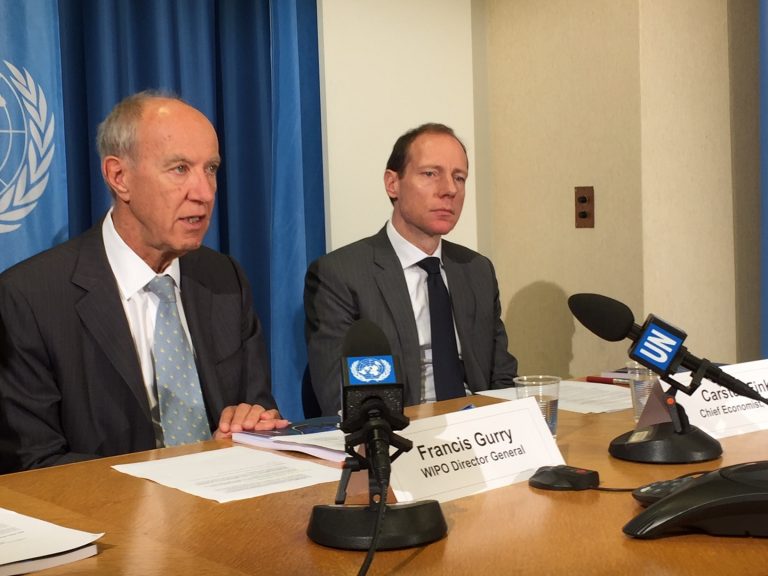
A World Intellectual Property Organization report released today shows the growing global importance of intangible capital and its share in the value of end products. The report does not however provide a geographical repartition of this value, nor who actually owns the returns on intangible capital. Three case studies shed light on different production areas: coffee, smart phones, and solar panels.
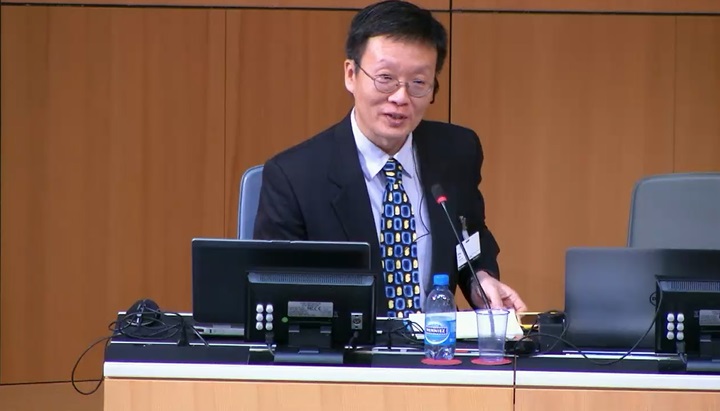
With no consensus on conducting normative work at the World Intellectual Property Organization on the limitations to copyright for certain actors such as persons with disabilities, educational institutions, and museums, the committee on copyright had agreed on several studies so the issues are better understood. This week, several of those studies were presented to the committee and shed some further light on the issues.
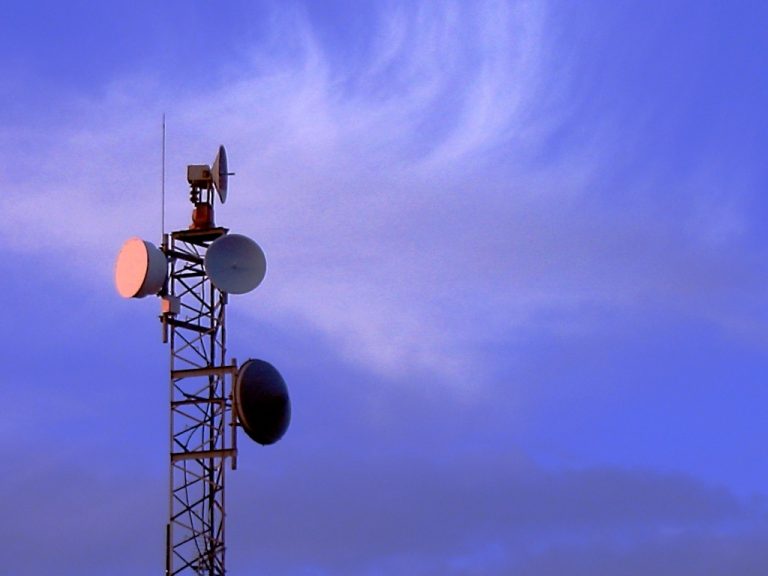
While World Intellectual Property Organization delegates held informal closed consultations at the beginning of this week on a potential treaty protecting rights of broadcasting organisations from signal theft and piracy, a group of Latin American countries has proposed language on limitations and exceptions to these rights.

Trade ministers negotiating the Trans-Pacific Partnership agreement have released the list of provisions they have suspended, including a range of articles related to intellectual property rights, such as patentable subject matter, test data protection, biologics, copyright terms of protection, and technological protection measures.
It’s hard to escape the watchful eye of the internet – it will follow you through life. But if something put on the internet about you is wrong, misrepresents you or even endangers you, should you have a right to…