Category Themes

Innovations For All: Swiss-Led Panel Looks At What Works, What Doesn’t

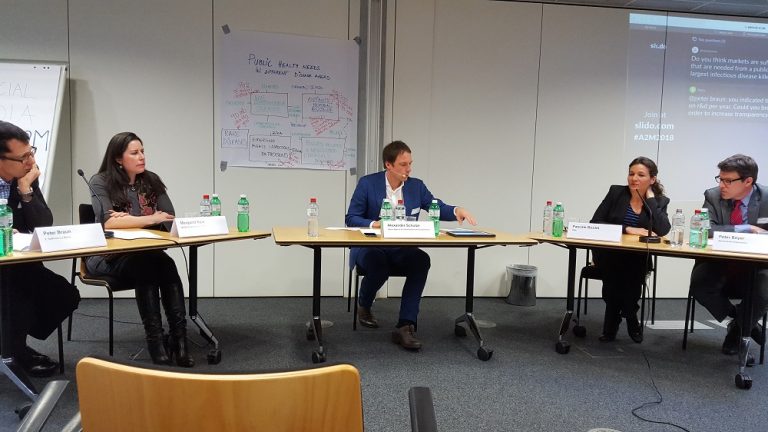
The current innovation system has yielded many important innovations and extended human life, nobody disputes this. But what about the cases where it hasn’t and a problem persists? A panel of health experts organised recently by the Swiss government and including representatives of the pharmaceutical industry, the World Health Organization, academia, and a research institution held an unusually open and positive discussion that sought to get underneath the issue.

Do We Need A Global Body To Set Priorities For Diseases And Research?

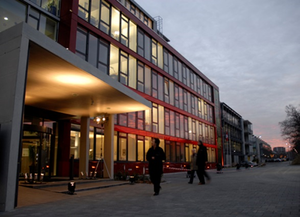
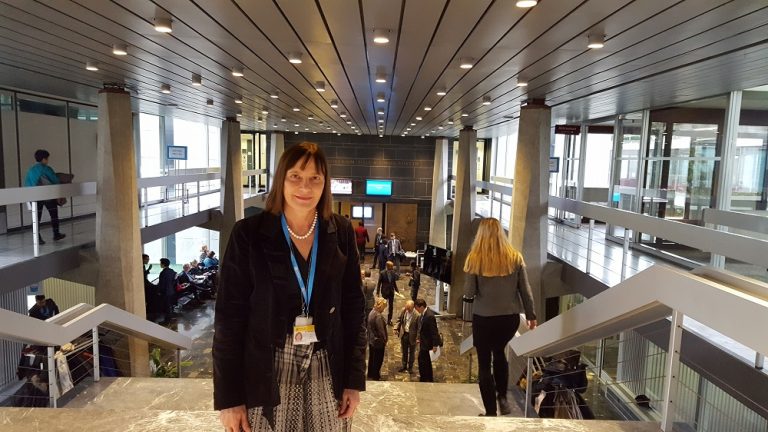
A recent panel of health experts gathered at the hallowed Swiss Intellectual Property Institute in Bern (which counts Albert Einstein among its alumni) tackled some of the toughest questions facing global health policymakers with an eye toward actually solving them and not just restating polarised positions. One of the ideas discussed at the event was how priorities for diseases and research are handled at the global level.

Trump Budget Would Slash Funding For Health, International Organisations

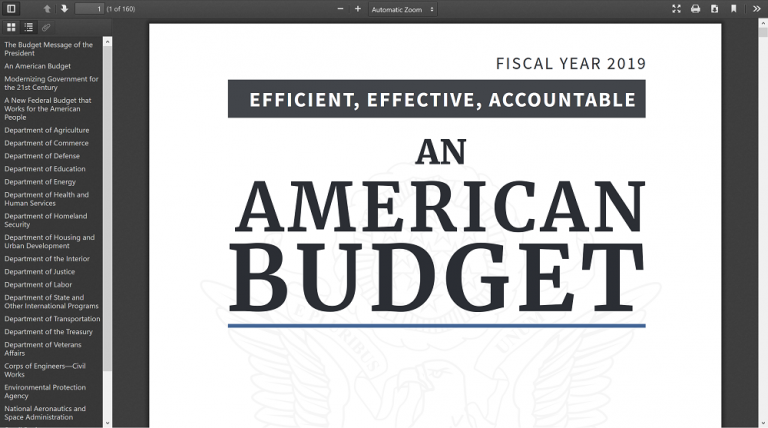
The Trump administration this week proposed drastic cuts in funding for international activities including foreign policy and global health in 2019, while further building up military and big business activities. Programs related to international activities will have to prove their value to American interests and other countries are demanded to pay more, according to the proposed budget sent yesterday to Congress, which is ultimately expected to set about the task of restoring numerous programs.

US May Extend Its Patent Damages Worldwide

On January 12, the US Supreme Court agreed to hear a case that could produce a major change in US patent law, with effects reaching far beyond America’s borders. At issue in WesternGeco LLC v. ION Geophysical Corp. is whether and when a US patent owner can collect infringement damages on a global basis.

US Industry Index Makes Case For Strong IP Protection Worldwide

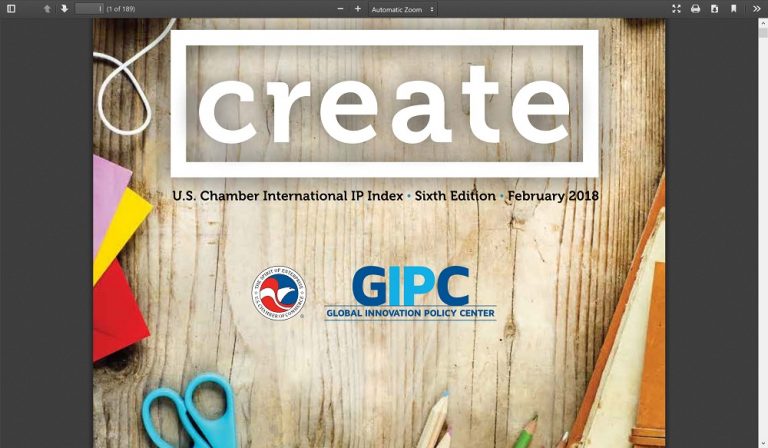
The United States Chamber of Commerce sixth annual International IP Index, released yesterday, highlights positive developments in 50 economies to better protect intellectual property rights so as to reward creativity and innovation. But it also takes aim at practices the US industry group still sees as counterproductive.

On IPR, Major US Trading Partners In Firing Line Of US Industry, While Cancer Patients Ask For Access

Every year at this time, the Office of the United States Trade Representative collects comments from stakeholders for its review of how well US trading partners are behaving when it comes to protecting and enforcing the intellectual property rights of US companies. Pharmaceutical companies and an alliance of rights holding industries came prepared with a list of countries to be put on special watch lists, including Canada, Brazil, India, Malaysia, and Switzerland. A patient group, on the other hand, asked that trade interests not supersede access to medicines worldwide.

Leadership And Change: An Interview With Medicines Patent Pool Board Chair Marie-Paule Kieny

The unexpected announcement in December of the resignation of the Medicines Patent Pool executive director left the Pool searching for its new head. Marie-Paule Kieny, former World Health Organization assistant director general, now chair of the MPP governance board stepped in to oversee the MPP while the search goes on. She sat down recently for an interview with Intellectual Property Watch to explain that MPP is conducting business as usual, and is keeping firm in its plan to release the results of a feasibility study analysing the possibility for MPP to extend its licensing activities to other essential medicines still under patent.

WHO Director Presents The Press With Progress Report, Answers Tough Questions

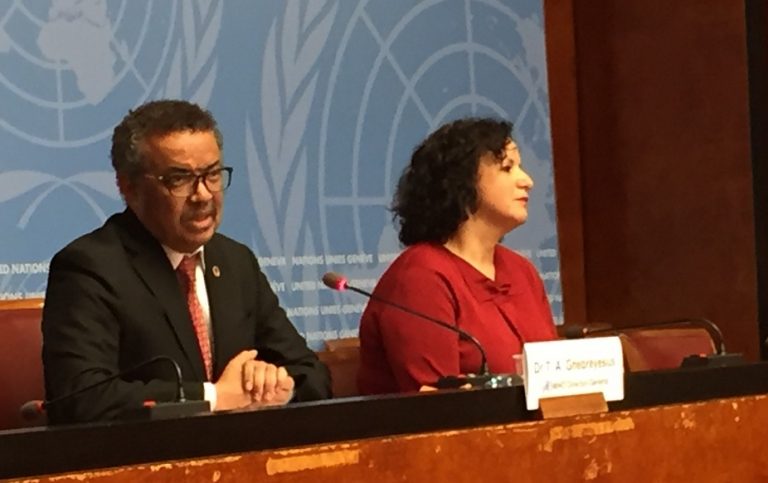
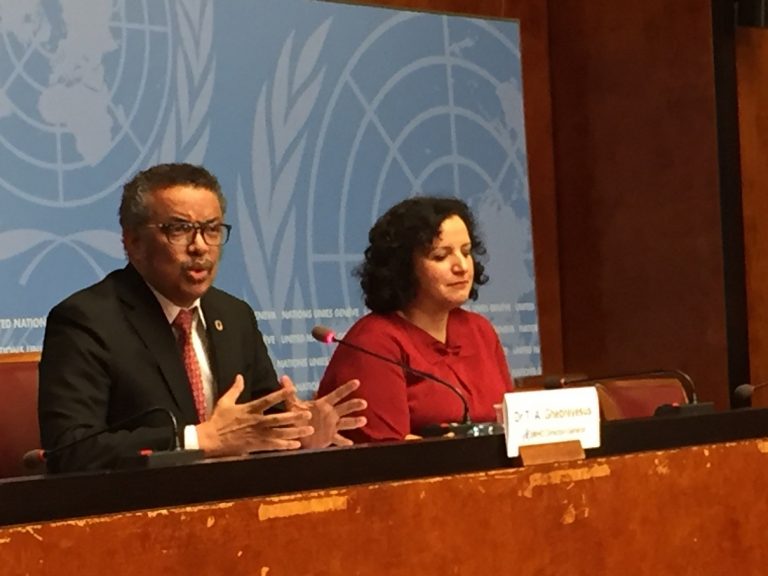
Following a promise made at the beginning of his tenure to meet with the press regularly, World Health Organization Director General Tedros Adhanom Ghebreyesus (Dr Tedros) held a press conference today to paint a picture of what has been done under his leadership for the last seven months. He highlighted the establishment of the WHO General Programme of Work for 2019-2023, the quest for a new resource mobilisation strategy, measures taken on emergencies, and the push for universal health coverage. He also answered questions about the WHO nomination of President Mugabe that was cut short, and an appointment in his leadership team.

A Brief Sketch Of Privilegio In The Venetian Renaissance

Gavin Keeney writes: As a type of historical morality tale, especially given arguments currently before the European Commission regarding copyright reform and “neighboring rights,” this short treatise addresses the origins of copyright in the Venetian Renaissance in the late 1400s under the aegis of privilegio, notably first granted to authors (author-publishers) versus printers (printer-publishers). Subsequently, printers as publishers would command the lion’s share of such rights to works. Arguably, Venetian privilege transferred the immemorial aspect of written works (here considered “moral rights” for works) to authors in a casual, yet emphatic manner leading to modern copyright. With contemporary copyright nominally belonging to authors, but in fact belonging by expropriation to presses and platforms, it is likely that one of the few solutions, short of benevolent presses fully sharing rights with authors, is for moral rights to return to works by way of the author renouncing copyright but refusing the arrogation of such renounced rights to presses and platforms.