Category Themes

A Look At The Role Of Governments, Universities, Science In Health Innovation & Access

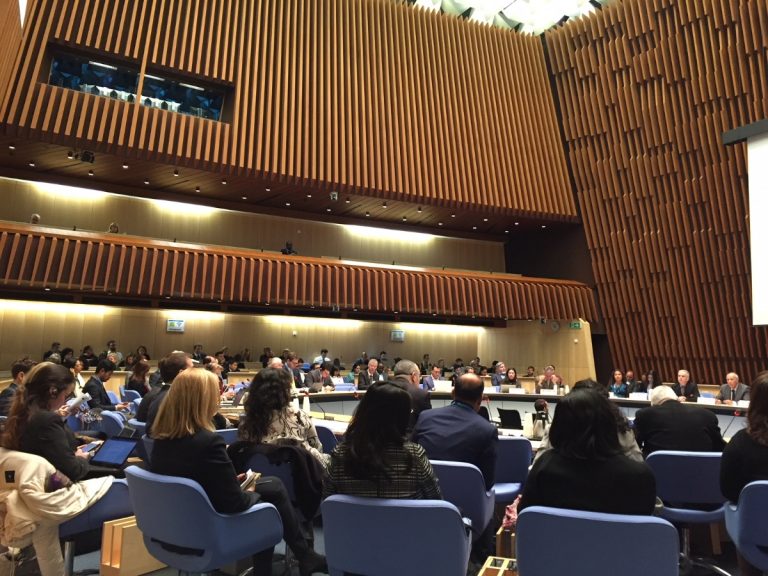
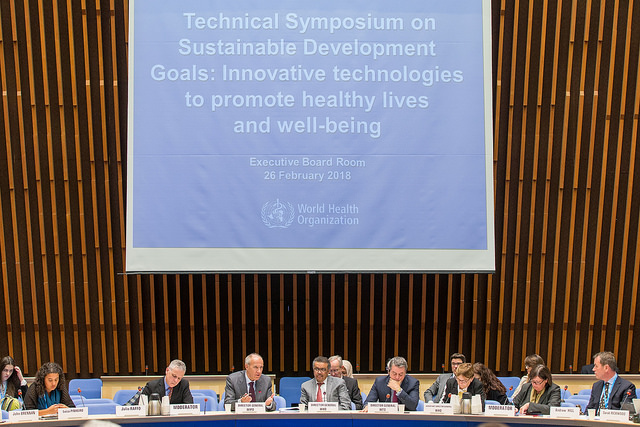
Intellectual property rights, particularly patents, are considered by some as being a barrier in access to medicines despite being a stimulus for innovation. At a recent symposium co-organised by the World Health Organization, World Trade Organization and World Intellectual Property Organization, speakers also talked about the role of science, governments, and universities in health innovation and access, and how to address challenges such as secondary patents.
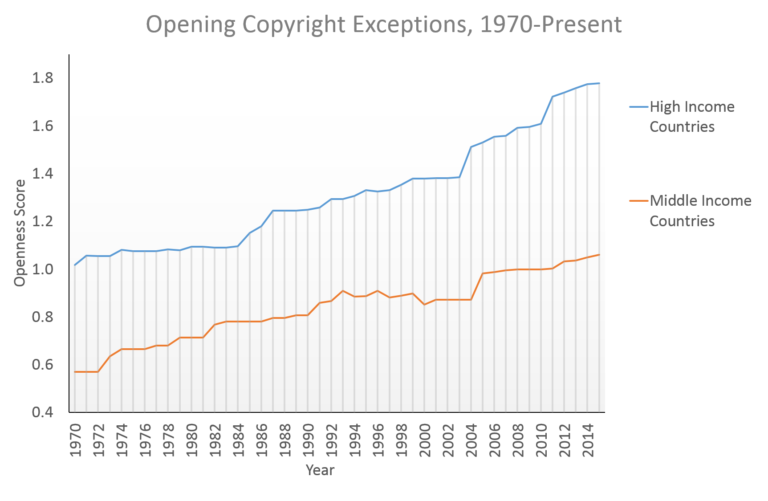
Protecting And Promoting Copyright Balance In NAFTA

The ongoing NAFTA renegotiation presents a prime opportunity to move the ball on protecting and promoting general public interest copyright exceptions. All three countries have such exceptions to varying degree. And all three are under threat from an agenda to cabin their use through international law. NAFTA negotiators can and should include the best models from prior international agreements that protect and promote the ability of countries to have general exceptions, writes Professor Sean Flynn.

Medicines Vastly Overpriced, Generics Too: Discussion At WTO-WIPO-WHO Symposium

The price of hepatitis C medicine marked a turning point in the discussion on access to medicines, with developed countries suddenly confronted to prices they could not afford. This week, a symposium jointly organised by the World Health Organization, the World Trade Organization, and the World Intellectual Property Organization explored the question of the pricing of medicines. A number of suggestions were made to alleviate the issue, such as ensuring wide use of generic medicines, encouraging competition, and alerting countries about the cost of medicine production so they negotiate better with pharmaceutical companies.

Video Gaming Industry Issues Attack On WHO’s Proposed Gaming Disorder Classification

Teens' (and others') life-altering obsession with video gaming is well-known to almost any parent in most countries around the world, and the World Health Organization recently identified it as an addiction called "gaming disorder." Today, the self-acclaimed $36 billion video gaming industry hit back with a statement about a new paper from "preeminent researchers and scientists" that it says casts doubt on the WHO's efforts.

WTO TRIPS Council Looks At IP And The Public Interest, Importance Of Research Exemption

A relatively new topic of discussion at the World Trade Organization committee on intellectual property is the relationship between intellectual property and the public interest. This week, WTO delegates discussed the application and benefits of a regulatory exception to IP rights allowing earlier entry of generics to the market, known as the Bolar exception. The committee also heard about a request from least-developed countries (LDCs) to improve technology transfer measures that developed countries have the obligation to provide under WTO rules.

Academies’ Group Urges EU Harmonisation Of Rules On Inventorship, Patenting

A high-level group of academic experts in intellectual property rights and innovation in the European Union has released a statement highlighting the rise in inventions due to international research and development and says EU regulations on inventorship, assignment and patent filing should be assessed for harmonisation and reducing complexity.

WTO TRIPS Council: For Some, IP-Intensive Industries Are Engine Of Economy. For Others, IP Alone Is Not Sufficient

The World Trade Organization committee on intellectual property met this week and gave an opportunity to WTO members to discuss the value of intellectual property for micro, small and medium sized enterprises (MSMEs), and its importance for IP-intensive industries. Several members, such as the European Union on behalf of its members presented data to illustrate the importance of IP for MSMEs. Meanwhile, India and South Africa remarked that IP is only one factor to promote innovation, but are not a sufficient ingredient.

Section 1201 Rulemaking – The Process Is Moving Along

Dave Davis writes: Section 1201 is a curious little section of the US Copyright Act, added by the Digital Millennium Copyright Act (DMCA) of 1998. But the matter covered in that section is of great importance in our digital age and, due to its triennial rulemaking requirement, ‘1201’ exceptions are a topic of considerable discussion every few years. As it turns out, 2018 is one of those years.