Category Themes

EPO Patent Filings Still Climbing: US Top Source Overall, Swiss Top Per Capita; China Growth Slows

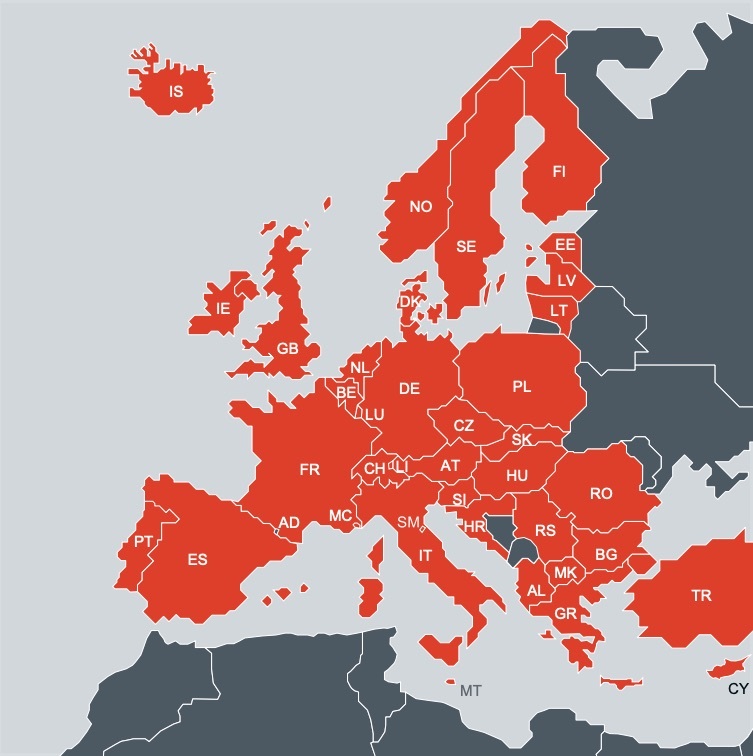
The European Patent Office continued its seemingly inexorable rise in patent applications, with almost all of its top 20 source countries showing growth in 2018. Nearly half of applications came from Europe, while the United States filed a record number and accounted for one-quarter of all applications, with a 2.7 percent increase over the previous year. Other countries saw significantly higher increases, though China’s rate of increase slowed, and Switzerland far and away filed the most patent applications per capita. Another notable statistic: the number of European patents granted rose 21 percent.


2019 Medicines For Europe Legal Affairs Conference

Advertisement: The 2019 Medicines for Europe Legal Affairs Conference will take place, for the first time, in Amsterdam. In its 15th edition, this conference will provide participants with the opportunity to exchange views and share ideas with leading industry executives and experts, counsel and European institution officials around the latest developments in intellectual property and legal affairs concerning generic, biosimilar and value added medicines within Europe and worldwide.

Innovation And Regulation Of Gene-Edited Vegetables: An Interview With IP Lawyer Chris Holly

Chris Holly is a practicing intellectual property lawyer with extensive experience helping clients leverage IP portfolios in the agriculture, food, microbiology and biotechnology industries. Intellectual Property Watch's David Branigan interviewed Holly to gain his perspective on the technological, regulatory and intellectual property considerations of next generation plant breeding techniques, in particular those that involve gene editing using CRISPR technology.

Fifa Rahman

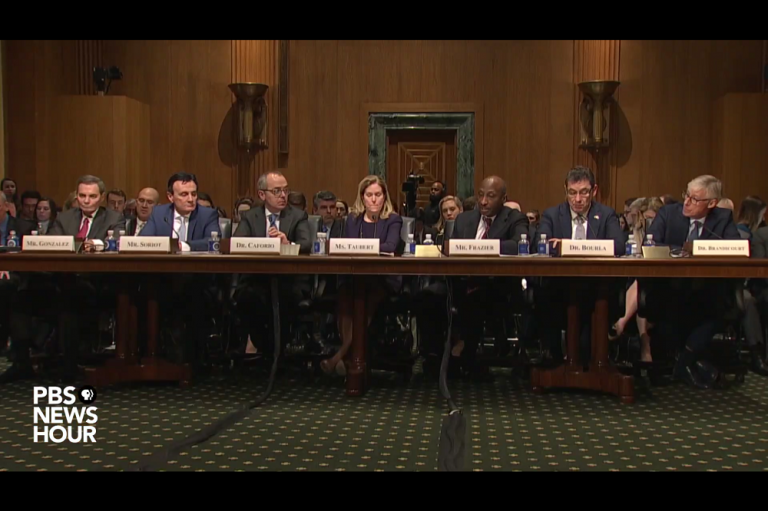
Will US Drug Pricing Politics Change Intimidation Practices Globally?

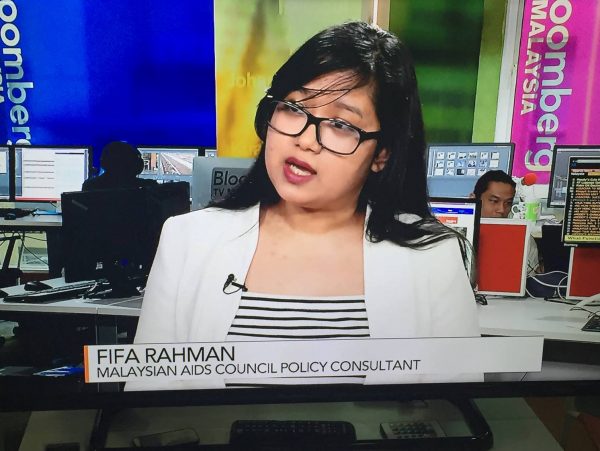
Fifa Rahman writes: The global health world, particularly as concerns skyrocketing drug prices and patent abuse, is in a unique space in time. Recently, the Office of the United States Trade Representative (USTR) has been carrying on as per usual. It has threatened the Malaysian and Colombian governments at numerous junctures to prevent them from issuing compulsory licences – a completely legal mechanism which the US uses regularly - to access generic hepatitis C drugs. The Trump Administration has sent delegations to global health agencies in Geneva to intimidate them into reducing, or hiding, work on TRIPS flexibilities and fairer drug pricing.

In US, No Remedies For Growing IP Infringements

Ubi Jus Ibi Remedium. Alas, that longstanding legal principle – where there’s a right, there’s a remedy – doesn’t apply to IP owners in the US. Thanks to several Supreme Court rulings interpreting the US Constitution, owners of patents have no recourse when their IP is infringed by US states. Copyright owners now face the same fate, unless the Supreme Court reverses a recent 4th Circuit decision.

USTR Reports On 2018, Lays Out IP Priorities For 2019; China A Main Target

The Office of the United States Trade Representative has issued its annual report on trade relations with other nations, essentially a report on progress and problems from last year and an agenda for what’s coming this year. Multilateral approaches came in for touch criticism, and on intellectual property rights, a vigorous, repeated focus is China.

Rise Of The Machines: Experts Look At AI, Robotics And The Law

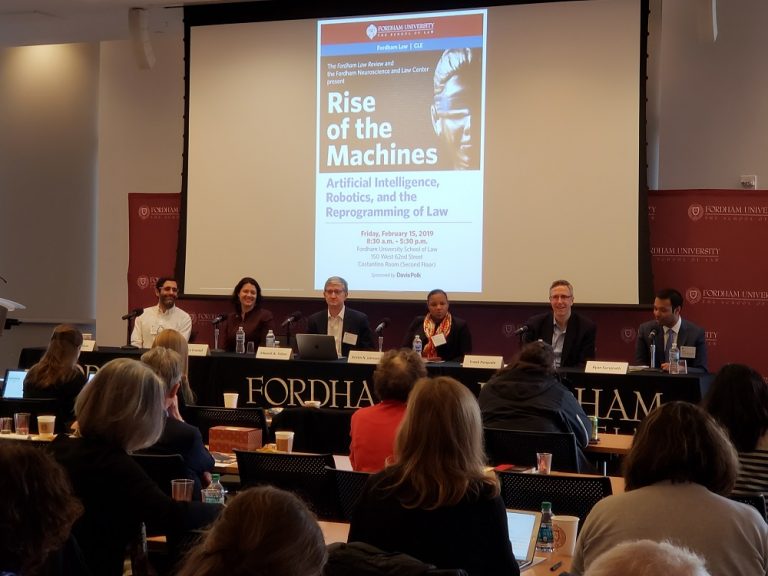
NEW YORK -- Artificial intelligence, robots, and the law, are all changing a rapid pace. A panel of experts at a recent event at Fordham Law School discussed latest developments and signs of the limits of the law when applied to AI areas like facial recognition, automated weapons systems, and financial technology.

Asian NGOs Raise Concern Over IP And Seeds In RCEP Trade Deal

The Regional Comprehensive Economic Partnership (RCEP) trade agreement under negotiation among Asia and Pacific nations must not include measures that would undercut countries' ability to protect diverse local farming systems and sustainable plant genetic resources for food and agriculture, a range of Asian nongovernmental organisations argue. Groups in India, Malaysia and the Philippines this week specifically called for the RCEP not to include the high-level protections under the International Union for the Protection of New Varieties of Plants (UPOV).

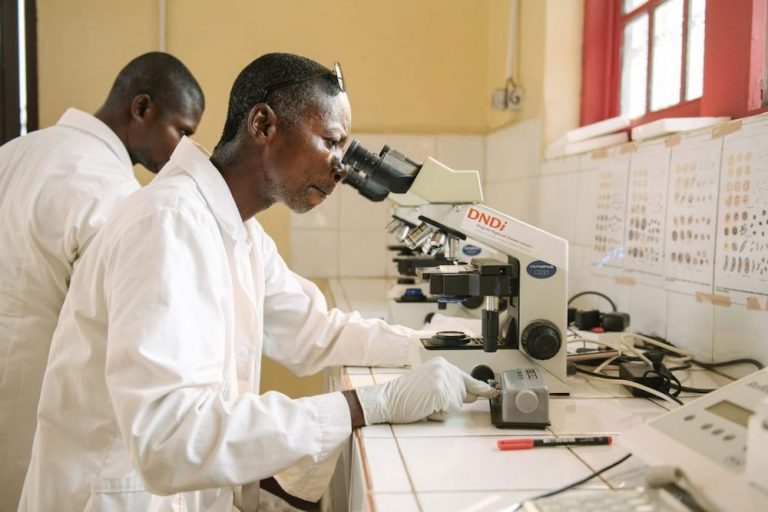
New Research Study Describes DNDi As A “Commons” For Public Health

Since 2003, Drugs for Neglected Diseases Initiative (DNDi) has worked to meet the public health needs of neglected populations by filling gaps in drug development left by the for-profit pharmaceutical industry. A new research study by the French Development Agency analysed DNDi’s unique product development partnership (PDP) model, and found that it “illustrate[s] what can be presented as a ‘commons’ within the area of public health.”