Category Themes

WIPO Members Look At Protection Of Country Names, GIs, Icons

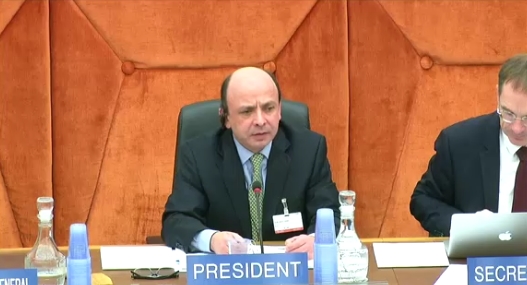
A number of countries are voicing concerns about their country name being used by trademark applicants with no relation to the country, riding on the country's reputation or geographical relevance. They are also worried about their country name being used as an internet top-level domain name. Those are among the issues being discussed this week at the World Intellectual Property Organization committee on trademarks, along with questions on the protection of geographical indications, and of icons and typeface on the internet.

WTO TRIPS Council Debates Competition Law, Plain Packaging’s Spread To Other Products

The World Trade Organization intellectual property committee met last week with lively discussions on the benefit of IP rights protection for new businesses, and on the role of competition law to prevent abuses of those rights and in particular ensure greater access to medicines. Also, considering the recent WTO Dispute Settlement Body ruling on the tobacco plain packaging, some countries warned against this decision becoming a precedent and spreading to other goods, and undermining trademark protection.

Experts Assess Coming Changes In US Courts And Patentability

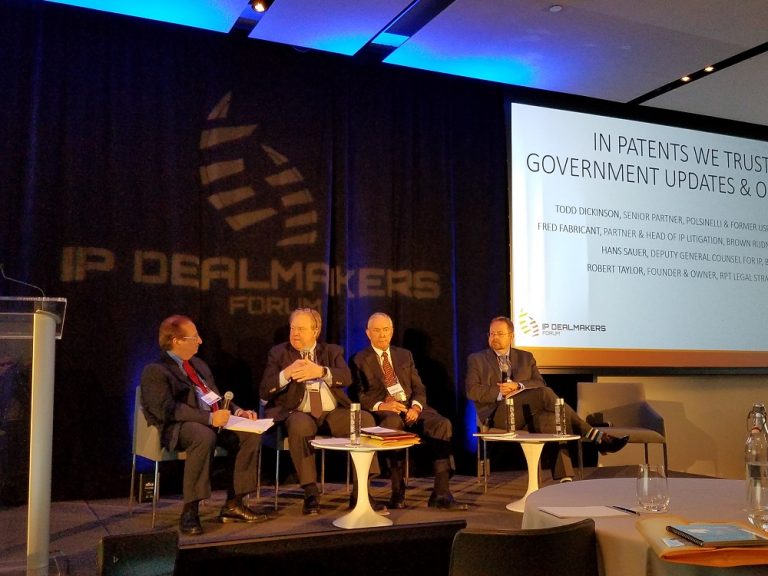
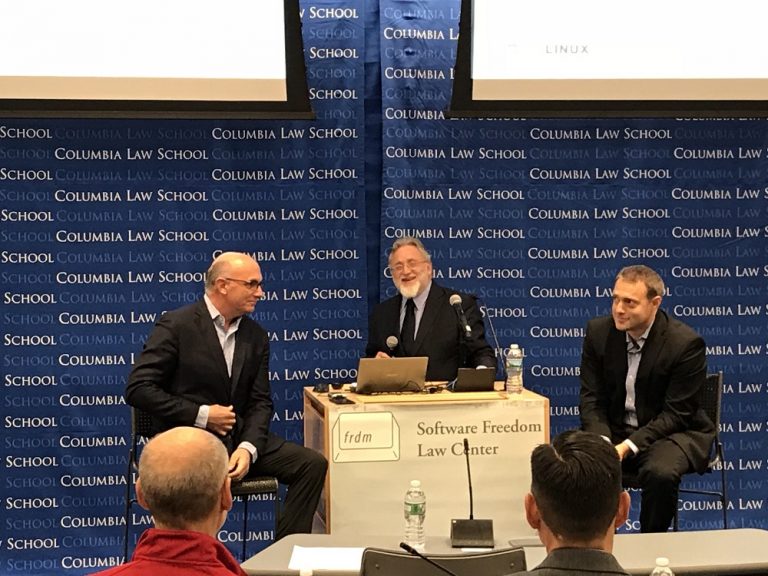
NEW YORK -- A panel of legal and government experts this week discussed trends in courts in the United States on patent cases and changes underway at the US Patent and Trademark Office. One conclusion? There may be a real shift in what is seen as patentable in the US, but it may take an act of Congress. [Note: part 1 of 2. The second part will address this week's changes in the US Congress.]

Intangible Capital Rising, IP Key For Start-Ups, Traditional Growth Model Has To Change, Panellists Say

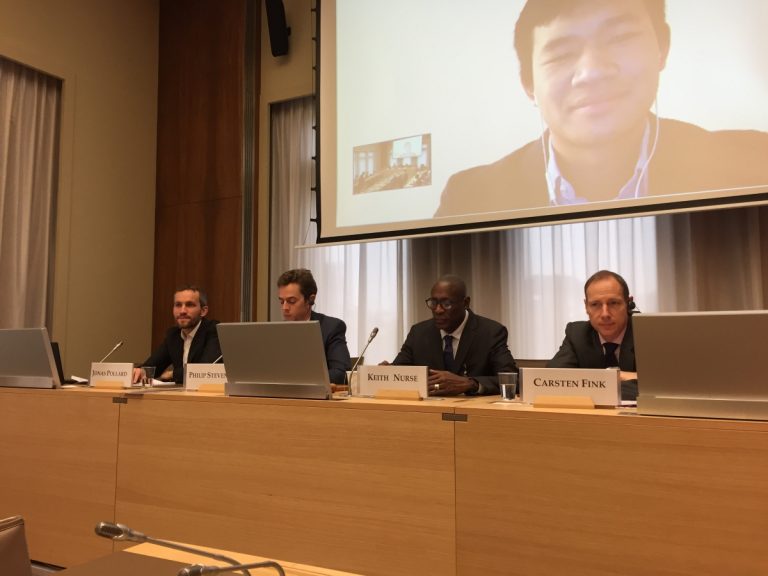
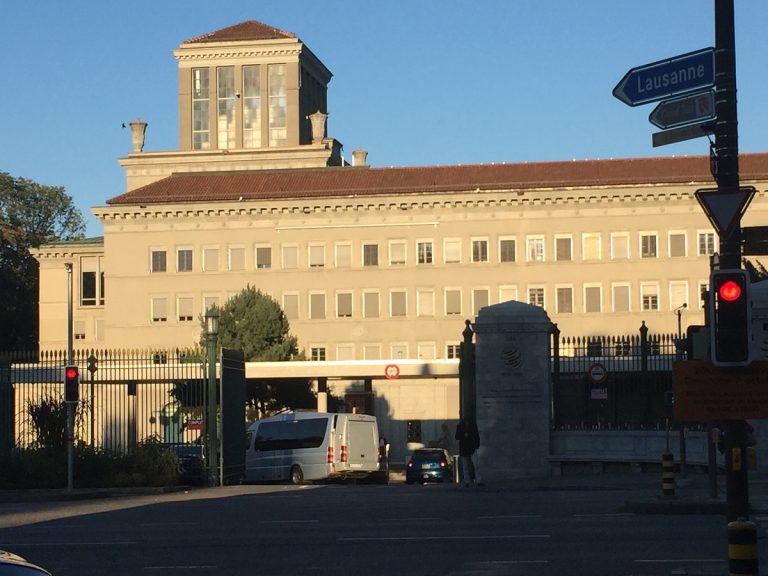
The importance of intangible capital is growing and so is the significance of intellectual property, according to some, and in particular in the new economy. Start-ups see intellectual property as an indispensable tool to attract investors and put their innovations onto the market. Developing countries still mainly stuck in what some call the "commodity trap" have to identify and exploit their intellectual property assets, according to panellists at an event held at the World Trade Organization yesterday.

New EU Directive Limits Hate Speech, Establishes European Content Quotas

A new directive adopted today by European Union member governments updates and strengthens regulations on video-sharing platforms and other newer forms of media, emphasising the public interest, elevating protections for children, and establishing a 30 percent quota of European content in on-demand audiovisual media services.

USPTO Solicitor/Deputy General Counsel Leaves For DC Law Firm

Nathan Kelley has stepped down from his role as solicitor and deputy general counsel at the United States Patent and Trademark Office (USPTO) to join the Perkins Coie law firm in Washington, DC. Kelley also had served as chief administrative patent judge in charge of the Patent Trial and Appeal Board (PTAB).

WTO TRIPS Council Agenda: IP Key For New Businesses, Competition Law To Counter Abuses

World Trade Organization intellectual property committee members gather this week for their annual autumn session. On the agenda are now-usual topics looking at intellectual property from two perspectives: IP as an indispensable tool for innovation in particular in the new economy, and IP as a potential threat to access if misused. In addition, India has put forward further questions on goods in transit to the European Union in its directive on custom enforcement of IP rights.

El mecanismo mundial multilateral de participación en los beneficios: ¿Dónde será el Bretton Woods del Siglo XXI?

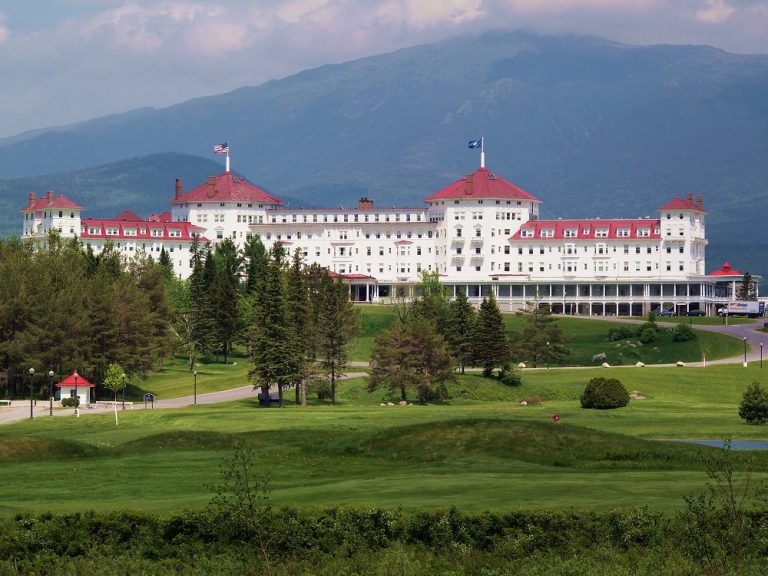
Bretton Woods es el nombre de un lugar y también de un sistema. El lugar, Bretton Woods, cuenta con el Hotel Mount Washington y vistas majestuosas de las Montañas Blancas de New Hampshire. El sistema Bretton Woods es el conjunto de normas financieras elaboradas durante una conferencia en dicho hotel que se realizó en julio de 1944 [1]. El sistema creó un orden monetario y permitió la recuperación económica en los años de la posguerra. Para los economistas, Bretton Woods representa al sistema. El éxito del mismo demuestra cómo el pensamiento económico puede penetrar la esfera política y realizar un cambio duradero. John Maynard Keynes, el Darwin de la Economía, encabezó la delegación británica.