
IP-Watch Seeks Part-Time Fundraising/Outreach Expert
Intellectual Property Watch is seeking a dynamic person to help expand our fundraising and outreach activities. [Position closed]

Original news and analysis on international IP policy
Intellectual Property Watch is seeking a dynamic person to help expand our fundraising and outreach activities. [Position closed]
“IP is a very crucial part of our business and I can’t imagine being in biotech without a very strong emphasis on intellectual property,” a biotech industry executive said during a panel organised at the World Intellectual Property Organization yesterday.
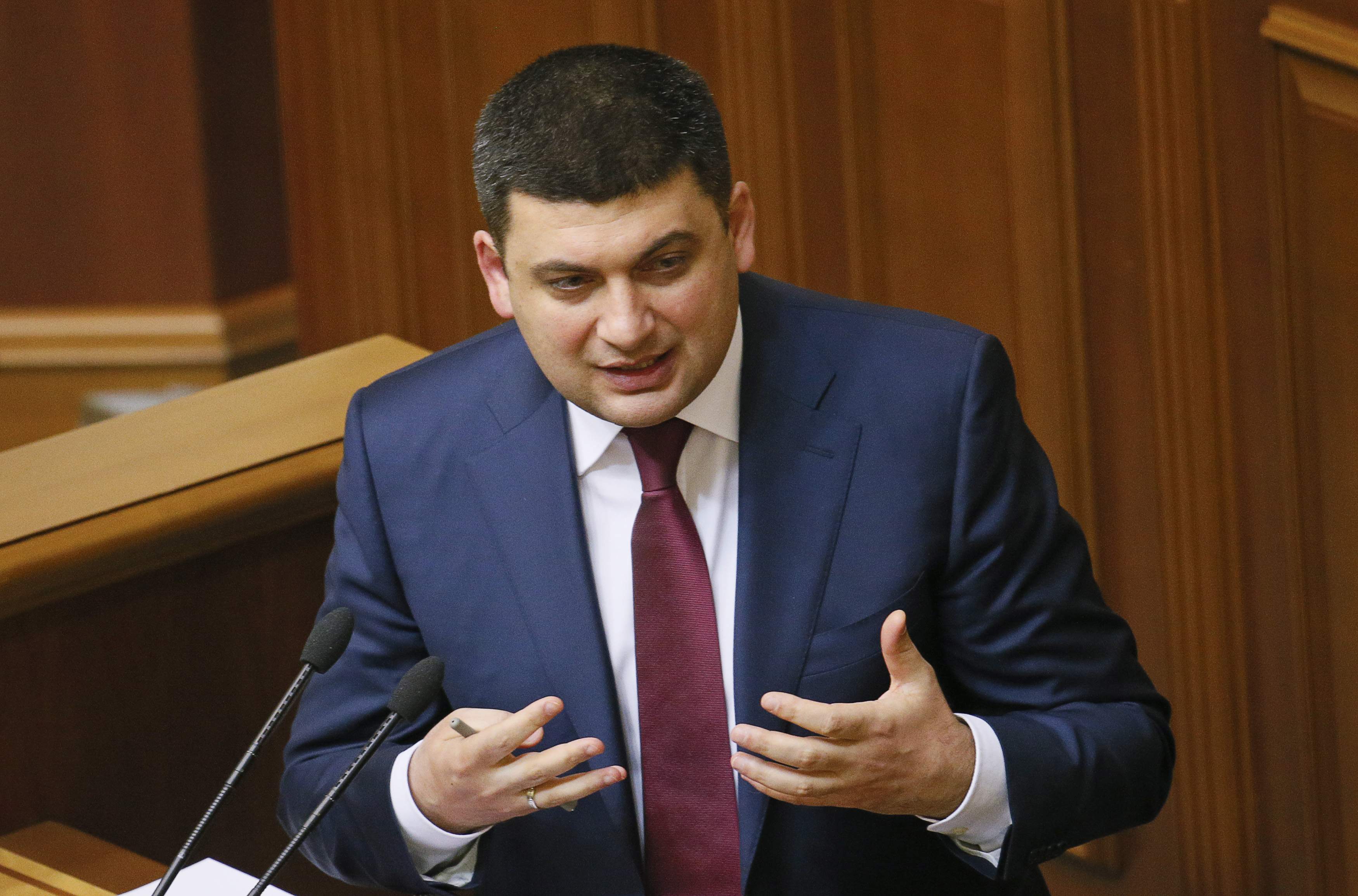
It may be an open access initiative, but Ukrainian writers and authors are on the verge of massive protests, due to a recent initiative of the Ukrainian Parliament (Verkhovna Rada) to conduct digitalisation and online publishing of all of the books and documents stored in the national archives and libraries.
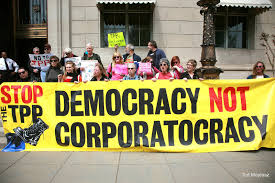
Trade ministers negotiating the Trans-Pacific Partnership (TPP) agreement meet this week in Maui, Hawaii to try to finish the deal. Along with them are numerous public interest groups strenuously lobbying to steer the deal away from single-minded corporate interest.

An international coalition of intellectual property rights defenders wrote a letter to World Intellectual Property Organization Director General Francis Gurry yesterday providing suggested international guidelines to protect IP rights.
A recent paper by public health experts argues that a treaty on ‘medicines crime’ to combat counterfeit and substandard medicines may not be the best step forward. Rather, it proposes to form an international agreement to “ensure that all proven effective and necessary medicines are affordable, available, and of assured quality,” if the goal is to protect the interests of people and public health.
A new developing country policy brief warns against use of the investor-state dispute settlement mechanism, arguing that it has a low capacity to adapt to exceptional circumstances that can afflict developing countries.

Third World Network reports: New Delhi, 20 July (K M Gopakumar) – Member States of the World Health Organization have decided to continue the negotiations on a Framework of Engagement with Non-State Actors (FENSA) as several key issues remain unresolved.
A conference on jurisdiction and dispute resolution in the age of the internet raised topical issues of concern to internet-based public policy, such as the notion of how jurisdiction and internet governance is a question of power, and an update on the International Law Association guidelines project. In addition, a debate arose as to the state of the patent system.

A new paper released earlier this month finds that the commons perspective, which embraces knowledge as a shared resource and its management a joint responsibility, could contribute to EU policy discussions and yield better policy outcomes in areas such as health, environment, science and culture, and the internet.
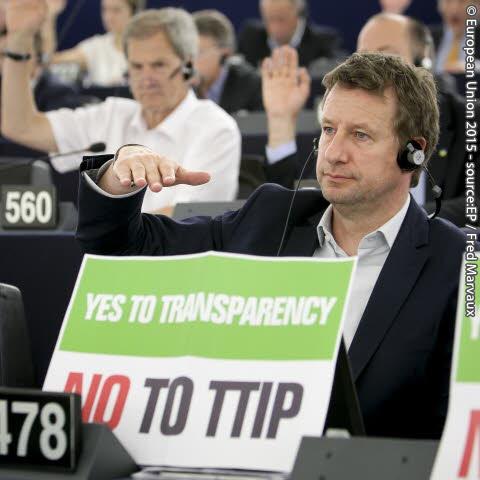
The European Parliament today voted in favour of its own mandate for the negotiations of the Transatlantic Trade and Investment Partnership, a broad free trade agreement between its 28 member states and the United States. With 436 yes versus 241 no votes (32 abstentions), the Parliament adopted a resolution that also gives green light to the hotly debated investor-state dispute settlement (ISDS), albeit a new version of it.
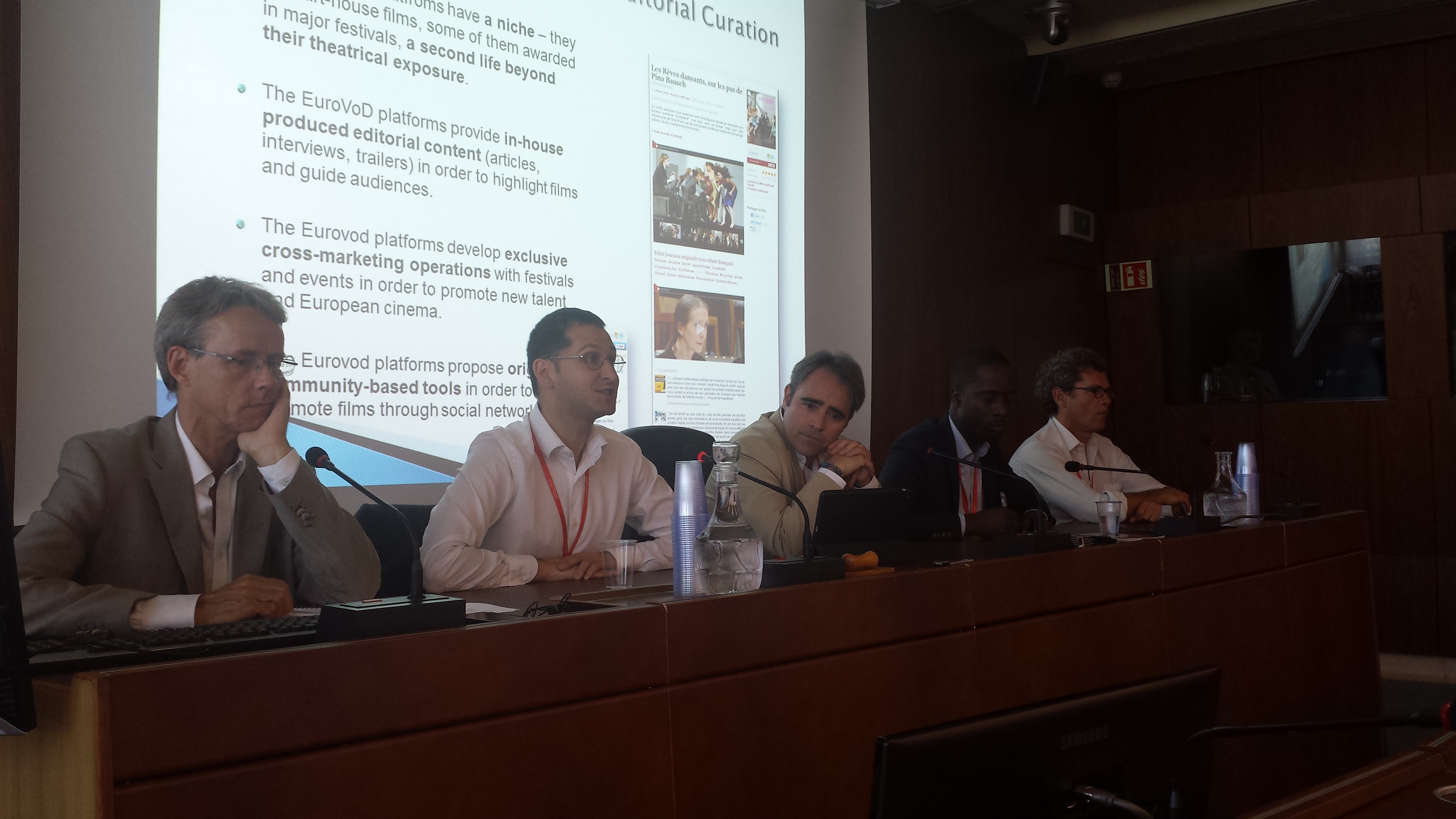
People are becoming increasingly mobile. With that, there are new expectations and needs. Video-on-demand industry experts told a recent event at the World Intellectual Property Organization that this represents a “change of paradigm,” requiring new models for financing and distributing films.