Category Lobbying

Between Human Rights And IP: An Interview With Laurence Helfer, Co-Author Of Guide To Marrakesh Treaty Implementation

When in 2013, in Marrakesh, Morocco, a new World Intellectual Property Organization treaty establishing exceptions and limitations for people with visual impairment was adopted, it was hailed by some as a miracle. Entered into force in 2016, the way states implement the treaty is of major importance for the World Blind Union (WBU) so that the treaty serves its purpose to expand access to books for visually impaired people. Laurence Helfer is co-author of a Guide: The World Blind Union Guide to the Marrakesh Treaty: Facilitating Access to Books for Print-Disabled Individuals. Alongside the recent session of the United Nations Committee on the Rights of Persons with Disabilities, he sat down with Intellectual Property Watch Senior Writer Catherine Saez to explain the main aims and messages of the Guide.

Law Enforcement, Industry Hold Event Against IP Crime At UN

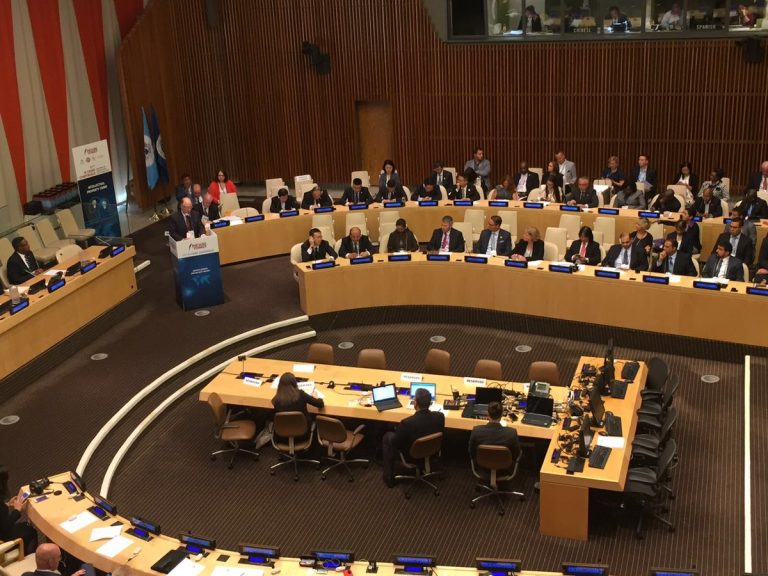
NEW YORK – An event of international law enforcement, security experts and industry this week at the United Nations headquarters in New York aimed at building strategies against a wide range of intellectual property crime worldwide. At the event, a senior United States official discussed plans to expand a program of US IP experts abroad.

US Lobby Group Fights China’s Inclusion Of Generic Food Names In EU GI Deal

China and the European Union appear to be on track to complete a deal on geographical indications that could include protection of some 100 products each from the EU and China. Comments have been received on the proposed list and are undergoing translation. Among them, a United States lobby group said the list for China to protect unfairly includes several generic food names that should not belong solely to the EU.

Did Monsanto Write Malawi’s Seed Policy?

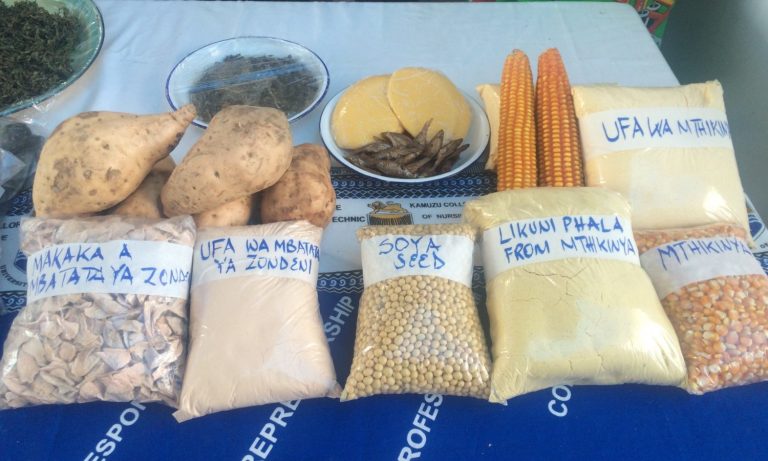
Tim Wise writes: In late July, a short article was published in a Malawian newspaper: “Press Release on Organization of Seed Fairs.” Issued by the Ministry of Agriculture, Irrigation, and Water Development, in conjunction with the Seed Traders Association of Malawi, the short statement advised the public that “only quality certified seed suppliers registered with Government to produce and/or market seed should be allowed to display seed at such events.” The release was signed by Bright Kumwembe for the Agriculture Ministry.

I received this news in the United States as I prepared a research trip to Malawi, and I was shocked. Malawi is in the final stages of a multi-year effort to reform its seed policy and laws, and the largest point of contention at this point is the failure of the draft policy to recognize and protect so-called “farmers’ rights” to save, exchange, and sell the seeds they grow on their farms.

WIPO, IFPMA Speaker Says Despite Trump Actions, He Would Be US Science Envoy

A United States State Department science envoy quit yesterday in protest over US President Donald Trump's pullout from the Paris climate accord and defensive comments after violence at a white nationalist rally in Charlottesville, Virginia. But according to a press report, Peter Hotez, a past science adviser who has been a featured speaker of a UN agency and pharmaceutical industry group in Geneva, is stepping up to offer his services without concern for Trump's actions.

US Issues Spate Of Trade Announcements, With IP In The Foreground

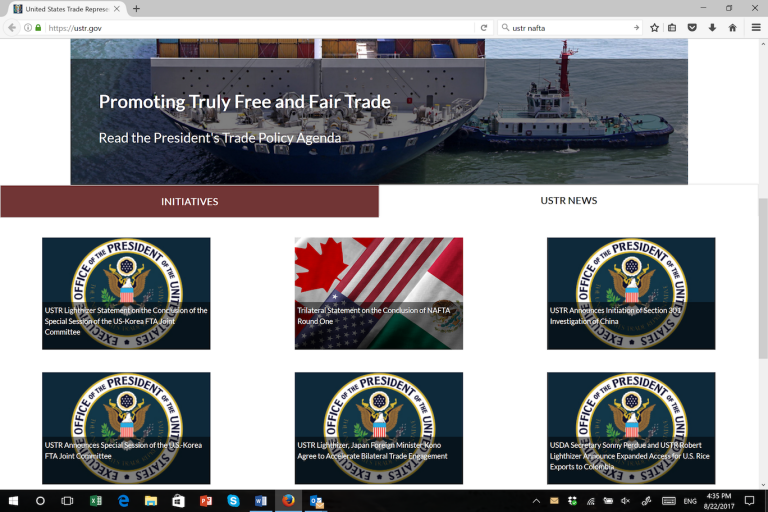
With much of the rest of the western world on holidays, the Office of the United States Trade Representative spent this month in meetings and issuing statements about improving international trade conditions for the US.

Over the past two weeks, United States Trade Representative Robert Lighthizer and other senior officials have been involved in activities with Canada and Mexico (under renegotiation of the 1994 North American Free Trade Agreement, NAFTA), Japan, South Korea, and China.

Report Shows Benefits Of US Investment In Global Health R&D

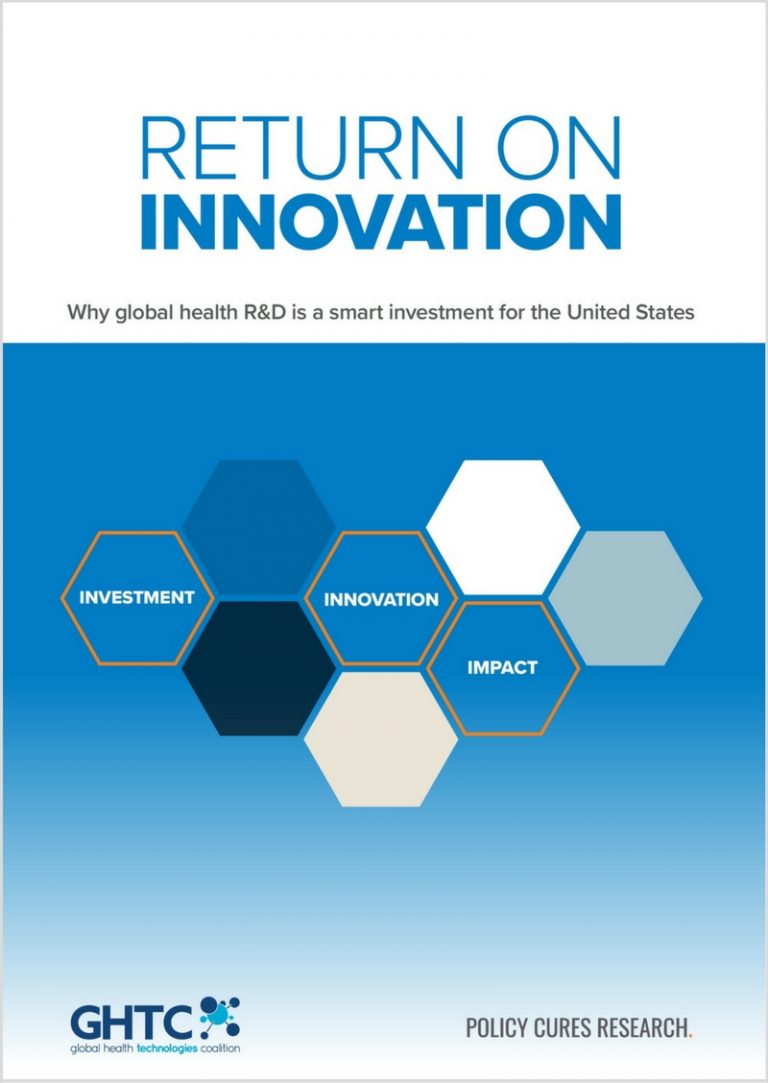
A new report from a global health advocacy group in Washington, DC shows the importance to the United States of US government investment in global health research and development and argues that more investment would have a tremendous positive impact on lives worldwide, including in fighting neglected diseases.

US, European Views On IP Management And Digital Business

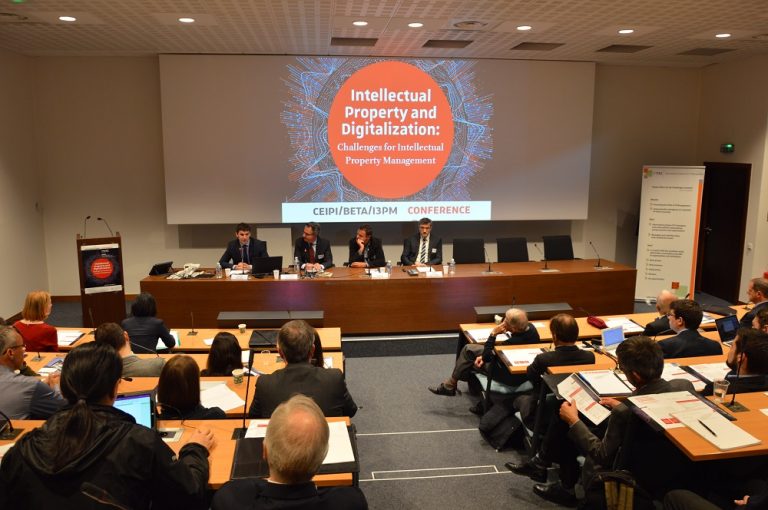
Data-driven technologies are enabling the expansion of trade and data flows around the world. We have disruptive smart products, smart industrial processes, smart clouds and smart services. Traditional industries such as pharmaceuticals, chemical and mechanical engineering digitally transform production processes to generate custom-tailored services and improve competitiveness using artificial intelligence while new companies emerge with disruptive offers. Such artificial intelligence-based business models, however, are bringing about a rethinking in European regulations in relation to copyrights, such as that deployed by DeepMind and Pinterest, for instance, because machine learning may reproduce countless amounts of proprietary content to generate raw solutions. A recent event in Paris delved into these and other issues, including data ownership and access rights, as well as inventions by computers.

The Case For Nations To Act On Medicines Access

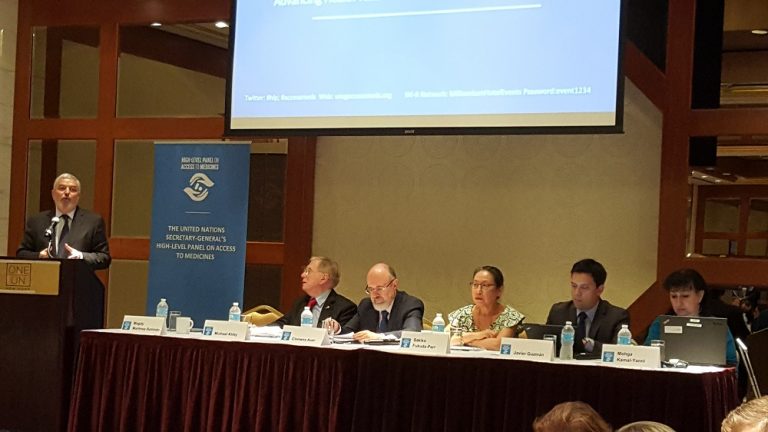
NEW YORK -- A range of speakers, including top health officials from both a developed and developing country, last week laid out the case for why the world’s leaders must now launch a shift in the way medicines all populations need are developed and priced. The need for global collaboration is clear, speakers said, but who will lead?

Intermediaries Could Be Made Liable In EU Copyright Legislation

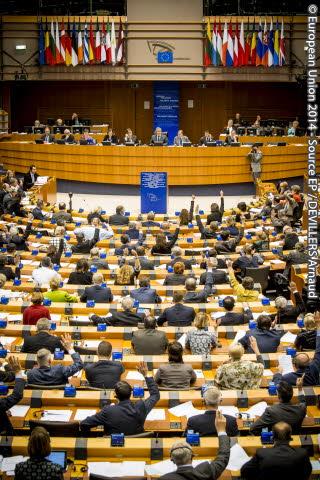
Positions on the new draft European Union Copyright Directive lie so far apart in the European Parliament that compromise before an expected October vote seems nearly impossible. Critics of a new special copyright for press publishers - and of a radical change towards holding internet intermediaries liable for what their users upload - were highly alarmed by this week’s developments in Brussels.