Category Innovation/ R&D

Recent Cases Warn Of Dangers Of Trying For Second Bite At The IPR Apple

The American Invents Act of 2011 (AIA) created inter partes review (IPR), a new opposition-like proceeding conducted at the US Patent Trial and Appeal Board (PTAB) in the US Patent and Trademark Office to challenge the validity of patent claims based on prior art patents and printed publications. Since then, conventional wisdom has advised filing a petition for IPR quickly after being sued for patent infringement, because any deficiencies or mistakes the PTAB identifies could be corrected with a second petition later on. Several recent decisions from the PTAB reveal limits to that strategy.

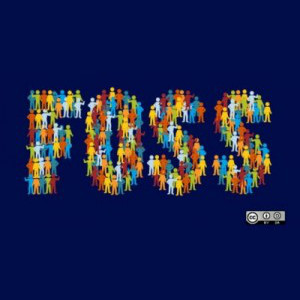
Uganda Adopts Free And Open Source Software For E-Governance

The population in Uganda has been growing rapidly. The country now has 35 million people. In order to provide quality services to its citizens and to improve the national competitiveness through administration innovation, the government has adopted free and open source software as the preferred mode of operation for electronic government (e-government) services and platforms.

At WIPO, Study On Copyright Exceptions Stimulates Broad Discussion With Author

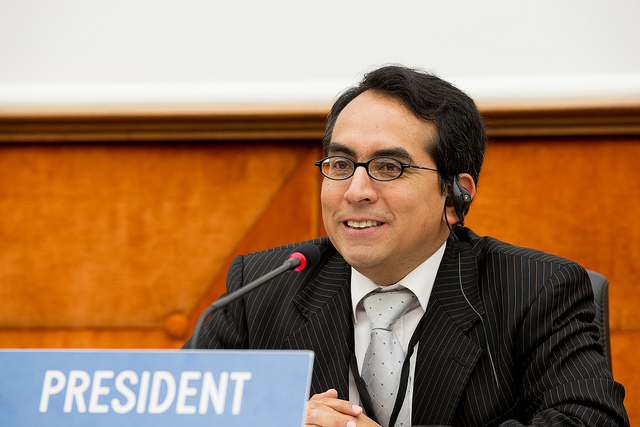
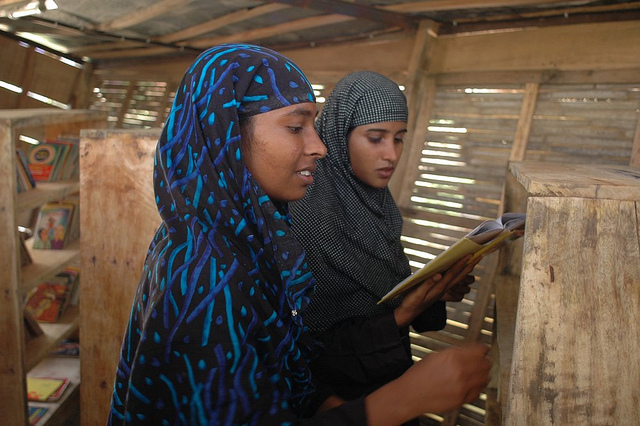
During the recent meeting of the World Intellectual Property Organization copyright committee, a study was presented on exceptions and limitations to copyright for libraries and archives at the national level. The presentation spurred a full day of discussion about how to ensure libraries can continue to provide an indispensable service, and a substantive exchange with the author.

Annual Brussels IP Summit: Fresh Ideas In A Classic Context

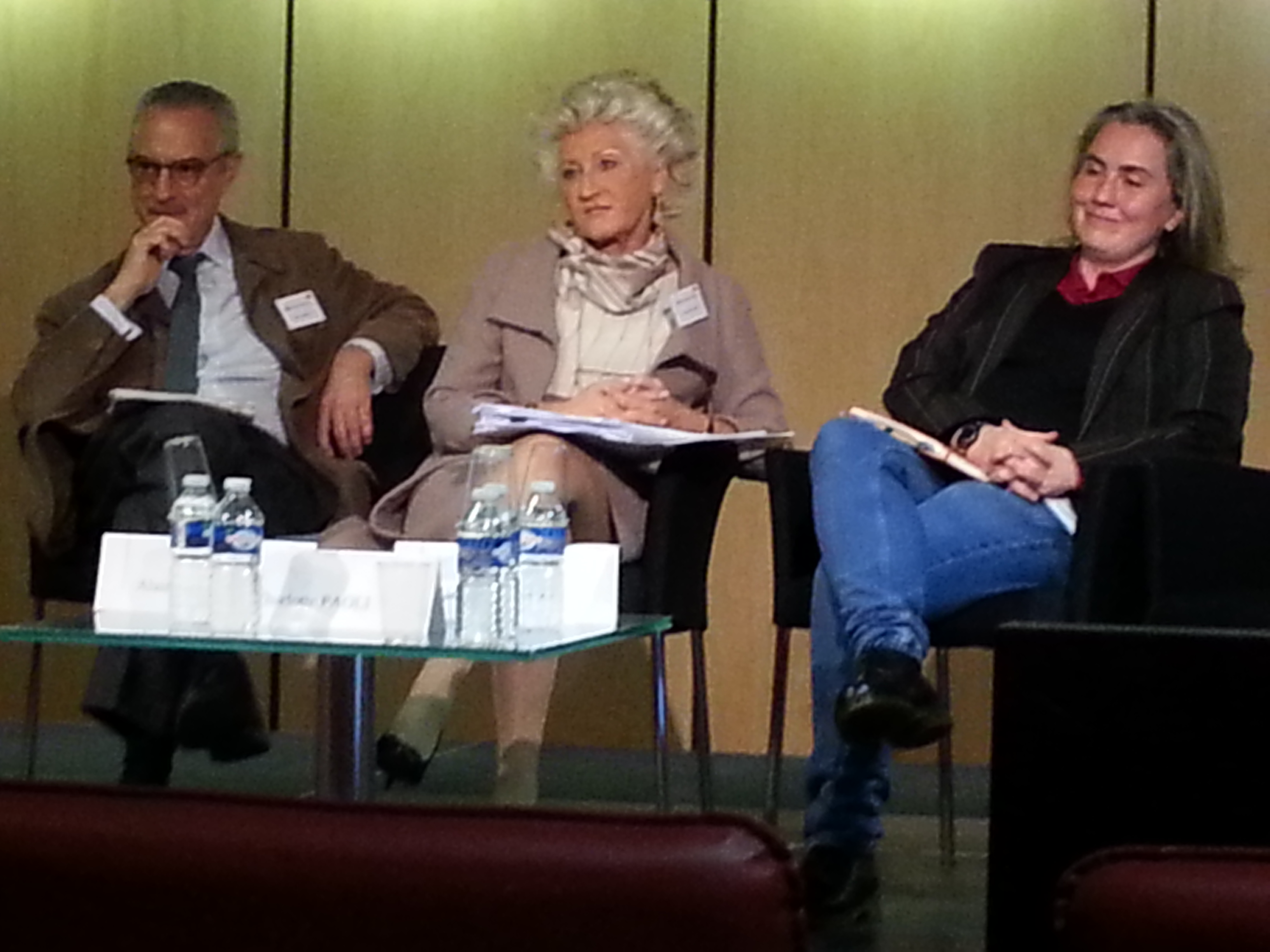
BRUSSELS – In an age where technology and globalisation play an ever-increasing role, it must be asked whether the policy goals and structures of the intellectual property system remain relevant in Europe and beyond. In this regard, the newly elected “Junker Commission,” in office from 1 November, offers a chance to issue new IP strategies and strengthen the pre-existent IP infrastructures.

In light of such changes, the Pan-European Intellectual Property Summit (IP Summit) with its unique blend of keynote speakers and 25 workshops, running from reforms at the European and national levels to sectorial business practices across the spectrum of IP fields, provided once again a platform for fresh and critical ideas.

Special Report: Copyright Policy At WIPO: A Plethora Of Topics, Concerns

World Intellectual Property Organization members continuously work to ensure international copyright policy is as responsive and helpful as possible to global changes. One thing they don’t lack is outside opinions on what they should do.

A number of side events were organised during the 8-12 December WIPO Standing Committee on Copyright and Related Rights (SCCR). Topics addressed in these events ranged from international cooperation in film production (IPW, WIPO, 8 December 2014), to access to copyrighted works in libraries and educational institutions, to a proposed treaty on broadcasters’ rights, as well as the interface between copyright and competition.