Category Innovation/ R&D

US Challenges For Biotech In 2015 – An Interview With BIO’s Hans Sauer

The biotechnology industry is closely watching developments in the United States that could impact the industry in 2015. These include the regulatory framework for biosimilars, possible patent legislation, post-grant review procedure, and the consequences of the recent Supreme Court ruling banning the patenting of human genes. Hans Sauer, Deputy General Counsel for Intellectual Property at the Biotechnology Industry Organization (BIO), recently spoke with Intellectual Property Watch’s Catherine Saez. Sauer was asked to lay out the main developments to watch in the coming year.
Questions About Funding, Text Of Tufts Study On Drug Costs

The Union for Affordable Cancer Treatment has sent a letter to the author of a much-noted Tufts University (US) study that found high development costs for medicines, with copies to the university administration. The letter requests transparency on the funding of the study and the press conference announcing the results, as well as copies of the study itself, which the group says was not made public, along with details to justify the result.

WHO Still Finding Its Way On Financing R&D For Diseases Affecting Poor Countries

In search of sustainable innovation models for cures for diseases affecting primarily developing countries, with the Ebola epidemic as a new reminder of the necessity and urgency of the matter, the World Health Organization had tasked an expert working group with the search for solutions. Last week, the WHO Executive Board took note of the progress made so far.

Special Report: Will India Bend To US Pressure On IP Rights?

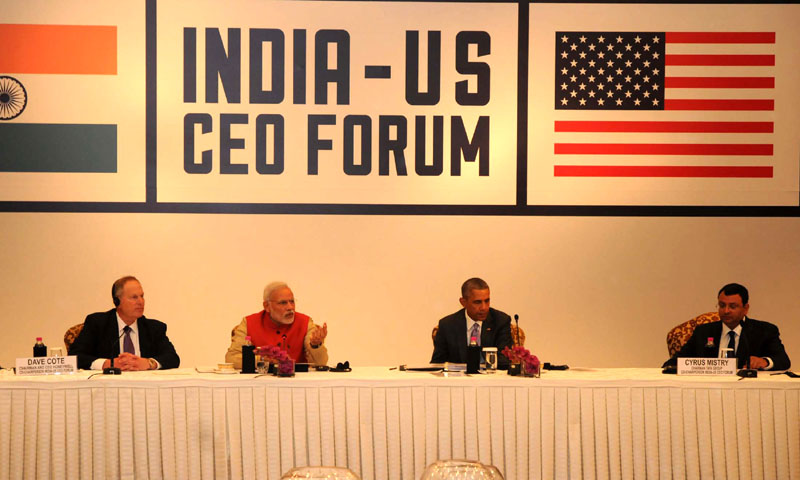
It is no secret that the United States has been scaling up pressure on India to adopt intellectual property measures similar to those common in the United States and the European Union. But to what extent does India’s new government led by the business-friendly Narendra Modi see eye to eye with US official position? Can India, the “pharmacy of the world”, resolve the friction between pharmaceutical patents and access to affordable medicines without putting off foreign investors? The vitriolic and polarising debate surrounding these questions has got a fresh lease of life following US President Barack Obama’s landmark three-day visit to India this week.

While Indian and American business moguls are bullish about the future, Indian generic drug-makers as well as health activists within and outside India are deeply anxious about the shape of things to come

Technical Investigators Have Rules To Follow In China’s Intellectual Property Courts

BEIJING - With the Beijing, Shanghai and Guangzhou Intellectual Property Courts being put into operation late last year, the rules for technical investigators had been missing until 21 January, when the Supreme People’s Court released the Provisional Regulations of the Supreme People’s Court on Several Issues concerning the Participation of Technical Investigators in Intellectual Property Court Proceedings. This is China’s first of its kind making rules for technical investigators.

Looking Behind The Different Invalidation Rates Of Oppositions And IPRs

Opposition proceedings in Europe have long served as a powerful tool for third parties to challenge the validity of a patent before the European Patent Office (EPO). Now, under the America Invents Act (effective September 2012), the United States (US) has two new procedures for challenging the validity of a patent before the US Patent and Trademark Office (USPTO): inter partes review (IPR) and post-grant review. Current statistics indicate a higher invalidation rate for IPRs as compared to EPO oppositions.

New Proposal To Extend WHO Action Plan On Innovation, IP Rights

At the World Health Organization Executive Board today, a group of countries tabled a proposal to extend the WHO plan of action on public health, innovation and intellectual property until 2022. Yesterday, the Executive Board took note of the Global Vaccine Action Plan while some countries remarked on issues of affordability and accessibility. And today, one of the key discussions of the week - on the engagement of WHO with lobbyists, donors, and other interested non-governmental parties - has begun.

Ebola, Reform High On WHO Executive Board Agenda This Week

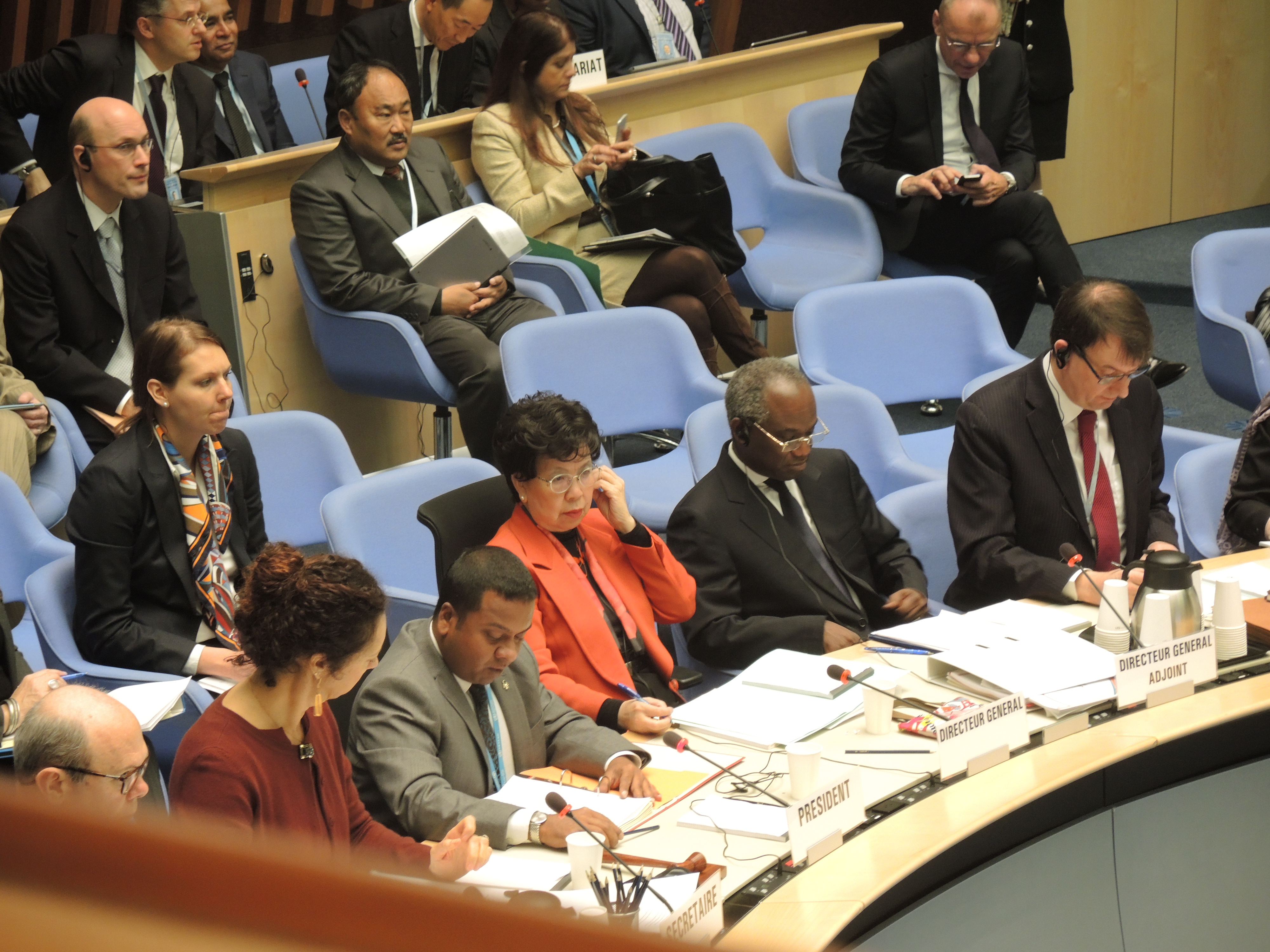
The World Health Organization Executive Board yesterday adopted a resolution on Ebola, on the eve of today’s opening of its 10-day meeting addressing a broad range of health issues, including several of relevance to the intellectual property and innovation community. Today, Italy requested that member states be involved in the setting of WHO guidelines, raising governance issues, while WHO Director General Margaret Chan called for strong health systems and reform to the WHO structure, and asked for room to move on WHO relations with industry.