Category Innovation/ R&D

UN Panel On Access To Medicines Extends Deadline For Contributions

The United Nations High-Level Panel on Access to Medicines has announced that the deadline for the submission of stakeholders’ contributions has been extended to 28 February 2016. The panel also lifted restrictions on the number of contributions authors can submit.

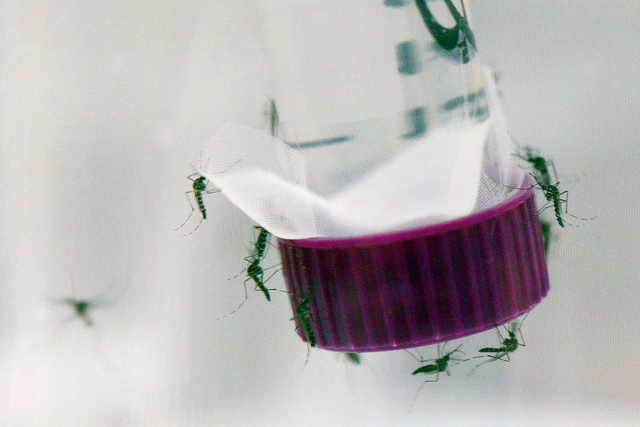
WHO Full Speed On Zika R&D, Two Candidate Vaccines Emerging; Funders, Journals Commit To Sharing Of Data

In an update on research and development against the Zika virus, the World Health Organization today said several companies are working on diagnostic tools, and two candidate vaccines are being considered. Discussions are ongoing with countries to encourage sharing of samples of the virus with the WHO, and leading organisations and scientific journals signed a declaration yesterday on the sharing of data for public health emergencies.

The Zika Virus Challenge: Mapping A Policy Path To Vaccine Development

The lack of preparedness to counter the effects of Zika virus follows a familiar script - a virus known since 1947, but one that has no currently available vaccine or treatments, like many neglected tropical diseases. This case could be illustrative of the wider struggle to finance investments into neglected diseases, but may tell a different story given its rarity of occurrence. It also may demonstrate how the World Health Organization is re-emerging as the global leader on response to outbreaks.

Vision, Urgency Of UN High-Level Panel On Access To Medicines Begins To Take Shape

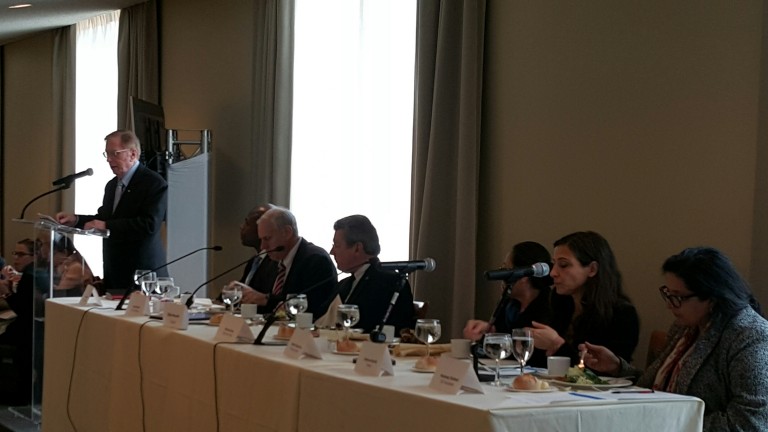
NEW YORK -- It came as a surprise to some when the United Nations Secretary General’s office announced in November the setting up of a high level panel to urgently address access to medicines and other health technologies. After all, UN agencies in Geneva, most notably the World Health Organization, have been working on these issues for years. Yesterday at the UN in New York, an event was held to explain some of the vision and urgency behind the setting up of the panel, which includes an expert committee of representatives of some 10 international organisations and others. It also includes an open online call for contributed ideas until 18 February, and two public hearings.

Special Feature: WHO Still On Trail Of New Financing For R&D For Poor Populations’ Medical Needs

World Health Organization members are expected to meet this spring to assess progress and discuss potential solutions to the lack of financing for research and development for diseases affecting primarily developing countries. The WHO Executive Board last week discussed and noted a report by the WHO secretariat for the preparation of the open-ended meeting. The exact date of the meeting is not certain, according to WHO officials, but would likely be in March or April.

China Continues High Growth In IP Filing, But Is There More To The Story?

Sheer intellectual property filings may not be the only or even best measure of innovation, but they are a closely watched economic indicator. Using what data it has, the World Intellectual Property Organization recently touted China's continued massive growth in this area, particularly in patent applications.

Wired – UNICEF Invests $9m In ‘Open Source’ Tech To Save Children’s Lives

The United Nations will fund 60 startups to create open source technologies to improve the lives of children in developing countries. Unicef, the children's charity run by the UN, will channel more than $9 million into startups based on venture capital-style investing. But it isn't concerned if the companies fail.

WHO Preps For 2018 UN Review Of Cardiovascular Diseases, Cancers, Respiratory Diseases, Diabetes

World Health Organization Director-General Margaret Chan submitted a report to last week’s Executive Board meeting detailing progress made in establishing a framework for the implementation of a global action plan for prevention and control of noncommunicable diseases (NCDs – like obesity, cancer, diabetes). The global action plan is to be officially implemented after the United Nations General Assembly comprehensive review of the prevention and control of NCDs in 2018, designed to eventually reduce premature mortality from NCDs by a third in 2030 in accordance with the health-related Sustainable Development Goals.

Increasing Shortages Of Medicines Discussed At WHO, To Be Continued In May

There is an increasing shortage of medicines in the world, in particular in developing countries, but not only there, World Health Organization members said in last week’s Executive Board meeting. Discussions are ongoing on potential solutions and the agenda item referring to the issue was left open, to be brought to the World Health Assembly in May.

Special Feature: UN High Level Panel On Access To Medicines – First Reactions, Process Explained

A high level panel of experts charged by United Nations secretary general to explore solutions to increase innovation and access to medicines in developing countries gave a briefing today to explain the process of the initiative. Intellectual property is often seen as both a barrier to the diffusion of health technologies and an innovation enabler.