African Tech Start-Ups Face Many Challenges
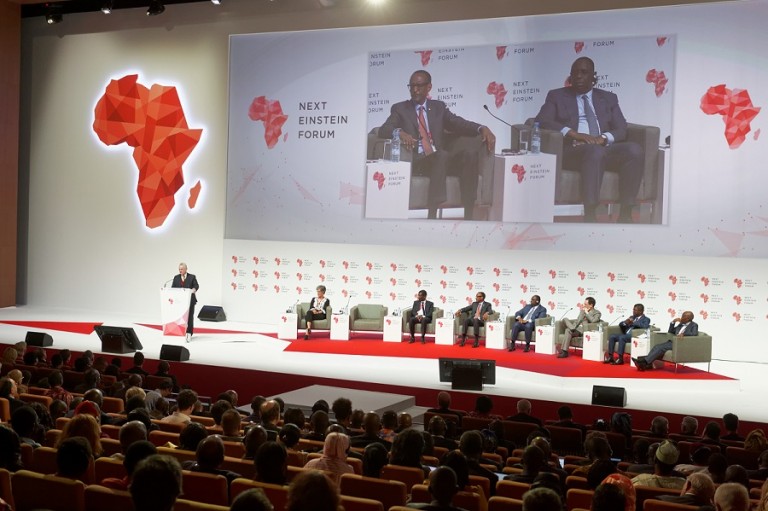
DAKAR, Senegal – Rachel Sibande won accolades when she started Malawi’s first ever technology start-up mHub in 2013.

Original news and analysis on international IP policy
DAKAR, Senegal – Rachel Sibande won accolades when she started Malawi’s first ever technology start-up mHub in 2013.

Public health advocates, academics, patients, governments and others this week presented further ideas to the United Nations Secretary-General’s High-Level Panel on Access to Medicines on ways to break the longstanding pattern of expensive medical products around the world as a way to pay for research and development.
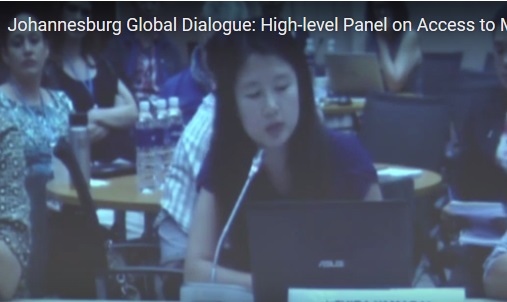
Speakers from Asian civil society provided recommendations to the public hearing of the United Nations Secretary General’s High-Level Panel on Access to Medicines held yesterday. They underlined the unaffordability of medicines in their countries, the inefficiency of current mechanisms such as voluntary licensing, and the pressure applied by pharmaceutical companies and the United States and Europe to prevent the use of compulsory licences. One speaker warned against the expert advice given by the World Intellectual Property Organization to least-developed countries, while others pointed to stringent intellectual property measures in free-trade agreements.
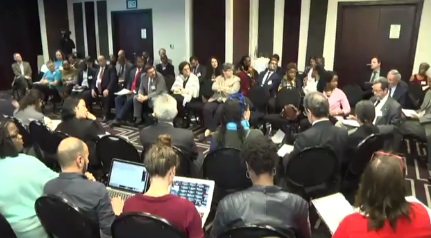
Today in Johannesburg, South Africa, the second of two public dialogues was held by the United Nations Secretary General’s High-Level Panel on Access to Medicines, drawing another packed room and many ideas, experiences and suggestions for solutions.
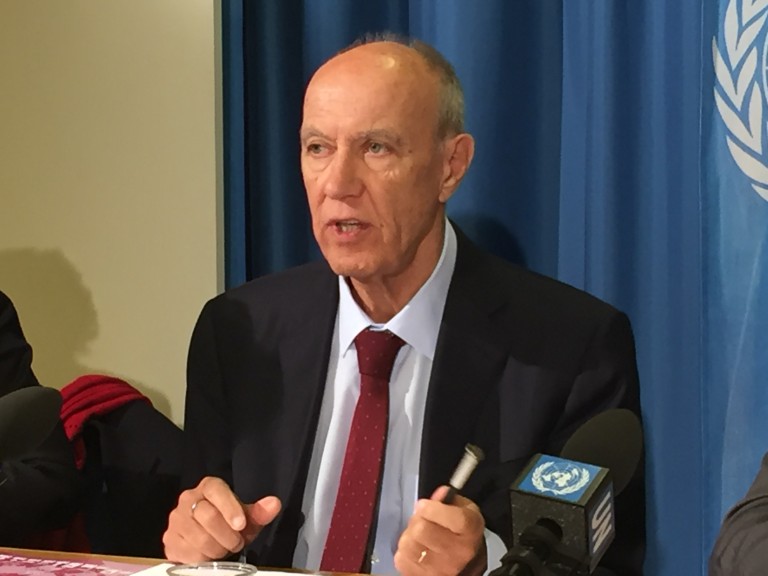
China, Japan and South Korea are among the top five countries filing international patent applications at the World Intellectual Property Organization, while the United States continues to lead in patent and trademark applications. Far behind, developing countries seem to be having a hard time catching up.
A new UN report provides significant detail on the increasing flows of cultural trade worldwide. On intellectual property rights, the report appears to primarily examine copyright as a form of revenue generation.

Despite impressive growth, the pharmaceutical sector in China still relies on generic drug production since the majority of domestic companies cannot compete with country-based foreign corporations. Currently, following WTO pressure to oblige China to comply with IP regulations, more and more patented drugs are entering the market. Unfortunately, in spite of a newly introduced IP friendly bill, a puzzling situation persists, writes Pietro Dionisio.
Standards developed by the European Telecommunications Standards Institute for industries such as the mobile communications sector are underlain by an intellectual property rights policy that has proved successful for many years, ETSI officials said at an 11 March Oxfirst webinar.
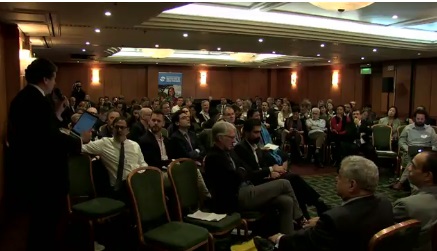
An initiative of the United Nations secretary general yesterday gathered what could be described as an assembly of many of the world’s best thinkers and practitioners on public health and intellectual property rights. Industry, activists, academics, international organisations, and possibly some governments poured out their views for nearly seven hours – at times coming to tears and tension – shepherded by an astute moderator, as they responded to the call to take a longstanding debate on medicines access and high prices to a breakthrough.

The World Health Organization has provided a list of suggestions to the United Nations Secretary General’s High-Level Panel on Access to Medicines, highlighting WHO activities in this area and making suggestions on areas the WHO has not yet been able to complete. It also describes several new proposals by WHO, including a global “fair pricing forum,” a pooled health product R&D fund, and a global antibiotic research and development facility.