Category Information and Communications Technology/ Broadcasting

Dismantling Of LiMux On Eve Of Pirate Party Security Conference

MUNICH -- For the Pirate Party gathered at the Pirate Security Conference (PirateSecon) in Munich this is bad news. On the eve of the PirateSecon, held alongside the big Munich Security Conference, the city council of Munich decided to reverse the once-celebrated migration to LiMux, its much reported about Linux platform. For the German Pirate Party, the dismantling of “LiMux” is a step in the wrong direction. At the third edition of the Pirate Security Conference Pirate Party members from Luxembourg, Iceland, Switzerland and the Czech Republic discussed how to take back data and even algorithms – and how to win elections.


Search Engines, Rightsholders Agree Plan To Stop UK Consumers From Reaching Infringing Websites

Search engines Google and Bing have signed a voluntary code of conduct with the British Phonographic Industry (BPI) and the Motion Picture Association to prevent consumers from being directed to copyright-infringing websites, the UK Intellectual Property Office said on 20 February. The deal, brokered by the IPO, comes into effect immediately and is intended to reduce the visibility of infringing content in searches by 1 June, the office said.

WIPO Broadcasting Treaty: What Broadcasters Really Want To Protect Their Business From Piracy

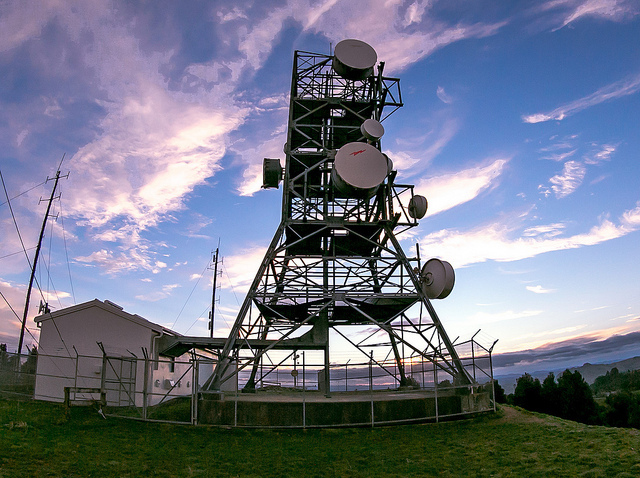
In discussion for close to 16 years at the World Intellectual Property Organization, a treaty aimed at protecting broadcasting organisations’ intellectual property rights has not reached conclusion. Intellectual Property Watch sat down recently with the European Broadcasting Union to understand what broadcasters actually say they need to protect their businesses against piracy. As to what they see hindering the technical resolution of the treaty? Politics.

Potential Treaty To Protect Broadcasters’ IP Rights: Technicalities Explained

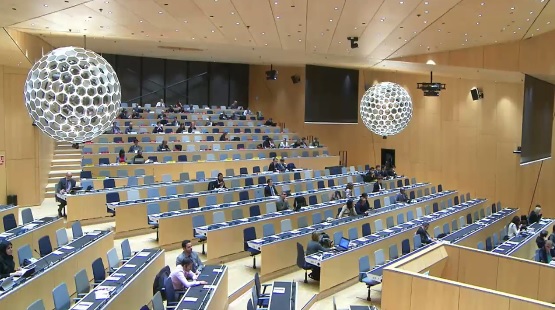
Negotiations for a treaty providing protections for broadcasting organisations have been long and difficult at the World Intellectual Property Organization. In the corridors of WIPO, questions to a number of delegates are often answered with a puzzled look and what seems to be little understanding of technical issues. Intellectual Property Watch recently tried to untangle some of the technicalities of the discussions.

A Case For Trade Enforcement: Colombia And Intellectual Property

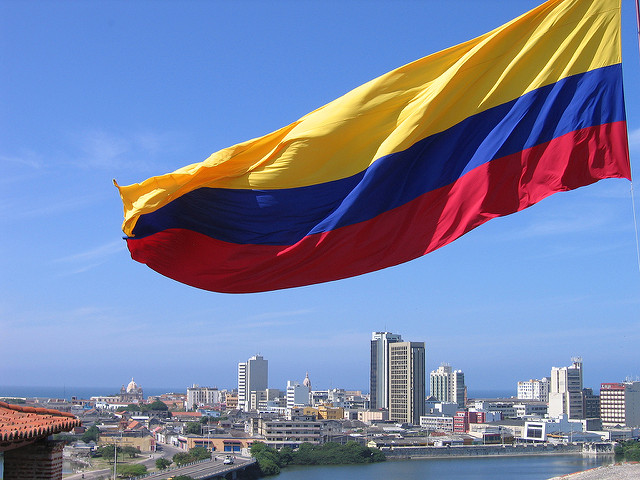
President Trump and members of his administration have rightly talked about the need to be tougher on trade enforcement, including promising to take a closer look at existing trade agreements to see whether they should be revoked, renegotiated, or more strictly enforced. A candidate ripe for review is Colombia, and in particular, its ongoing failure to implement intellectual property provisions under the U.S. Colombia Trade Promotion Agreement (TPA), Nigel Corey writes.

Research Groups Seek Stronger Protections In EU Copyright Reform Proposal

European lawmakers should boost protections for researchers and educators in the European Commission proposal for a directive on copyright in the digital single market, five research organisations said today. Among other things, lawmakers and policymakers must rethink the provisions on text and data mining as well as the exception for use of works in digital and cross-border teaching, they said.