Category Human Rights

Manila Principles On Intermediary Liability Offer Vision For Balance

A new set of principles launched this week by a range of global non-governmental organisations attempts to set out guidelines for internet intermediaries’ liability for content of communications. The six principles, which are seeking endorsement from organisations and individuals worldwide, address freedom of expression, freedom of association, and the right to privacy.

How The Leaked TPP ISDS Chapter Threatens Intellectual Property Limitations and Exceptions

Warning: Attempt to read property "post_title" on null in /home/clients/5bc716f64eaa5eb2ef6cc74a6b9b690a/sites/kait2.ip-watch.org/wp-content/plugins/better-image-credits/better-image-credits.php on line 227

By Prof. Sean Flynn, Associate Director, Program on Information Justice and Intellectual Property (PIJIP), American University Washington College of Law Reposted with permission from Infojustice.org, original here. I released a statement earlier today opining that the today’s leak of the…

UN Human Rights Council Approves Expert On Privacy In The Digital Age

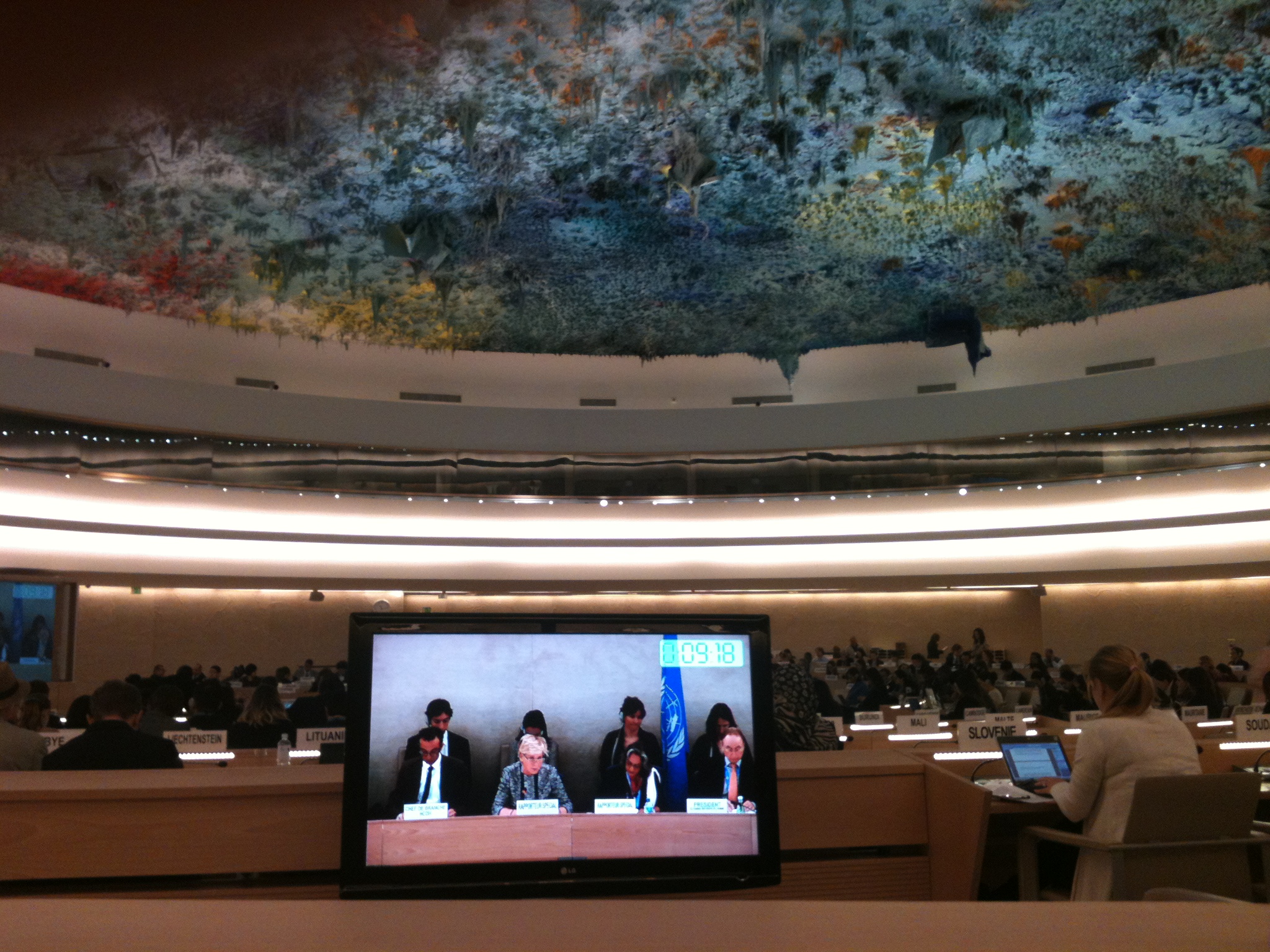
The UN Human Rights Council at its 28th session today in Geneva adopted a resolution that establishes a new mandate for a Special Rapporteur on Privacy in the Digital Age. The Council also approved a resolution extending the mandate of the Special Rapporteur in the field of cultural rights for 3 years, and took note of the current rapporteur’s recent report raising concerns about the impact of copyright on human rights.

Indian Draft Pesticides Bill Contains TRIPS-Plus Data Exclusivity, Indian Pharma Says

India is considering legislation on pesticides containing data exclusivity provisions that would raise the level of intellectual property protection above the minimum required by international trade agreements and could act as a precursor for pharmaceutical products in the country, a leading Indian industry representative warned this week. India is sensitive to restrictions on the use of marketing data of patented pharmaceuticals as it is seen as the world leader in generic medicines, which use such data.

Patent On Conventional Plant Dismissed For Lack Of Novelty, Firm Says

The District Court of The Hague (Netherlands) ruled last week that a patent for red radish plants is invalid in the Netherlands for lack of novelty but did not rule on the fact that the particular plant was bred using essential biological processes. The case, between two Dutch companies, related to red radish sprouts on which one company held a patent.

TPP’s Copyright Term Benefits US, Burdens Others

The US got its way. The Trans-Pacific Partnership agreement (TPP) will require all member nations to have a minimum copyright term of life plus 70 years. As a result, Japan, Canada, New Zealand, and three other nations will have to increase the duration of copyright by 20 years. This copyright term extension will benefit powerful interests in the US, but will hurt consumers and creators in six other nations that are part of the TPP.

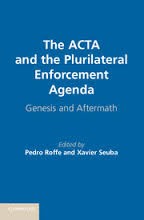
New Book: ACTA And The Plurilateral Enforcement Agenda: Genesis And Aftermath

The new book, “The ACTA and the Plurilateral Enforcement Agenda,” offers an insightful read on the highly debated Anti-Counterfeiting Trade Agreement (ACTA), an effort to raise intellectual property protection that was met with opposition by many countries and was subject to intense scrutiny from non-state actors, including industry, civil society and academics.

UN Human Rights Council Debates Report Criticising Copyright

Copyright might run counter to human rights, says a new report from the United Nations Special Rapporteur in the field of cultural rights. In the report, she provides a number of recommendations, including encouraging UN World Intellectual Property Organization members to support the adoption of international instruments on limitations and exceptions to copyright. The report is under consideration by the Human Rights Council and was debated extensively today.

WIPO Encourages Participation Of Women In Intellectual Property System

As the United Nations celebrated Women Day on 8 March, the World Intellectual Property Organization had an ongoing initiative to encourage women’s participation in a WIPO social media platform on technology and innovation.

Kaori Saito, gender and diversity specialist in the WIPO Human Resources Management Department, and Tomasz Liharewski, program officer, WIPO Global Infrastructure Sector, sat down this week with Intellectual Property Watch’s Catherine Saez to describe what the initiative was about and its outcome.

No, Democracy is Not Excess Baggage

There was quite some controversy at the 3-4 March 2015 UNESCO Connecting the Dots Conference regarding whether or not the term “democracy” should be included in the conference’s outcome statement to make it clear that internet governance must be democratic.