Category Human Rights

Panellists At UN: Create A Global Research Centre For Artificial Intelligence?

Artificial intelligence can solve many challenges facing humanity and it is seen playing a contributing role to the achieving of the United Nations Sustainable Development Goals (SDGs), but being data-driven, the inevitable question that arises is who owns it and manages it.
Experts Think Through Ethical, Legal, Social Challenges Of The Rise Of Robots

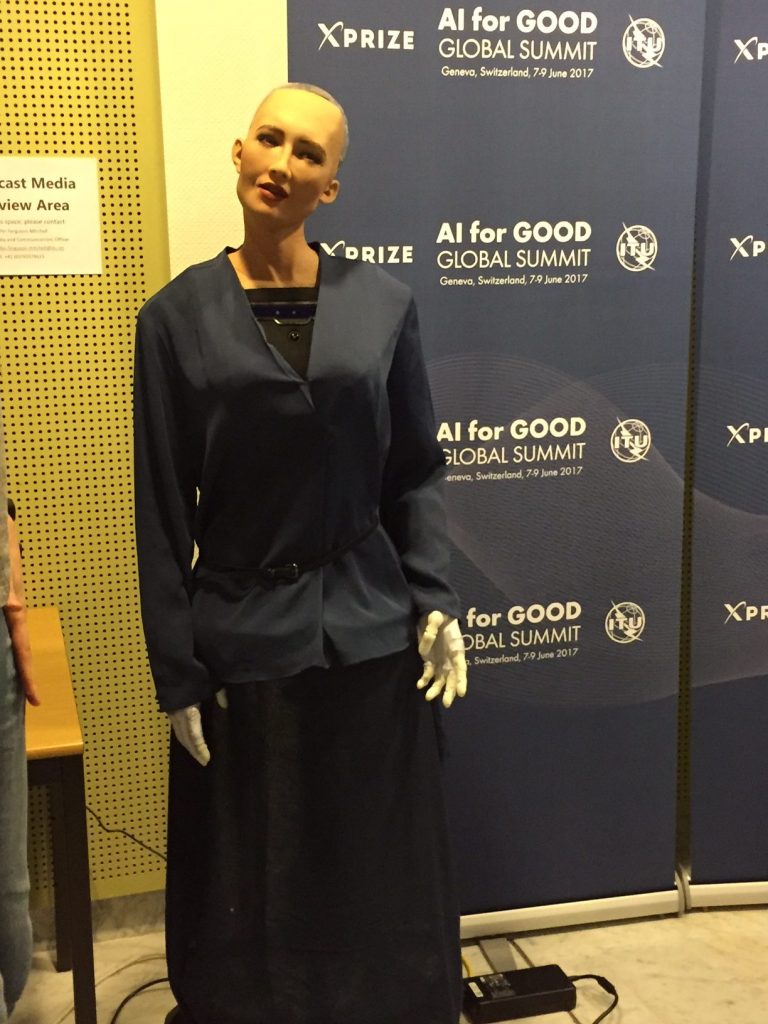
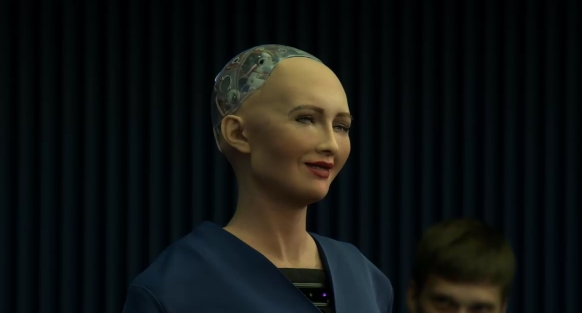
Who thought that the laws of robotics described by famous science fiction author Isaac Asimov would one day resonate with real life issues on robots? Last week’s summit on artificial intelligence sought to imagine a world increasingly manned by machines and robots, even self-taught ones, and explore the legal, ethical, economic, and social consequences of this new world. And some panellists underlined a need to establish frameworks to manage this new species.

Speakers Look At Artificial Intelligence For Sustainable Living

A panel of experts on artificial intelligence last week agreed that there are many opportunities for artificial intelligence to encourage a common good and sustainable living. And they set out several ways to get there.

Artificial Intelligence: No Clear Roadmap For The Future

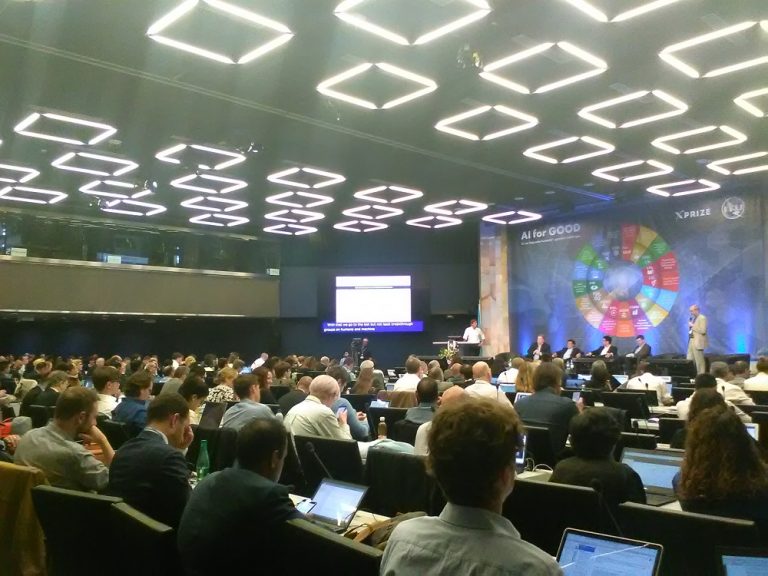
“Artificial intelligence is as a weapon” and we have to deal with it “as we deal with other weapons,” Cindy Smith, director of the United Nations Interregional Crime and Justice Research Institute (UNICRI), said during a panel discussion at an artificial intelligence summit in Geneva this week. The panel discussion focused on preparing a roadmap to ensure that artificial intelligence develops in “a safe, responsible and, an ethical manner” that benefits all the different segments of our society.

Human Rights Council Speakers: Right To Health Underlies All Other Rights, Access To Medicines Key

If governments have the obligation to help keep their citizens healthy, many of them are struggling to strengthen their health systems. A variety of hurdles is in the way, and lack of access to medicines is one of them, as underlined by the World Health Organization director general in her address to the United Nations Human Rights Council yesterday.

Summit: Artificial Intelligence Is Humanity-Changing, Build Safeguards Now

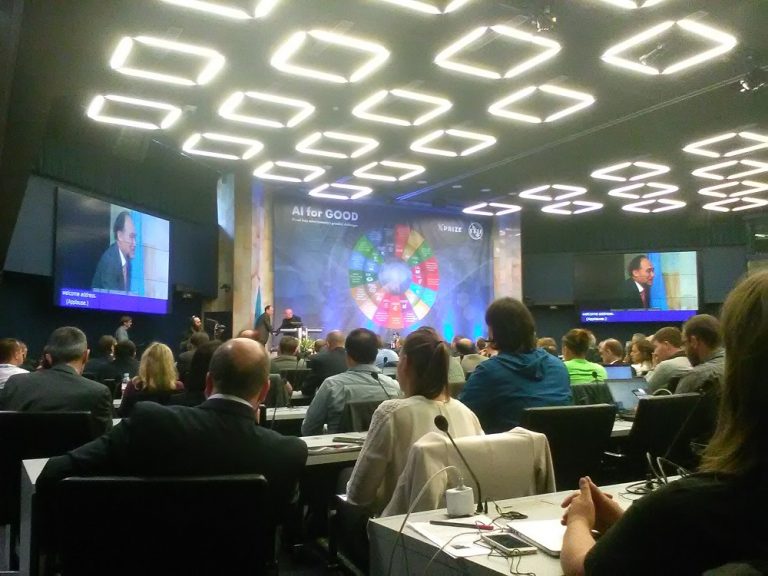
For artificial intelligence enthusiasts, the future is bright. Soon intelligent machines will help humankind solve most problems, and according to one speaker at an artificial intelligence summit in Geneva this week, humans will be outsmarted by robots in the foreseeable future, in an artificial intelligence bliss. For others, artificial intelligence is far from delivering a fully positive outcome, and for several United Nations representatives, such as the World Health Organization, the world should not be entrusted to robots just yet.

Security, Privacy, Trust Remain Challenges For The Internet Of Things

It is “amazing” what can be done via the internet and the Internet of Things is a “game changer,” a speaker said during the Internet of Things Week currently taking place in Geneva. Ninety percent of the data in the world has been created in the last two years. And the speed of data creation is still increasing, another speaker said.

IP And The Public Interest Premieres At WTO TRIPS Council Next Week

It has become a tradition at the World Trade Organization committee on intellectual property to have an agenda item on intellectual property and innovation, and next week's meeting is no exception. More noticeable on the agenda of the committee next week is an item on intellectual property and the public interest that addresses compulsory licensing.

New WHO Essential Medicines List: Antibiotics, Hepatitis C, Leukaemia, TB

The World Health Organization's new list of essential medicines, those which should be available to everyone, anywhere, was issued today. To answer the rising concern about antimicrobial resistance, the antibiotics on the list have been divided in three groups, the last of which are to be used as a last resort. The list includes the first combination therapy to treat all six types of hepatitis C. However, no second line treatment for breast cancer has been added this year.