Category Human Rights

Malaysia Grants Compulsory Licence For Generic Sofosbuvir Despite Gilead Licence
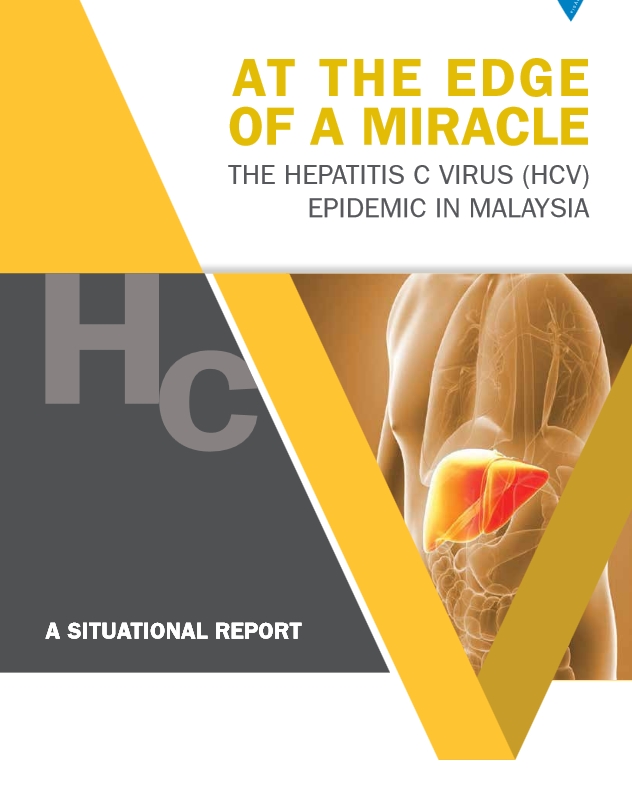
A much cheaper version of a groundbreaking hepatitis C medicine is expected to be available soon for the hundreds of thousands of hepatitis C patients in Malaysia, as it decided to grant a compulsory licence to sofosbuvir, according to sources. The decision comes right after the medicine originator decided to expand its voluntary licensing scheme to four more countries, including Malaysia. [Updated]
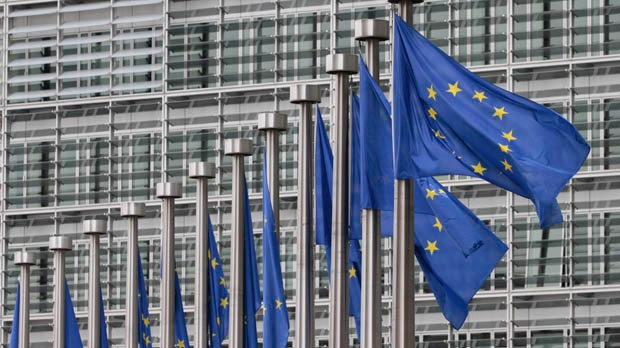

EU Copyright Reform Meets Resistance From Stakeholders, Some Governments

With a vote in the lead European Parliament committee imminent on European Commission plans to revamp copyright rules, industry stakeholders, digital rights activists and even some EU member states are troubled by various legislative amendments and EU Presidency compromise proposals.

Workshop To Address Public Interest And CRISPR Gene Editing, CAR T Cancer Treatment

Experts at a one-day workshop in Washington DC next week will discuss public interest aspects of patents and two breakthrough new medical technologies related to gene editing (CRISPR) and cancer treatment (CAR T).

Between Human Rights And IP: An Interview With Laurence Helfer, Co-Author Of Guide To Marrakesh Treaty Implementation

When in 2013, in Marrakesh, Morocco, a new World Intellectual Property Organization treaty establishing exceptions and limitations for people with visual impairment was adopted, it was hailed by some as a miracle. Entered into force in 2016, the way states implement the treaty is of major importance for the World Blind Union (WBU) so that the treaty serves its purpose to expand access to books for visually impaired people. Laurence Helfer is co-author of a Guide: The World Blind Union Guide to the Marrakesh Treaty: Facilitating Access to Books for Print-Disabled Individuals. Alongside the recent session of the United Nations Committee on the Rights of Persons with Disabilities, he sat down with Intellectual Property Watch Senior Writer Catherine Saez to explain the main aims and messages of the Guide.

New Guide Shows How Best To Implement Marrakesh Treaty So Books Are Accessible To Visually Impaired

The World Blind Union (WBU) has recently issued a guide to the World Intellectual Property Organization treaty providing copyright exceptions for visually impaired people. If the treaty was hailed by all, the way it is implemented could be a gamechanger, and the WBU provides advice to all stakeholders, and in particular governments, so that the treaty is interpreted and implemented to the best interest of the visually impaired. The union also warns against the implementation of two optional provisions, which they say could run counter to the aims of the treaty.

Malaysia Inclusion In Gilead Voluntary Licence – A Product Of Compulsory Licence Pressure

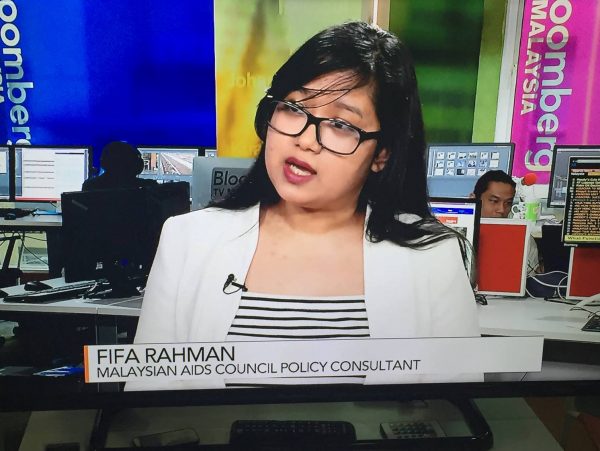
Fifa Rahman

Gilead’s announcement today that they would include four middle-income countries (Malaysia, Thailand, Belarus, Ukraine) in their sofosbuvir voluntary licence was a welcome surprise, and will enable millions access to their highly effective, but exorbitantly priced, drug. The decision to include these countries, however, no doubt is a response to increasing pressure from within these countries to either issue a compulsory licence (CL) or a government use licence (GUL), invalidate the sofosbuvir patents, or block data exclusivity for the drug.

WIPO, IFPMA Speaker Says Despite Trump Actions, He Would Be US Science Envoy

A United States State Department science envoy quit yesterday in protest over US President Donald Trump's pullout from the Paris climate accord and defensive comments after violence at a white nationalist rally in Charlottesville, Virginia. But according to a press report, Peter Hotez, a past science adviser who has been a featured speaker of a UN agency and pharmaceutical industry group in Geneva, is stepping up to offer his services without concern for Trump's actions.

Report From WHO Fair Pricing Meeting Shows Balanced Discussion

A wide range of governments and stakeholders attended a closed meeting in the Netherlands in May to address the ongoing problem of pricing medicines to pay for research and the resulting lack of affordability of those medicines. The report from the World Health Organization-led meeting shows a range of points were made by participants and signals a move to change the global policy.