Category Human Rights

EU-MERCOSUR FTA Puts At Risk Access To Medicines In Brazil, New Impact Assessment Study Finds

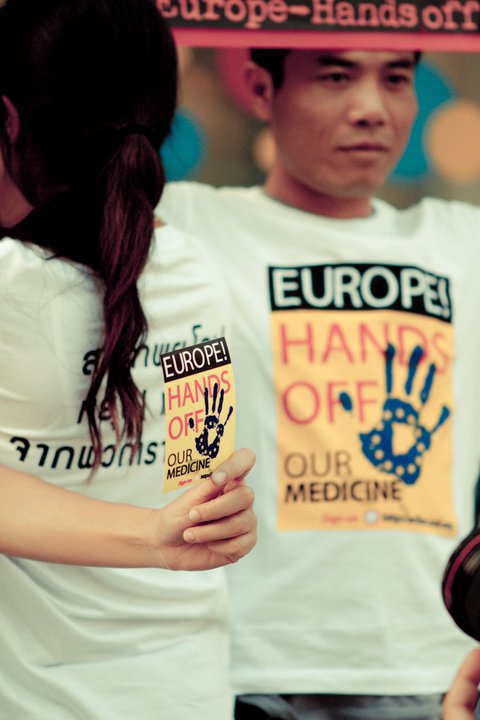
The European Union (EU) is currently negotiating a free trade agreement (FTA) with the four founding members of Mercosur (Argentina, Brazil, Paraguay and Uruguay), which comprises a chapter on intellectual property rights (IPR). A new round of negotiations is taking place from November 29th to December 8th in Brussels[1]. Word is that they aim to announce the closure of the agreement at the next World Trade Organization (WTO) Ministerial Conference that will be held from 10-13 of December in Buenos Aires and the clock is ticking to close all the chapters before that. The authors have conducted a study that shows the adoption of the measures proposed by the EU could put the sustainability of access to health policies in Brazil at risk, as they could sharply increase public expenditures on medicines.

Access To Affordable Healthcare: A Global Wake-Up Call Fosters Coalition Of The Like-Minded

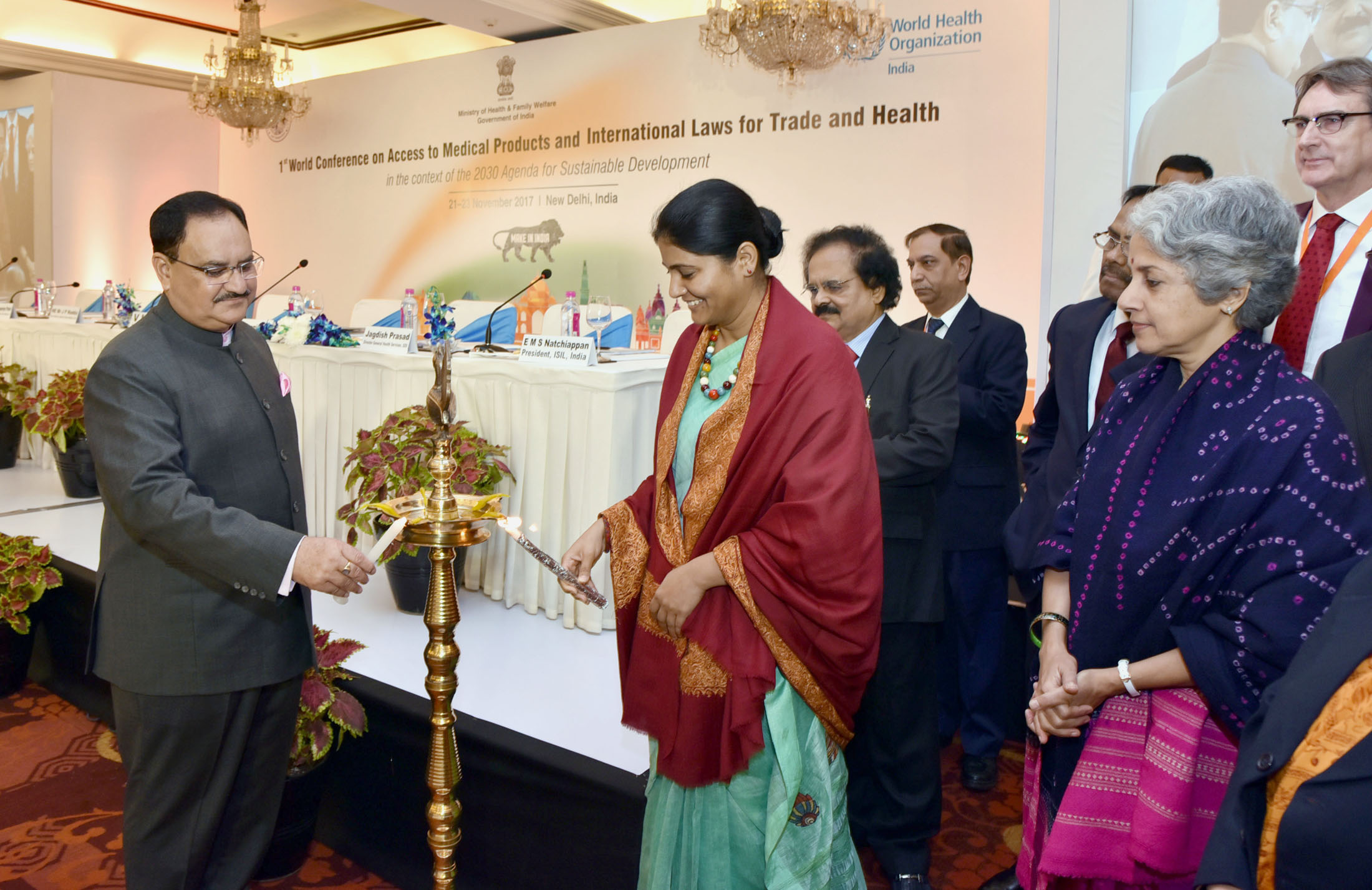
NEW DELHI -- Few topics in the global health agenda are as contentious as access to affordable medicines and medical care, and expectedly, divergent views permeated the discussions at a high-level conference in New Delhi, India last week. But if there is one thing that the three-day meet made amply clear, it was this: access to affordable healthcare has emerged as a global problem, and an emerging coalition of the like-minded, cutting across the developed and developing countries, is determined to have their voices heard in international policy circles on the issue.

‘The WHO Does Not Have A Board’: New WHO Director Pushes To Make Agency More Efficient

World Health Organization Director General Tedros Adhanom Ghebreyesus (Tedros) admonished member states at the close of this week’s special session of the WHO Executive Board charged with examining the agency’s draft work programme for 2019-2023. A trust deficit among member states leads to the multiplication of national statements, impeding efficiency, he said. Meanwhile, a number of countries called for affordable and accessible medicines, and help to manufacture generic medicines locally, while the United States pushed the role of the private sector.

WIPO Committee Debates Future Of Copyright Exceptions, Will Keep Working On Broadcasting Text

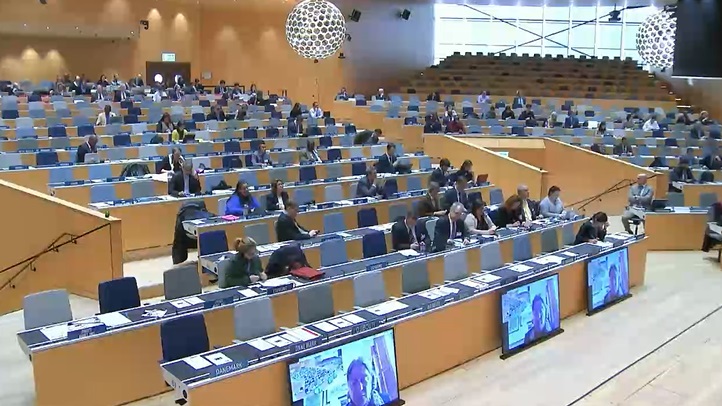
The World Intellectual Property Organization copyright committee last week sent back to the drawing board draft action plans provided by the secretariat on exceptions and limitations to copyright for specific actors such as educational institutions and libraries. Meanwhile, discussions on the rights of broadcasting organisations against signal theft and piracy are expected to give way to a new text on specific topics, to be produced by the end of the month, while topics such as the resale right did not make it to standing agenda items but remain on list of items to be discussed in the spring.

Studies Presented At WIPO To Better Understand Limitations To Copyright

With no consensus on conducting normative work at the World Intellectual Property Organization on the limitations to copyright for certain actors such as persons with disabilities, educational institutions, and museums, the committee on copyright had agreed on several studies so the issues are better understood. This week, several of those studies were presented to the committee and shed some further light on the issues.

New Proposal At WIPO On Exceptions To Broadcasting Rights

While World Intellectual Property Organization delegates held informal closed consultations at the beginning of this week on a potential treaty protecting rights of broadcasting organisations from signal theft and piracy, a group of Latin American countries has proposed language on limitations and exceptions to these rights.

Infojustice – US, Canadian & Mexican Law Professors, Academics And Policy Experts: NAFTA Must Include Fair Use, Safe Harbors

WASHINGTON – Today, over seventy international copyright law experts called for NAFTA and other trade negotiators to support a set of balanced copyright principles. The experts urge trade negotiators to support policies like fair use, safe harbor provisions, and other exceptions and limitations that permit and encourage access to knowledge, flourishing creativity, and innovation. Signatories include preeminent intellectual property professors and experts from law schools, think tanks, and public interest organizations in the U.S., Canada, and Mexico, as well as Argentina, Australia, China, Ireland, and Switzerland.