Category Health & IP

Five Reasons Why TPP Countries Should Unite To Oppose The US Pharmaceutical IP Agenda

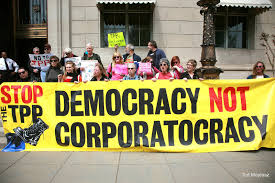
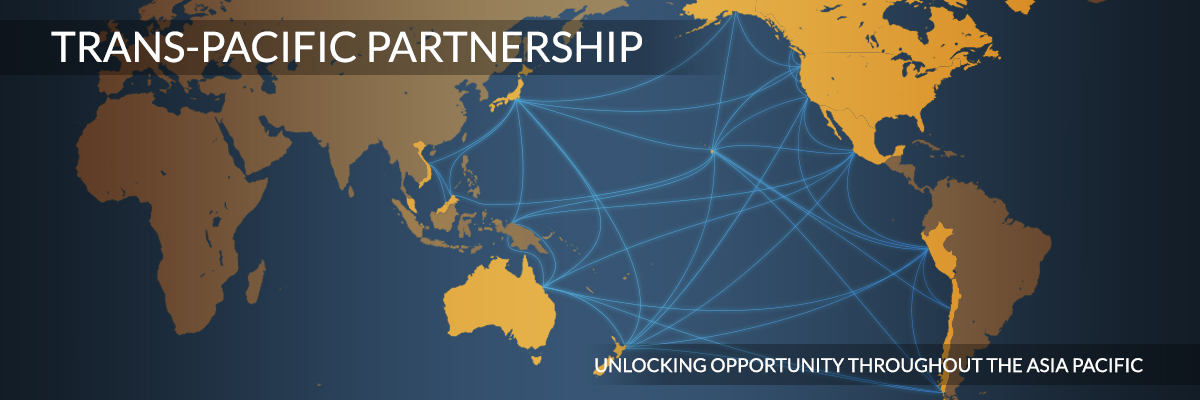
Failure to reach agreement over expanded intellectual property (IP) protections for medicines has proven to be a stumbling block to completion of the 12-country Trans Pacific Partnership negotiations. As expected, the US is continuing to pressure negotiating partners to adopt broader and longer monopoly protections for medicines. But the risks for their health systems are very high – and will be much higher if they don’t stick together in rejecting the US demands.

Finding The Right Balance Between IP And Access To Science

STRASBOURG – As UN Special Rapporteur Farida Shaheed prepares to finalise a second consecutive report on the connection between the right to science and culture and patent policy, two well-known academics took the floor at the University of Strasbourg Centre for International Intellectual Property Studies (CEIPI) recently to share their views and hopes for this long-awaited paper.

WIPO Patent Committee Agrees On Future Work, After Uncertainty

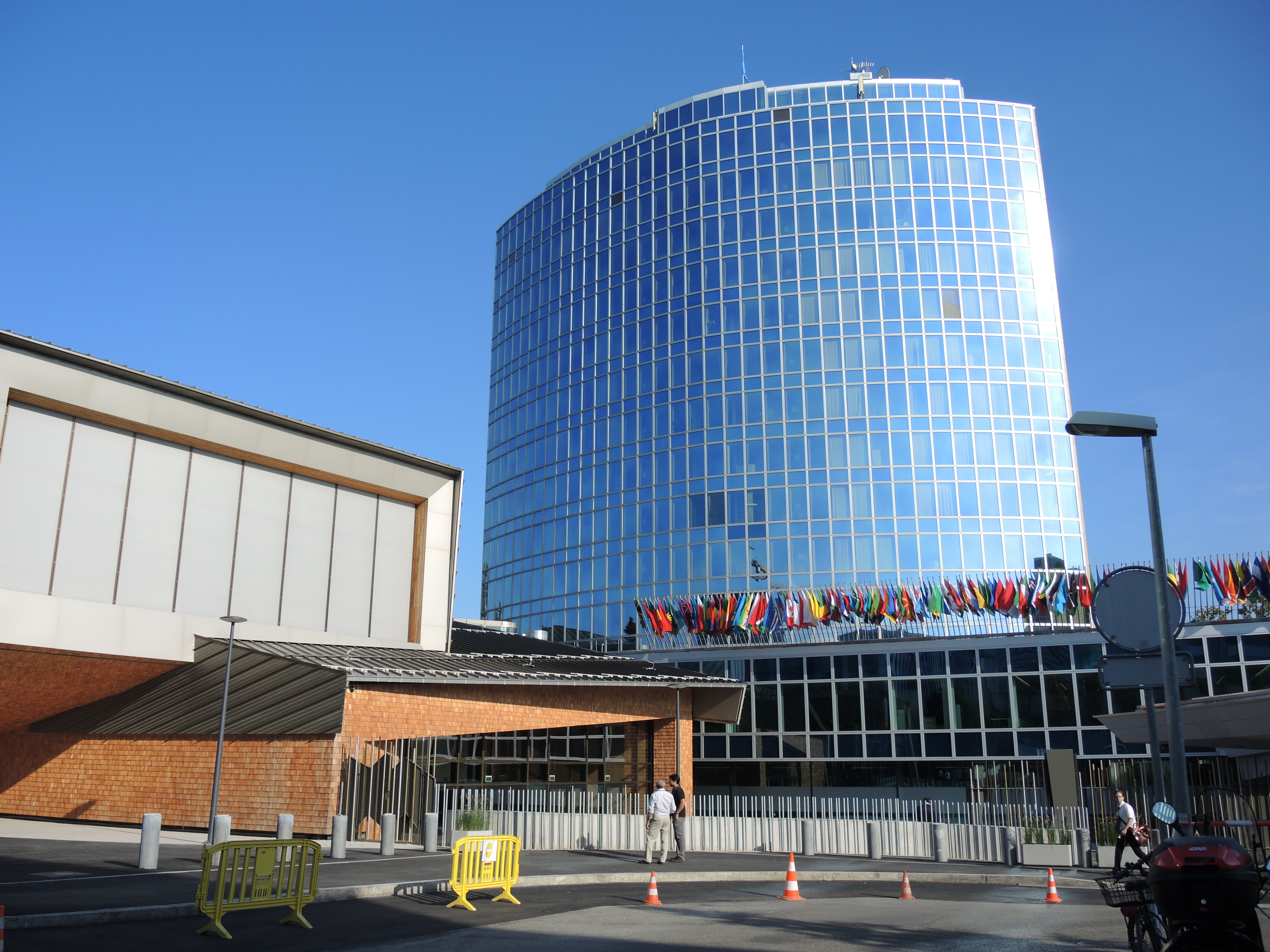
The World Intellectual Property Organization patent law committee today agreed on work programme going forward that includes a balance of North-South issues such as patent quality, patents and health, client-attorney privilege, technology transfer, and exceptions to patents. Agreement on the work program was difficult despite a comparatively fast-moving week of progress on these same areas of work.

Medicines Patent Pool At 5 Years: Promises Kept, Changes Ahead – An Interview With Greg Perry

The Medicines Patent Pool in Geneva is celebrating five years of existence this month. MPP Executive Director Greg Perry sat down with Intellectual Property Watch Catherine Saez to describe progress made since its inception, the success of its licensing agreement model, and plans for the future, including a possible extension to other diseases such as tuberculosis and hepatitis C.

New Agenda Adopted For WIPO Committee On Patent Law

The World Intellectual Property Organization committee on the law of patents got a slow start this morning as delegates did not agree on the draft agenda submitted by the secretariat for this session. After informal consultations during the morning, WIPO members accepted a draft revised agenda proposed by the committee chair.

Decision Time On Biologics Exclusivity: Eight Years Is No Compromise

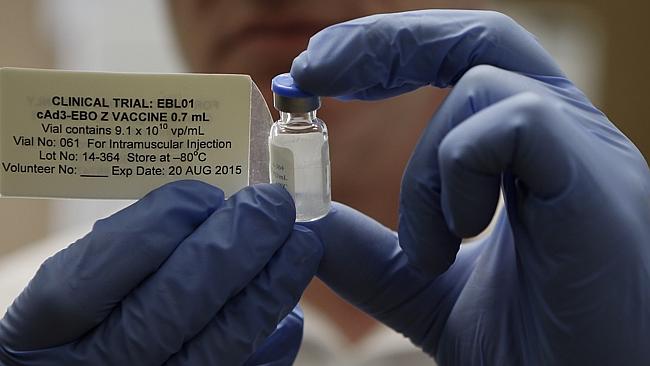
Burcu Kilic and Courtney Pine write: As the Trans-Pacific Partnership (TPP) negotiations approach their endgame, biologics exclusivity is still considered “one of the most difficult outstanding issues in the negotiation.”[2] Pharmaceutical companies seek longer data and marketing exclusivities to further delay market entry of cost-saving biosimilar drugs. Data exclusivity prevents follow-on pharmaceutical developers from relying on originators’ test data submitted for marketing approval while seeking such approval for its own product. The World Trade Organization’s (WTO) Agreement on Trade-Related Aspects of Intellectual Property Rights (TRIPS) requires some protection against unfair competition for this sort of data, but it does not require countries to adopt rules conveying exclusive rights over it in the same way as it does regarding patents.[3] Currently, the US provides 12 years of exclusivity for new biological products under the Biologics Price Competition and Innovation Act (BPCIA).[4] The provision providing 12 years exclusivity was buried inside the 20,000-page healthcare law, The Patient Protection and Affordable Care Act. A robust debate over what would be an appropriate exclusivity period, if any, was overshadowed by other controversial aspects of the bill commonly referred to as Obamacare.

WIPO Patent Law Committee Seeks To Overcome North-South Divide On Priorities

The World Intellectual Property Organization patent law committee meets this week with a work programme reflecting strong interests that are not equally shared by member states. Developed countries in the past have focused on ways to share work between patent offices, while developing countries would favour more time being spent on limitations and exceptions to patent rights, in particular in the area of health.

India IPR Policy Update: Final Draft Circulated

The final draft of India’s national intellectual property policy has been circulated for inter-ministerial consultation and will be sent to the Cabinet for approval after receiving comments, the Ministry of Commerce and Industry said this week. Meanwhile, today public health groups in India announced that revocation of a Roche pharmaceutical patent has been upheld under Indian law.