Category Health & IP

Gilead’s Use Of Patents For $10B Tax Dodge Could Ignite Move For Policy Change

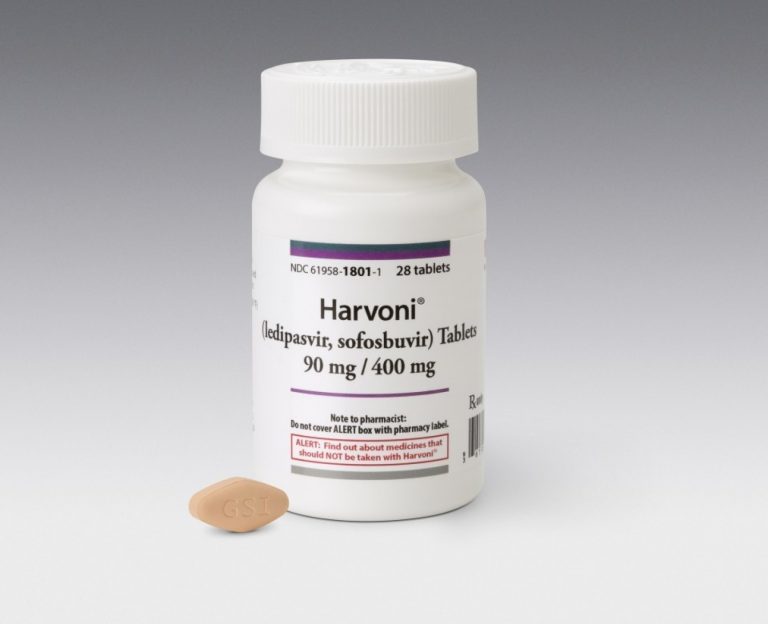
Gilead is the US company whose use of patents to charge $1000 per pill for a hepatitis C medicine in the United States helped make high drug prices a developed country household issue and fodder for elected officials seeking change. Now the company has come under further fire after being found to have moved some US$10 billion overseas to avoid US taxes - even after having received US taxpayer support for its activities - which it orchestrated by moving its patent rights overseas. A new report detailing the company's tax dodge includes a proposal for a way to clamp down on this type of patent activity.

US Industry Airs Hopes, Frustrations On IP Rights In India

What do global innovators make of India’s new National Intellectual Property Rights Policy? A recent discussion on “India’s National IPR Strategy: A View from Global Innovators” in Washington DC attempted to assess the opportunities and challenges ahead from the perspective of American companies.

The Dutch & Pharma Policy: A Groundbreaking Presidency

The Netherlands’ Presidency of the European Council proved to be far from quiet in relation to pharmaceutical affairs. June 17 was the concluding Health Ministers Council (EPSCO) that signed off the most strongly-worded conclusions Brussels observers can recall. The meeting signaled the end of an overall successful and impactful Presidency in the highly sensitive field of medicines. The past semester has been eventful to say the least.

Access To Medicines Resolution Adopted By UN Human Rights Council

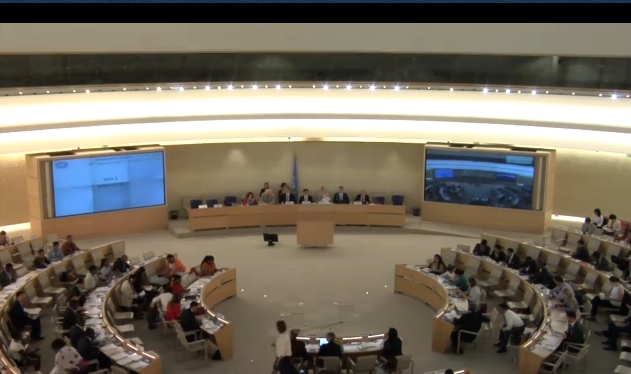
A resolution on access to medicines proposed by a number of developing countries was adopted today by the United Nations Human Rights Council, as well as a resolution on enhancing capacity-building in public health. This marks yet another United Nations fora in which developing countries seek to raise the issue of access to medicines, particularly with regard to high prices.

Embassy In London Under Siege, IP A ‘Neo-Liberal Pillar’, Ecuador Minister Says

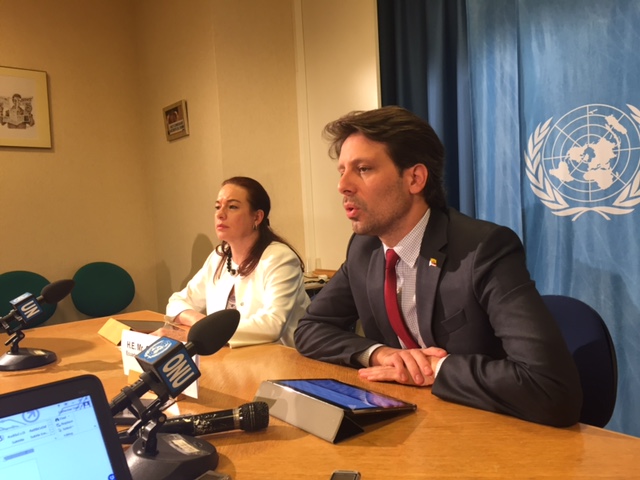
A top Ecuadoran official said today at the United Nations in Geneva that WikiLeaks founder Julian Assange’s health is deteriorating after four years confined in the Ecuadoran embassy in London, while the United Kingdom and Sweden are ignoring the findings of the UN Working Group on Arbitrary Detention which called for Assange’s release. The Ecuadoran Minister of Foreign Affairs also said Ecuador will carry on issuing compulsory licences for medicines as it sees fit, underlining the increasing role of intellectual property and the greater privatisation of knowledge.