Category Health & IP

EU Committees Amend SPC Manufacturing Waiver, Push Access To Generics, Biosimilars

The European Parliamentary Committees on Health and Trade have each voted in recent weeks to adopt amendments to the proposed Special Protection Certificate (SPC) manufacturing waiver, an intellectual property exception for the EU generic and biosimilar industry. The amendments include provisions that push the waiver toward increasing EU generic and biosimilar industry competitiveness in EU markets, and improving access for EU patients to affordable medicines. The waiver and amendments still have several hurdles to go, including a vote by the Legal Affairs Committee planned for January.
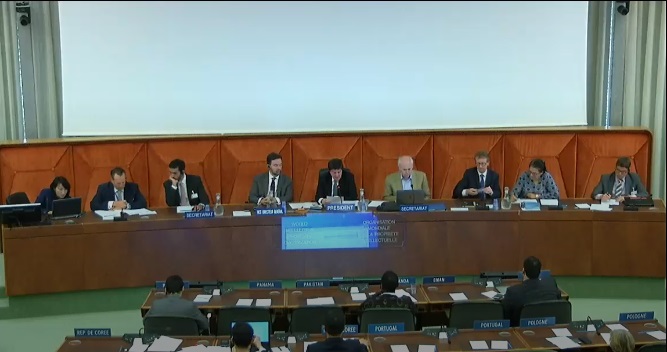
Licensing Experts Share Experiences At WIPO

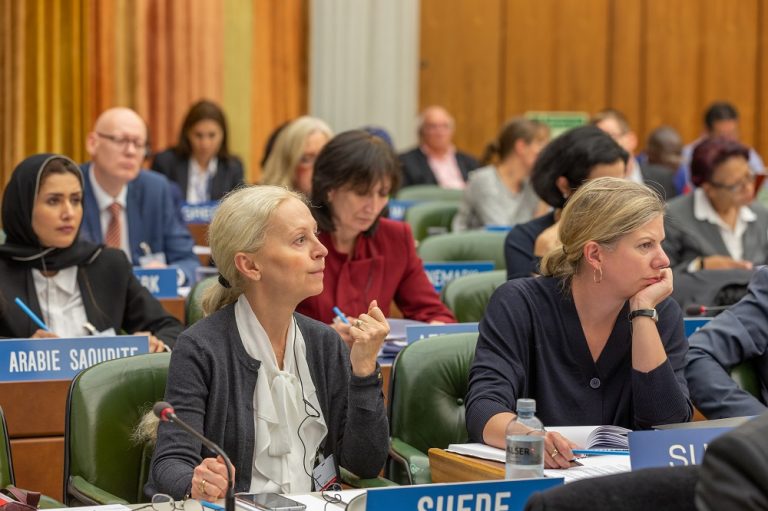
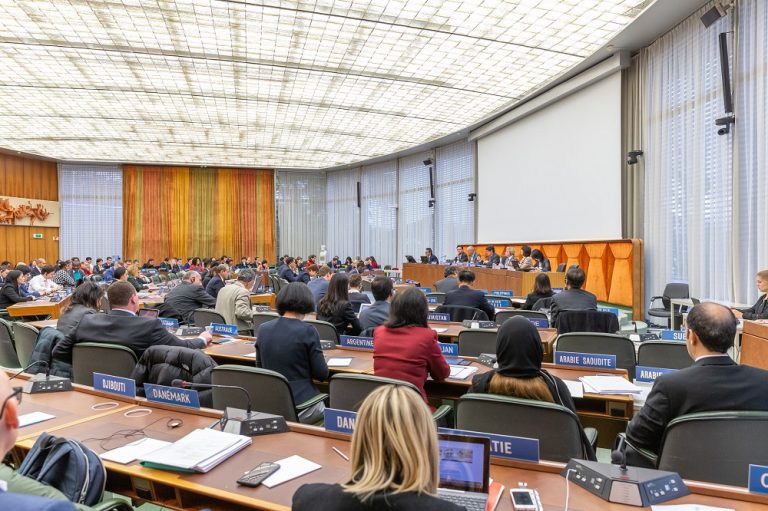
Voluntary licences are cited by some as the best way to facilitate access to medicines. Terms of the licences are important, many factors have to be taken into consideration, and the earlier the better, as explained by licencing experts at the World Intellectual Property Organization this week.

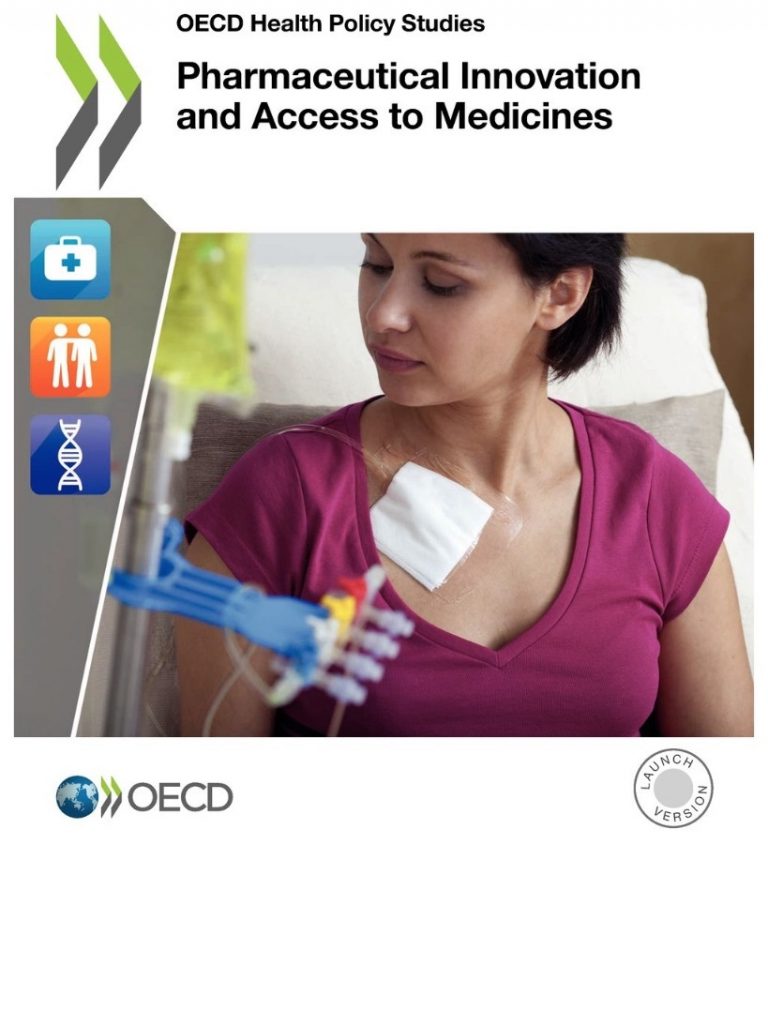
OECD Report Presents Policies To Balance Innovation With Access To Medicines

The Organisation for Economic Cooperation and Development (OECD) has released a new report that presents policy options for countries to strike a better balance between promoting financial incentives for pharmaceutical innovation and ensuring affordable access to medicines. Finding this balance, the report explains, will be essential for ensuring the sustainability of health systems.

Transparency Of Patent Status Key For Health Actors: Databases Presented At WIPO

Information on the status of patents can be key for medicines procurement agencies seeking to know if they can source cheaper generic products. Several databases providing free information on patent status were presented yesterday at the World Intellectual Property Organization. The World Health Organization, also invited, hailed the efforts, but warned against listing follow-on patents, which could confuse procurement professionals. And a prominent molecular biologist, chief executive of a patents-and-scholarly database, called for breaking silos to advance innovation.

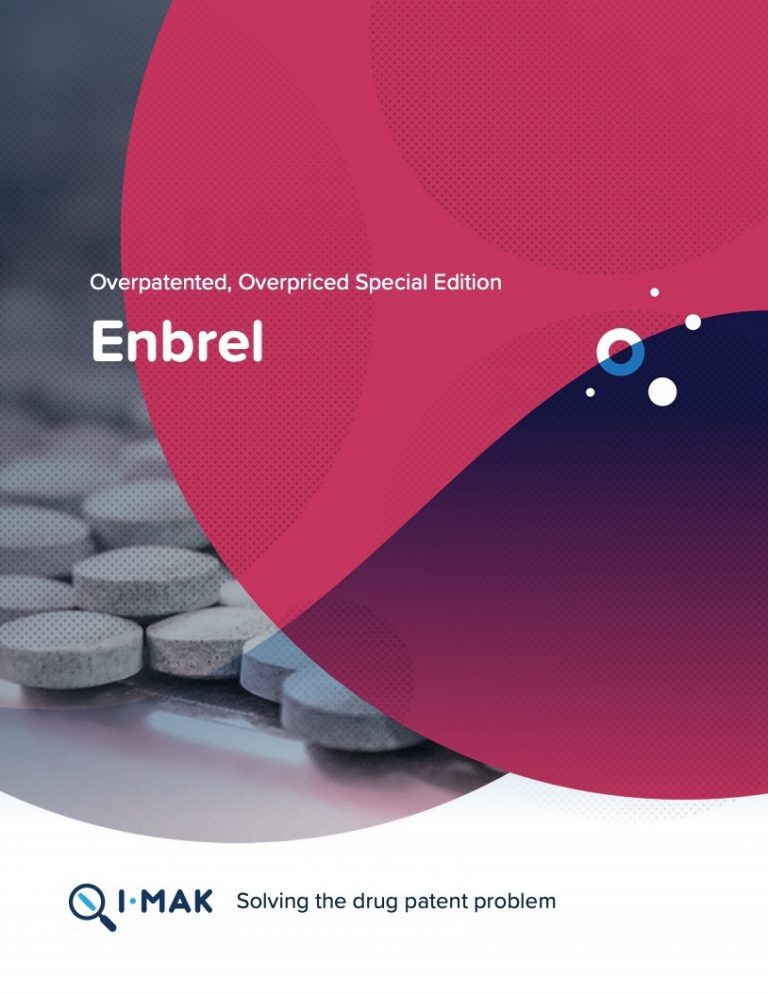
Study Finds Arthritis Drug Enbrel Overpatented, Overpriced in US

Initiative for Medicines, Access & Knowledge (I-MAK) released a new study yesterday showing that the rheumatoid arthritis drug Enbrel has been overpatented by drugmaker Amgen, which has filed a total of 57 patents on the drug in the United States. Together, these patents were said to delay market competition by 39 years, rather than the standard 20 years for one patent. The study found that this market exclusivity for Enbrel resulted in US$ 8 billion dollars in sales in 2017 alone.

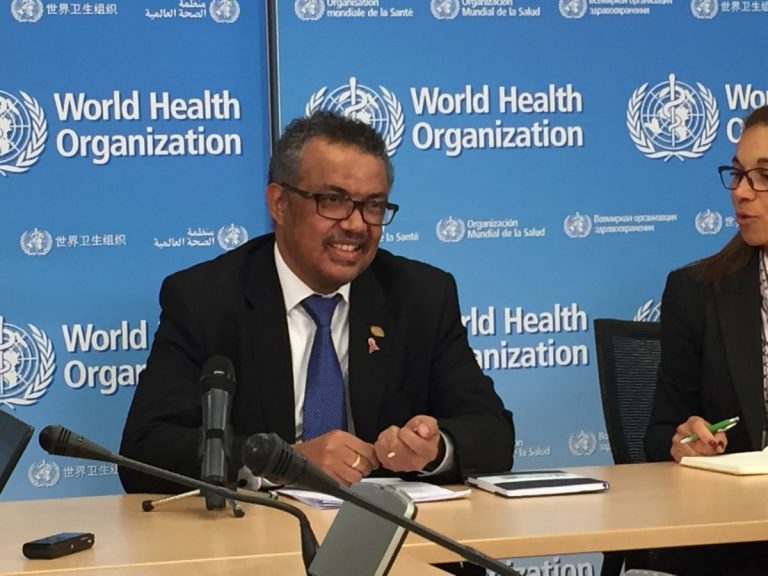
WHO Director Tedros Gives Thoughts On Access To Medicines, Gene Editing, Ebola

World Health Organization Director General Tedros Adhanom Ghebreyesus (Dr Tedros) met with United Nations journalists today, in what he said would become a regular end-of-the-year meeting with the press. He gave an update on the ongoing Ebola outbreak and his views on the recent human gene editing by a Chinese researcher, and on the use of gene drive organisms to fight malaria. He also provided his views on access to affordable and safe medicines.

Conferences On Medicines Patent Information, Patent Office Cooperation, At WIPO This Week

The World Intellectual Property Organization patent law committee meeting this week will convene two half-day conferences, one on cooperation between patent offices, and the other on publicly accessible databases on patent information on medicines and vaccines. Other topics for discussion will be patents and health, confidentiality of communications between patent applicants and their advisors, quality of patents, and the research exception.

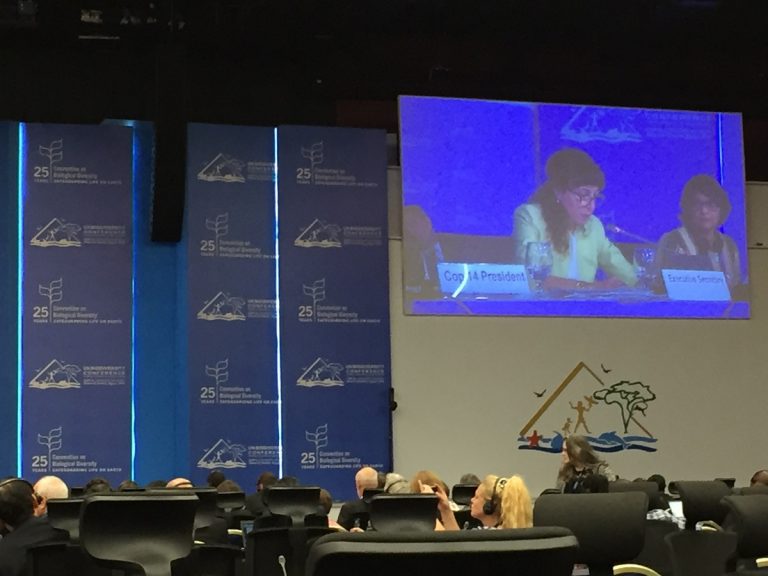
CBD Biennial Meeting Closes With Resolutions On Digital Sequence Data, Conflicts Of Interest, Global Benefit-Sharing

The biennial meeting of the Convention on Biological Diversity and its protocol on access and benefit-sharing closed yesterday with a list of adopted decisions. Among them was a decision to commission several studies on the impact of digital sequence data on the CBD for a recommendation at the next meeting in 2020. Delegates also agreed on a study to examine cases of genetic resources, and traditional knowledge associated with genetic resources, not yet covered by the protocol. Also adopted is the first decision on the management and prevention of conflicts of interest in expert groups.

New Database Documents The Power Of TRIPS Flexibilities

Ellen 't Hoen writes: Medicines Law & Policy has published an on-line database of instances of the use of TRIPS flexibilities in public health contexts, titled the TRIPS Flexibilities Database. The publication of the TRIPS Flexibilities Database merits sharing a bit of its history because it has been a work in progress for some time. The database includes cases of actual use of TRIPS flexibilities and instances in which countries planned or threatened to use them. The collection of such cases started ten years ago as part of a research project to document and examine the uptake of the flexibilities contained in the TRIPS Agreement in medicines procurement.