Category Finance

IP Rights Through Two Lenses At Next Week’s TRIPS Council: Improving Lives, Competition Law

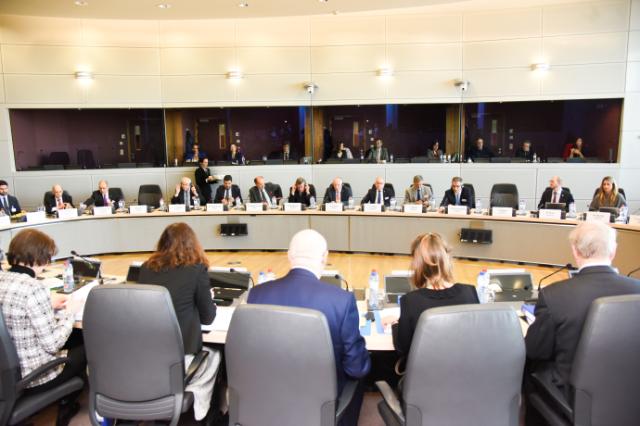
Next week, the World Trade Organization intellectual property committee is invited to discuss two distinct aspects of intellectual property protection. One group of countries is proposing to explore the value of IP and its role in improving lives in a persistent agenda item on IP and innovation. Another group of countries is pushing for a more recent agenda on IP and the public interest and next week is suggesting to discuss how to use competition laws against the abuse of IP rights.

MPP Board Gives Green Light To Expansion, Now Has To Identify Candidates

The Medicines Patent Pool announced this week that its Board agreed on the extension of the MPP mandate to patented medicines on the World Health Organization Essential Medicines List. The decision follows an extensive feasibility study. During a side event held on the margins of the annual World Health Assembly, Patent Pool officials explained the findings of the study, while in the audience, a representative of the pharmaceutical industry suggested a cautious approach.

WHA Agrees On Recommendations To Reinvigorate Plan Of Action To Boost R&D, Access

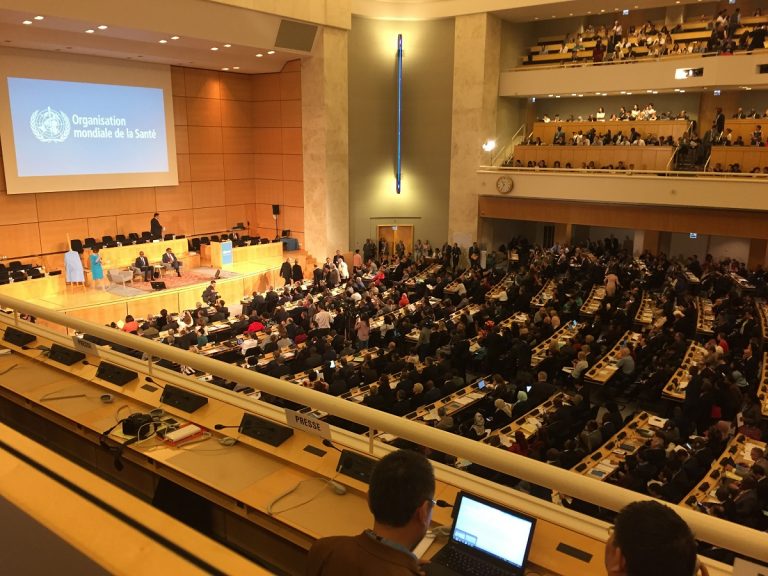
Ten years after the adoption of a World Health Organization plan of action meant to stimulate innovation for diseases that disproportionately affect developing countries, and with very little to show for it since, delegates at the World Health Assembly this week agreed to a number of recommendations to reinvigorate the effort. How to finance the implementation of those recommendations, however, is unclear.

Ingredients For WHO Roadmap On Access To Medicines At Civil Society Side Event

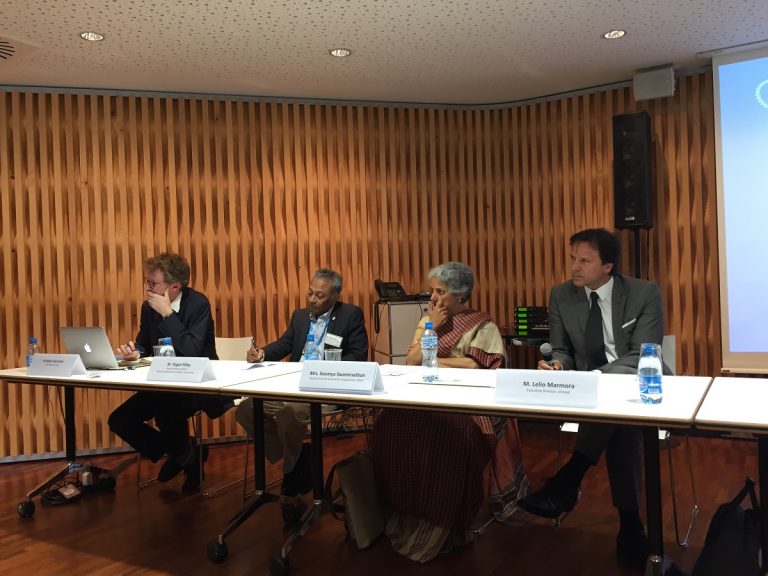
On the side of this week’s World Health Assembly and hours before the Assembly agreed on preparing a roadmap on access to medicines, two civil society groups held an event on the same subject. The Brazilian ambassador, a senior official from the Netherlands, and a WHO assistant director general among others delivered their thoughts on the issue and the way forward. Key words were high prices, transparency, and trade flexibilities.

Women And IP As Topic To Be Pursued At WIPO Committee On Development And IP

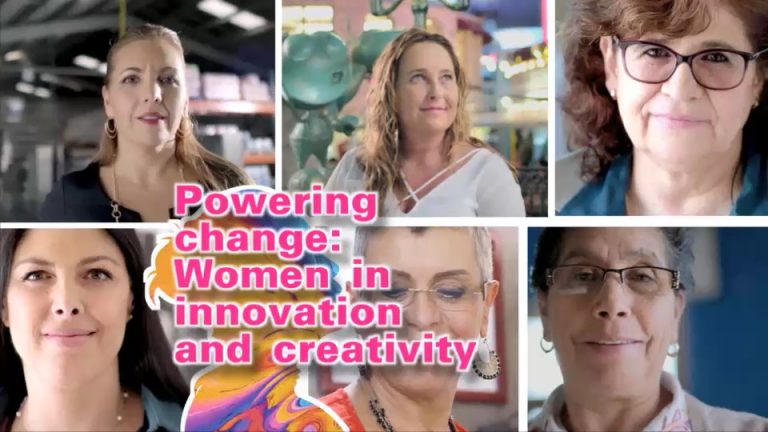
In the wake of the annual intellectual property day this year focusing on women, the World Intellectual Property Organization Committee on Development and IP this week agreed to discuss women and IP at its next session, as the first topic under a new agenda. The committee also agreed to a new project on the role of women in innovation. In other areas, more discussions are foreseen on whether regular international conferences on IP and development can be approved, and on recommendations by an independent expert group on the implementation of the WIPO Development Agenda.

The Patent Paradox In Brazil And Its Implications For Access To Medicines

Brazil is frequently pointed to as one of the countries in which fewer pharmaceutical patents are granted. The fact that there is a low number of patents granted could lead to the conclusion that medicines can be bought under competition and that the prices would be low. However, many medicines in Brazil are bought exclusively from one producer and usually at high prices. The situation of few granted patents, but many purchases under exclusivity due to absence of competition (which can lead to higher prices), is what we are calling the ‘patent paradox in Brazil’. In the absence of granted patents, what are the factors that lead to the situation of no competition and high prices in Brazil? This is the question that we, at the accessibsa: Innovation & Access to Medicines in India, Brazil & South Africa, aim to answer with a study currently being conducted at the Department of Medicines Policy and Pharmaceutical Services (NAF) of the Sergio Arouca National School of Public Health – ENSP/Fiocruz.


Groups Target EU-Mercosur FTA To Advance Access To Health In Trade Deals

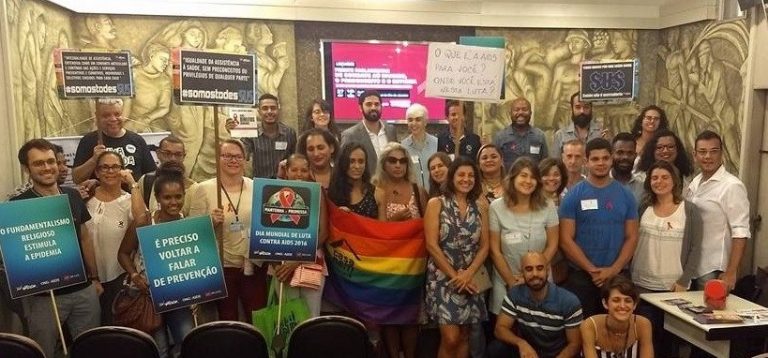
AIDS activists, health activists and civil society organizations in Brazil and Argentina are pushing back against the negative effects of the planned free trade agreement between the Mercosur countries and the European Union. The EU-Mercosur negotiations might be the best chance as of now to advance an intellectual property agenda that is more favourable to access to health, says Pedro Villardi, coordinator on IP policy issues at the Associação Brasiliera Interdisciplinar de Aids Observatorio National de Politicas de Aids (ABIA).