WIPO Amends Patent Cooperation Treaty Fee Schedule
World Intellectual Property Organization members have approved an amendment to the Patent Cooperation Treaty (PCT) aimed at lowering fees for a greater number of users.

Original news and analysis on international IP policy
World Intellectual Property Organization members have approved an amendment to the Patent Cooperation Treaty (PCT) aimed at lowering fees for a greater number of users.

Health Action International Europe, and Oxfam today issued a briefing paper entitled, “Trading Away Access to Medicines: How the European trade agenda continues to undermine access to medicines.” The paper argues that new concerns such as the ebola virus and the threat of unchecked antimicrobial resistance show the need for a new model for financing pharmaceutical research and development.
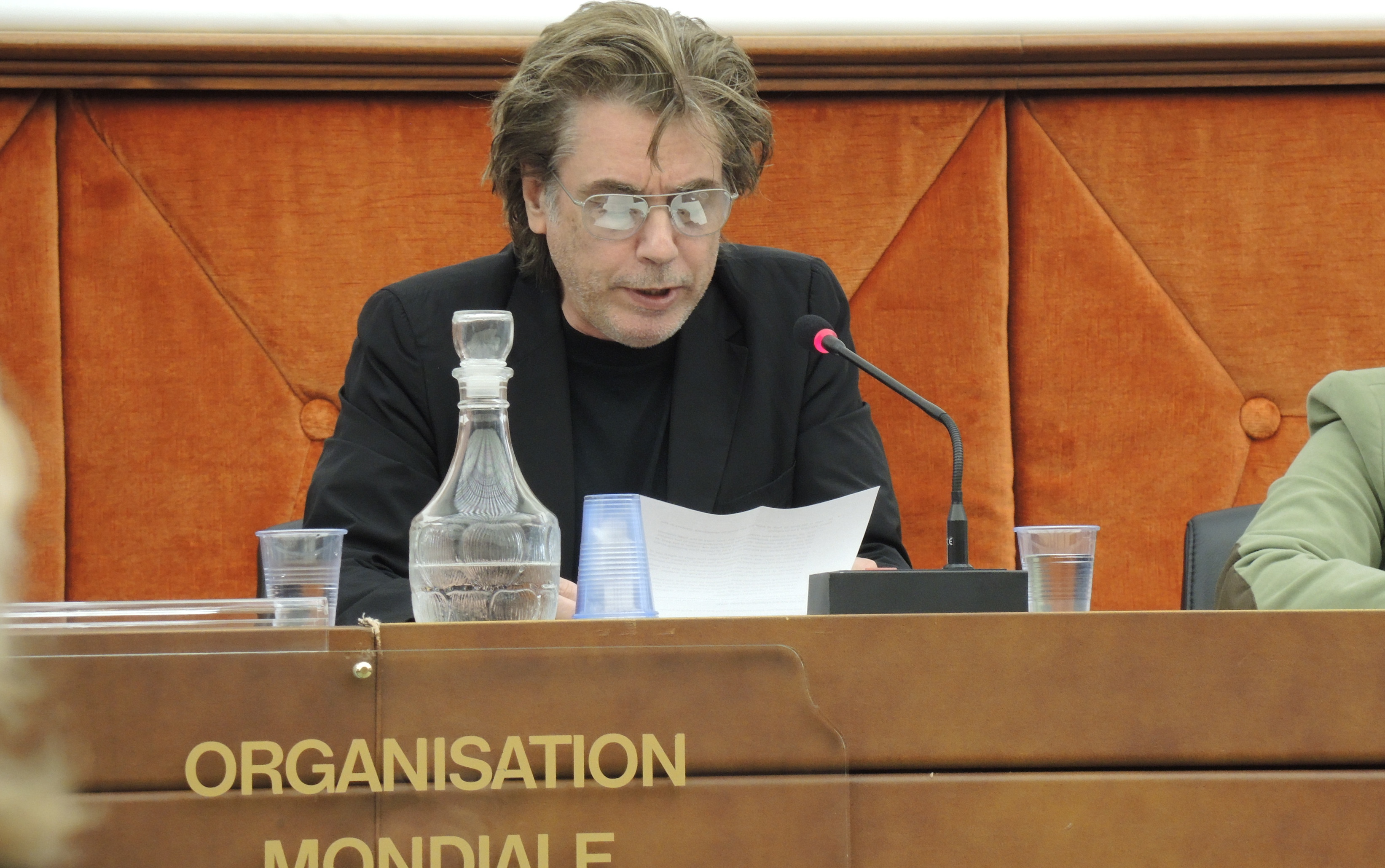
Creative artists came to this week's World Intellectual Property Organization General Assembly to encourage governments to build a sustainable future for creators and ensure fair remuneration for their work. This may mean looking for ways to redistribute the value of content.
Some of the leading patent-filing nations this week renewed an effort to harmonise procedures for filing patents in their national offices. Image Credits: Eric Bridiers, US Mission
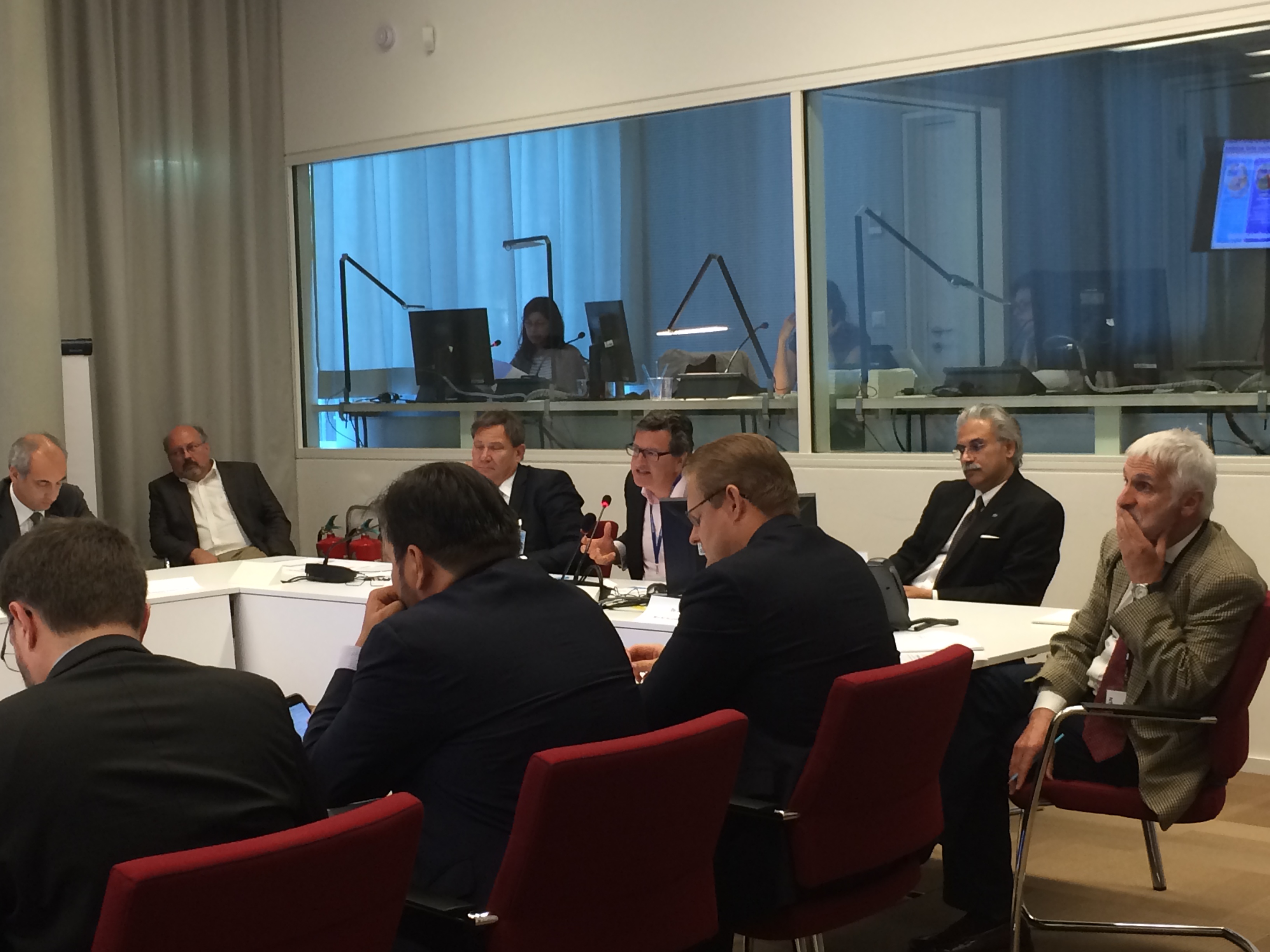
A side event to this week’s World Intellectual Property Organization annual General Assembly highlighted the work of the Geneva-based Medicines Patent Pool in fighting HIV/AIDS, and discussed whether it makes sense for the patent pool model to be extended to other diseases.

At the outset of its annual General Assembly this week, the World Intellectual Property Organization inaugurated a state-of-the-art new conference hall which has already drawn attention for its prominent position overlooking the Place des Nations in Geneva.

South Korea is now considered one of the most influential countries in the IP field. Intellectual Property Watch exchanged a set of questions for Kim Young-min, commissioner of the Korean Intellectual Property Office (KIPO) since 2013, speaking about KIPO’s policies for increasing international cooperation, reducing first action pendency, and preventing “bad faith” trademark applicants in Korea from making unfair profits.

A number of side events have been scheduled during the annual General Assemblies of the World Intellectual Property Organization this week. The range of events are organised by WIPO as well as governmental and non-governmental organisations working in areas such as public health, finance, copyright, geographical indications and innovation.

The World Intellectual Property Organization is a successful United Nations agency if success is measured by its generated income and the number of international registrations of intellectual property titles. However, in its role as a norm-setting United Nations agency, the organisation has been struggling for the past year as member countries have quite a different view on its core objectives.
The powerful World Intellectual Property Organization Program and Budget Committee in its recent meeting worked through a tough agenda of core decisions about the UN organisation’s functioning and future. The committee reached decisions on key issues related to strengthened oversight, the 2014-2015 programme, and financial issues, but couldn’t break through on issues like new WIPO field offices, streamlining committee meetings, accounting for development expenditures, or funding indigenous representatives to participate in WIPO negotiations.

European Union governments may allow libraries to digitise books in their collection without rights owners' consent in order to make them available at electronic reading posts, the European Court of Justice (ECJ) said on 11 September. If library users want to print works out on paper or store them on a USB stick, however, rights holders must be fairly compensated.
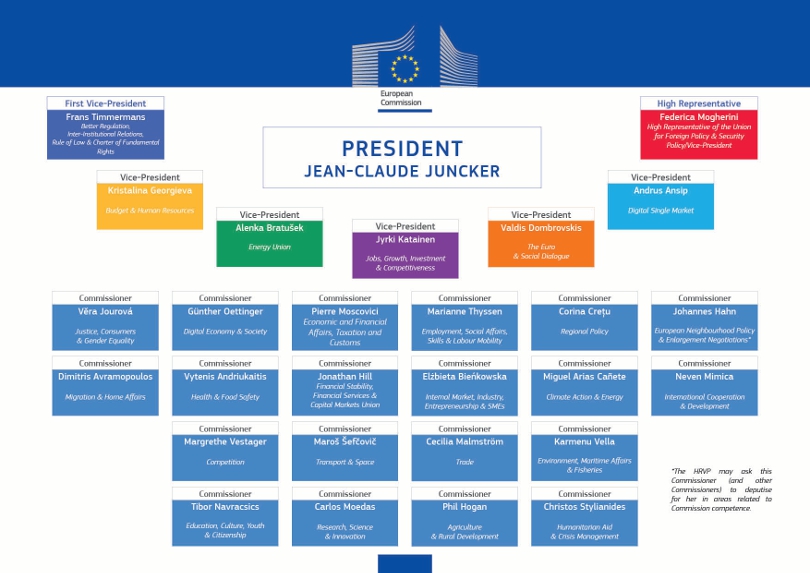
The structure of new European Commissioners and top officials was announced today, showing changes to the handling on intellectual property issues and many others.