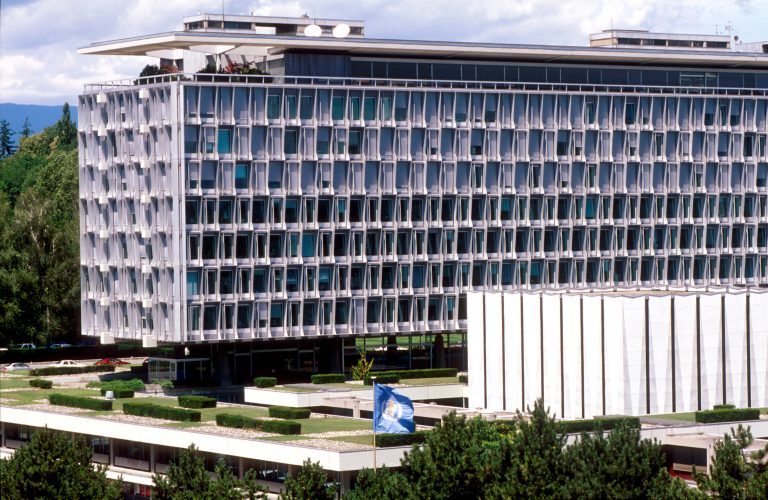
WHO Names New Leadership Team
The World Health Organization today announced the new leadership team for the UN agency, with a range of geographic representation and a majority of women in the top posts.

Original news and analysis on international IP policy
The World Health Organization today announced the new leadership team for the UN agency, with a range of geographic representation and a majority of women in the top posts.
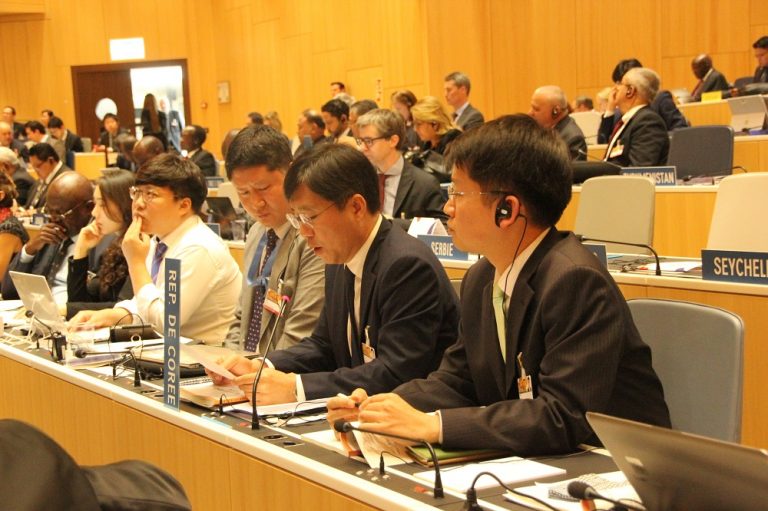
Korean Intellectual Property Office (KIPO) Commissioner Sung Yunmo took office a couple of months ago and is attending the annual World Intellectual Property Organization General Assembly this week. In that context, he sat down with Intellectual Property Watch, and in a Q&A mutually prepared Q&A, he described some of the policies and plans for his term of office, collaboration with WIPO, international partnerships, a proposed WIPO office in Korea, and regional efforts toward global harmonisation.
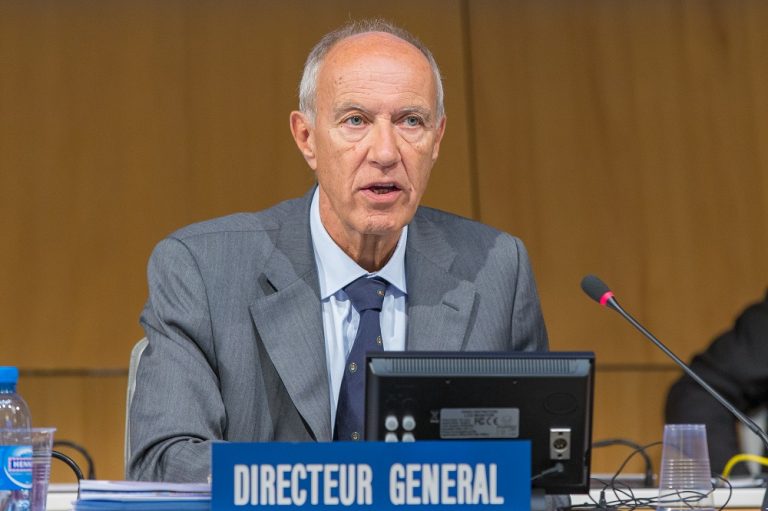
The annual World Intellectual Property Organization General Assembly opened today for 10 days during which delegates have to agree on budget, and on several decisions which might lead to more normative activities on the part of the organisation, although impatience is not equally shared depending on subjects. Separately, the United States submitted a new proposal on the budget, and the European Union tabled a proposal on a new mandate for the WIPO genetic resources and traditional knowledge committee.
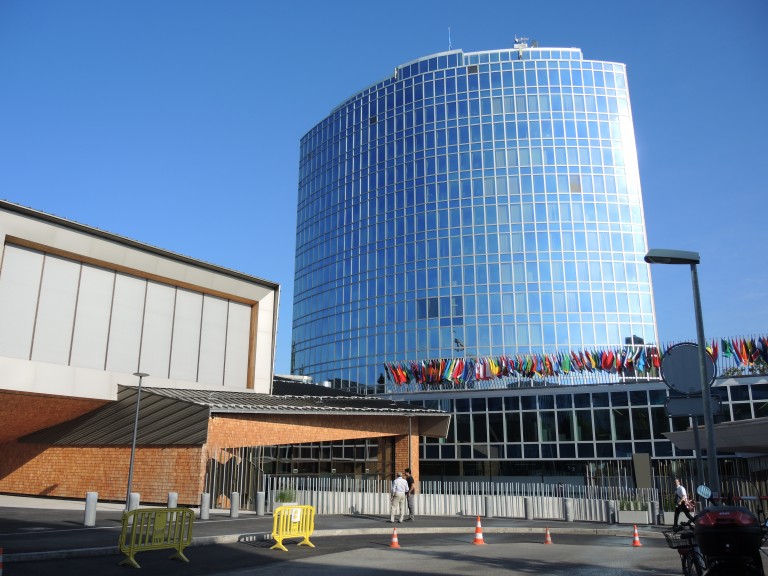
The annual UN World Intellectual Property Organization General Assemblies kick off this week for ten days during which delegates will have to find consensus on the budget for the next biennium, 2018/2019. Also on the agenda is the potential renewal of, and a proposed work programme for, the committee on genetic resources and traditional knowledge. WIPO delegates will also decide if they want to convene a high-level final negotiation for a design law treaty, and provide guidance on the work of the WIPO committee on copyright. A decision on which countries should host the next WIPO field offices has also been left to the General Assembly.
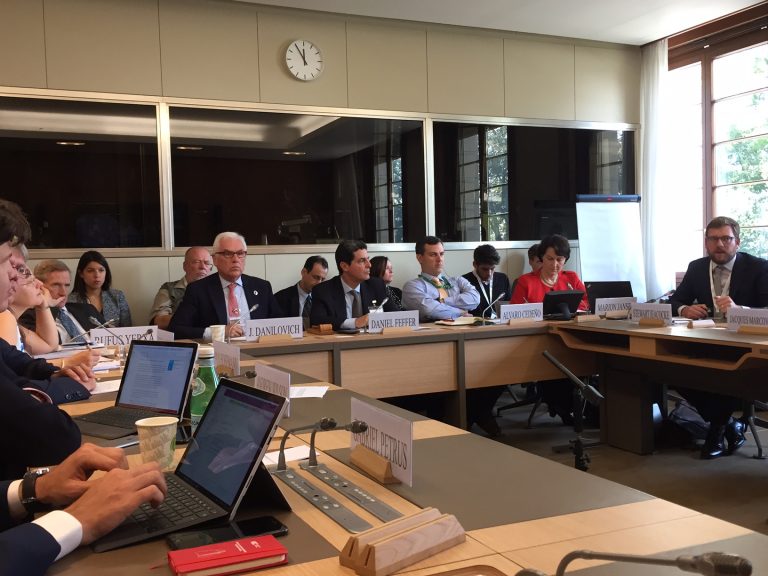
As protectionism tempts some, the International Chamber of Commerce Brazil is launching an initiative to bring new technologies to the rescue of international trade. The new digital age holds promise and is inevitable, but requires solid policymaking and improvement in such areas as education and broadband coverage to deliver on its possibilities, panellists at the World Trade Organization Public Forum said today.
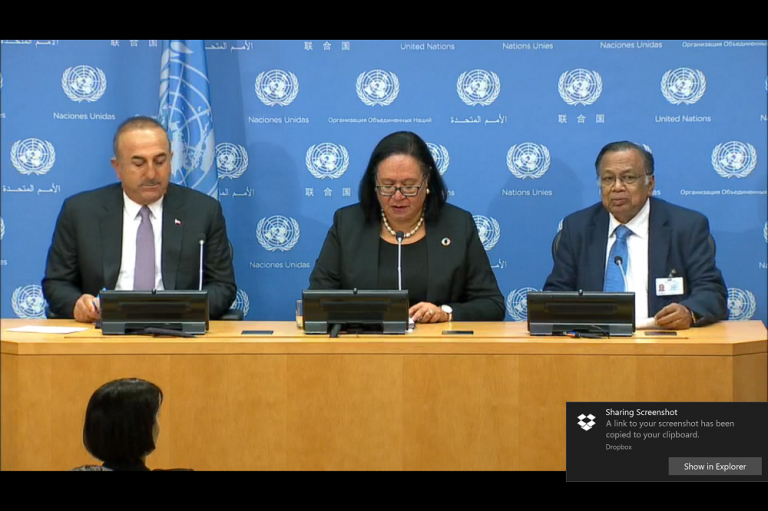
NEW YORK -- A new United Nations Technology Bank for least-developed countries aimed at growing technology transfer and intellectual property infrastructure across the 48 poorest nations became operational at last week’s annual UN General Assembly in New York. The bank’s creation represents the first target of the 2030 UN Sustainable Development Goals to be achieved.
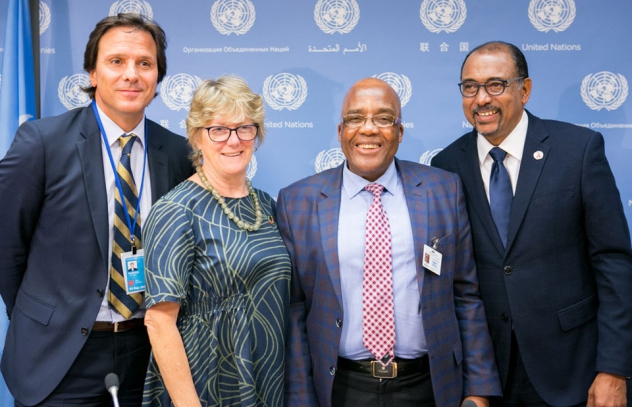
NEW YORK -- In the midst of the high-level meetings of the annual United Nations General Assembly last week, health officials from the UN and foundations announced what they called a breakthrough pricing agreement that will speed the availability of "the first affordable, generic, single-pill HIV treatment regimen containing [the key compound] dolutegravir to public sector purchasers in low- and middle-income countries at around $75 per person, per year." A senior official at Unitaid, the drug purchasing mechanism that helped reach the deal, explained to Intellectual Property Watch how it came about and why this is significant.
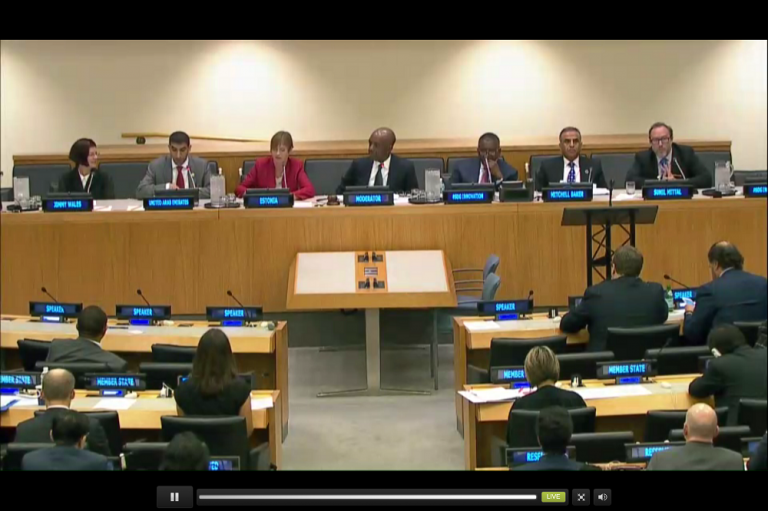
Governments and the private sector must work more closely together in the area of technology and innovation to make the United Nations Sustainable Development Goals (SDGs) a reality by 2030, government and major tech company officials said at today’s UN high-level event in New York. Today’s development problems won’t be solved with yesterday’s solutions but by all stakeholders – governments, civil society, youth, businesses and academia – working together, said General Assembly President Miroslav Lajčák. Everyone must have “fair access to technologies and innovations” and to training, he said.
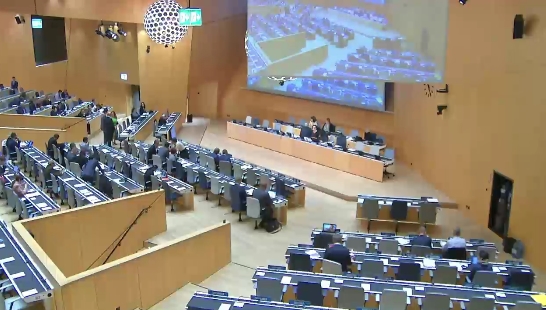
Discussions last week at the World Intellectual Property Organization on how international IP systems managed by the organisation are financed have introduced broader questions about core functioning. The WIPO budget for 2018/2019 was not approved in committee during the week, despite efforts by a small group of countries to find common language on changes to the financing of WIPO systems. A number of countries found the proposed changes in the financing of those different systems require deeper analysis on potential consequences, and asked for more time to consult with their capitals.
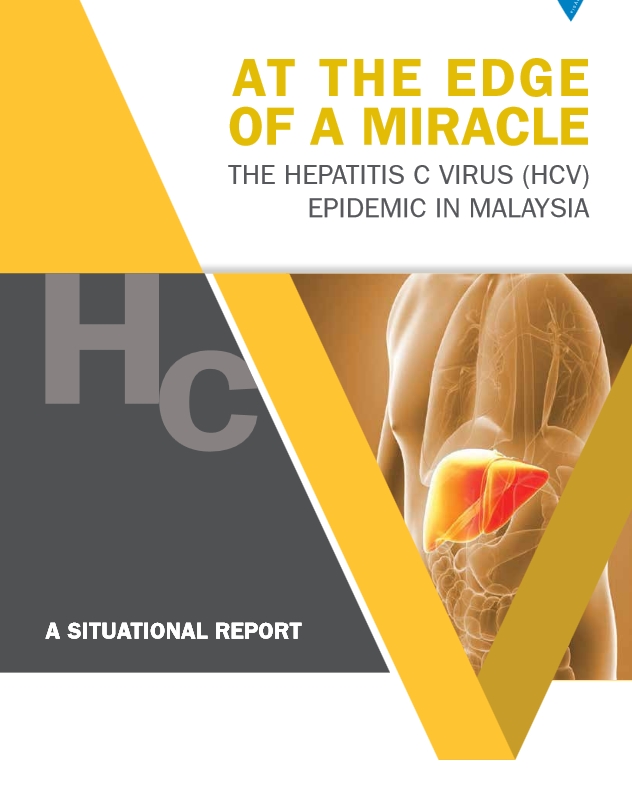
A much cheaper version of a groundbreaking hepatitis C medicine is expected to be available soon for the hundreds of thousands of hepatitis C patients in Malaysia, as it decided to grant a compulsory licence to sofosbuvir, according to sources. The decision comes right after the medicine originator decided to expand its voluntary licensing scheme to four more countries, including Malaysia. [Updated]

For the last two years, World Intellectual Property Organization delegates have been trying to tackle a seemingly unsolvable equation: too many candidate countries for four new WIPO external offices. Yet more time seems necessary to reduce the number of candidates, which show no sign of stepping down, insisting on the value of a WIPO external office. However, some doubts have begun to arise over the benefits of the expansion of WIPO's network of field offices.
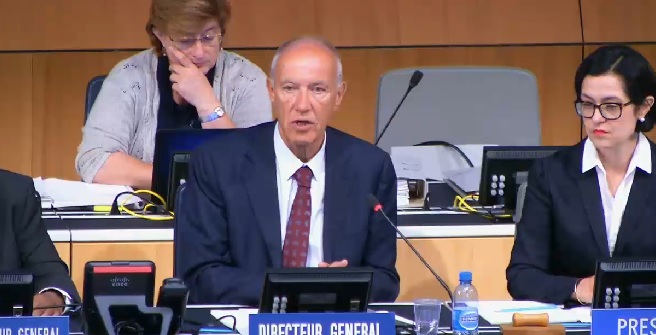
The Program and Budget Committee of the World Intellectual Property Organization this week is meeting for the second time this year. It is expected to consider the budget for the 2018/2019 biennium before the annual WIPO General Assembly next month. Delegates flew through the agenda today and had little to remark on audit and oversight reports, but the next days might give way to more discussions, in particular on the diplomatically thorny issue of which countries should host a WIPO external office. On a separate issue, the United States tabled a paper presenting an alternative methodology for allocating funds to WIPO-managed systems, reducing revenue reliance on a single global patent agreement.