Category Enforcement

For Ministerial, Developing Countries Seek Moratorium On TRIPS Non-Violation Complaints

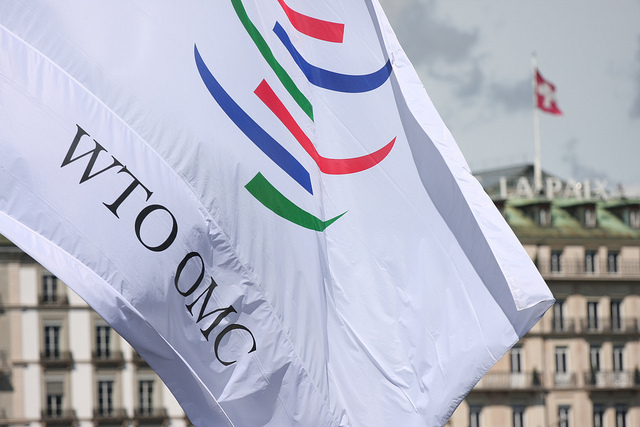
The ability for a member of the World Trade Organization to challenge another member for deprivation of benefits even though this member has not violated any given WTO agreement does not presently apply to intellectual property.

For years, the issue has been debated in the WTO intellectual property committee, with no conclusive outcome. Last month, a group of 17 developing countries submitted a draft decision for the upcoming WTO ministerial conference in December to lastingly ban intellectual property-related non-violation complaints, stepping ahead of the next meeting of the WTO IP committee to be held in October.

Trade Secrets: The ‘Reasonable Steps’ Requirement

Trade secret theft is a top risk for companies today. When the worst does happen and trade secrets are compromised, companies must prove that reasonable steps have been taken to protect a company’s crown jewels. But determining what "reasonable steps" are can be challenging. Governments have been vague about the term's definition; and laws and legislation continue to evolve on this issue. However, court actions do provide insight on the ‘reasonable steps requirement’ and point to the need for companies to embed trade secret protection into business operations to qualify as legal protection, writes Pamela Passman.

No Deal Overall, But TPP Ministers Agreed Some IPR Issues In Hawaii, US Says

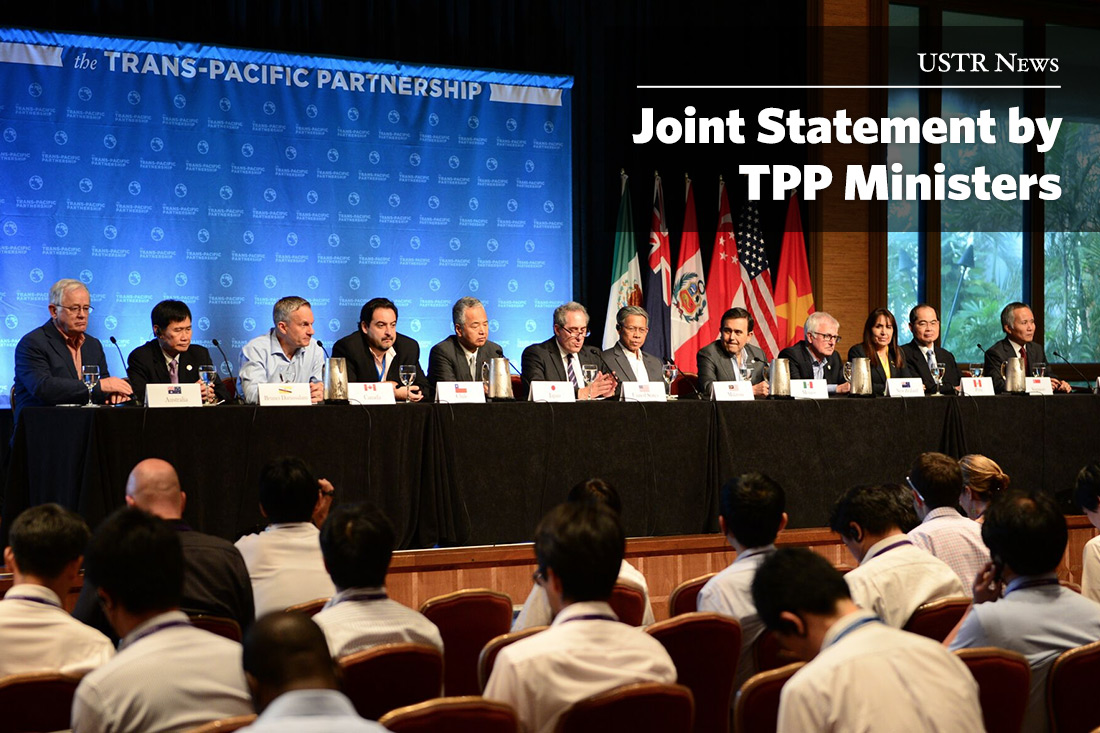
While the ministers of the 12 countries negotiating the Trans-Pacific Partnership (TPP) acknowledged they are still far apart on certain issues such as dairy, there were some areas of agreement in this week's negotiation in Hawaii, they said. Some of them appear to have been related to intellectual property rights, with particular mention of geographical indications (GIs).

Special Feature: Differences Over GIs Threaten 2016/2017 WIPO Budget Approval

The UN World Intellectual Property Organization is a member-driven agency set up to protect IP rights worldwide. In recent years, an area of dissension and debate has been how to make the organisation – and IPRs - friendlier to developing countries. This year, however, it has become a hotspot for the global debate between developed countries over protection of geographical indications, products of distinctive character deriving from specific locations.

The TPP’s Reckless Proposals For Damages Will Have Negative Impact On Future Reform Of IPR Regimes

James Love writes: This week negotiators from a dozen countries are meeting to finalize the rules for the Trans Pacific Partnership (TPP) trade agreement. When or if concluded, this massive regional trade agreement will set new standards for the grant of property rights in knowledge, and the enforcement of those rights.

The TPP chapter on intellectual property covers all intellectual property types included in Part II of the WTO's TRIPS agreement, plus some others, including not only patents, copyrights and trademarks, but also "undisclosed information", test data for the registration of drugs, industrial designs, layout-designs of integrated circuits. The rules in the TPP are intended by the United States to become global norms, effectively replacing TRIPS.

While there are plenty of issues in the TPP IP Chapter, this note only addresses one set of issues -- those relating to the remedies for the infringement of intellectual property rights. The remedies include such topics as injunctions, damages, and the seizure or destruction of infringing goods.