Category Enforcement

UK Proposes To Tighten IP Protections Online

The United Kingdom Digital Economy Bill, floated this week, aims to “enable access to fast digital communication services for citizens and businesses, to enable investment in digital communications infrastructure, to shape the emerging digital world to the benefit of children, consumers and businesses, and to support the digital transformation of government, enabling the delivery of better public services, world leading research and better statistics,” the UK government said in the document.

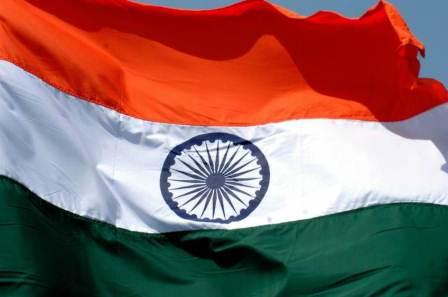
US Industry Airs Hopes, Frustrations On IP Rights In India

What do global innovators make of India’s new National Intellectual Property Rights Policy? A recent discussion on “India’s National IPR Strategy: A View from Global Innovators” in Washington DC attempted to assess the opportunities and challenges ahead from the perspective of American companies.

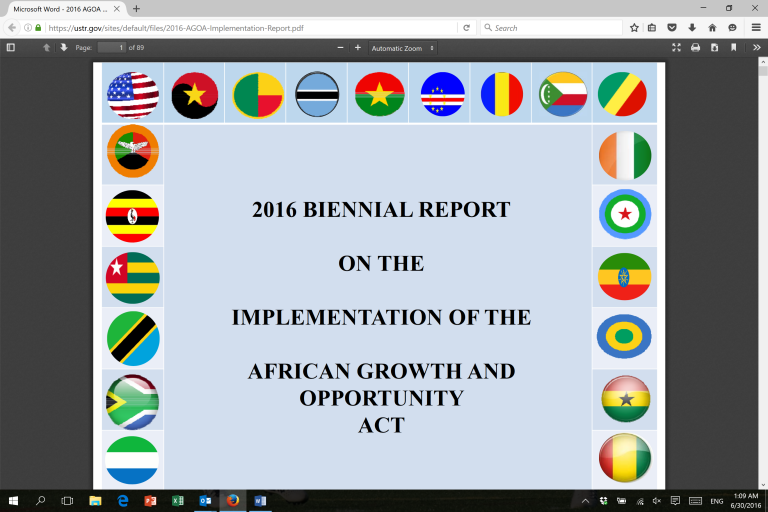
US Sees Weak African IP Protection, But Not Enough To Lose Unilateral Trade Benefits

The Office of the United States Trade Representative (USTR) today (29 June) released its annual report on the eligibility of African nations for unilateral trade benefits offered by the US. While some countries were praised for progress on intellectual property protection, others were found to be weak in this area, but none were removed from eligibility for that reason. Overall, reporting on IP rights varied widely in the report.

Russian IP Industry At Center Of Massive Scandal

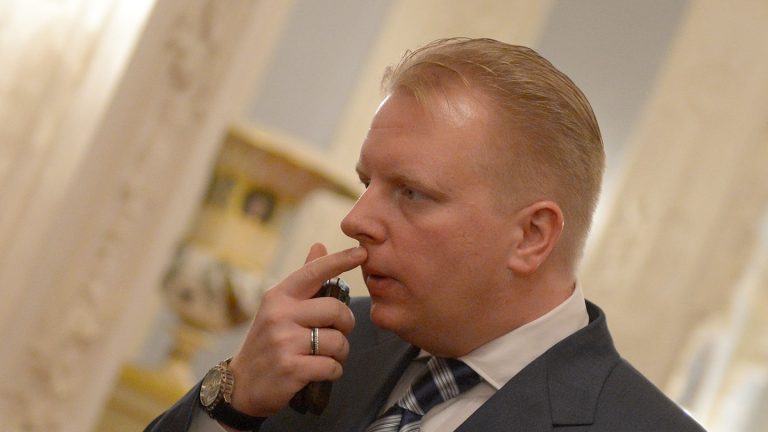
The Russian IP industry is in the center of a massive scandal, caused by the yesterday’s arrest of Sergei Fedotov, director general of the Russian Authors' Society (RAO), a public association, which is responsible for the collection and distribution of royalties among rights holders, on the suspicion of multi-million dollar theft and withdrawal of funds to abroad.

Clinton Lays Out Presidential Tech & Innovation Plans

US presidential candidate Hillary Clinton has issued highlights of her plan to boost the nation's competitiveness in and attention to technology, internet and innovation if elected. The platform hits many of the latest issues and buzzwords in those fields, continuing existing programs but also pushing further in some areas. Among the plans: appoint a chief innovation advisor, reduce frivolous patent litigation, support allowing the US Patent and Trademark Office to keep its fees, boost access to orphan copyrighted works and open licensing, support multi-stakeholder internet governance, and keep the internet open worldwide. Clinton also gave a nod to personal privacy online and took a jab at the SOPA bill that was defeated for over-reaching on behalf of IP rightsholders.

National Parliaments Not Needed For CETA Approval, European Commission President Juncker Says

European Commission President Jean-Claude Juncker said today that the European Union would not include national parliaments of EU member states in the final decision on the Canada-EU Trade Agreement (CETA). Juncker's CETA statement was made during the post-Brexit meeting of EU heads of state in Brussels today (28 June), several German newspapers reported quoting the German News Agency (DPA).

US Courts Split On Legality Of Music Sampling

De minimis non curat lex – the law does not concern itself with trifles. This venerable legal principle is applied throughout the world, but not in one part of US copyright law. Copying any part of a sound recording, no matter how tiny, is actionable copyright infringement, according to an eleven year-old US appellate court ruling. Following that ruling, pop star Madonna found herself sued because her hit song, Vogue, allegedly copied a fraction of a second of another song. That copyright infringement suit was thrown out on 2 June, however, when a different appellate court ruled that de minimis infringements of sound recordings do not create any liability. Now US copyright law is in a muddle.

WIPO Patent Law Committee Undertakes Many Issues This Week

The World Intellectual Property Organization Committee on the Law of Patents (SCP) is meeting this week. Among the possible agenda items: updates to the international patent system, exceptions and limitations to patents, quality of patents, patents and health, confidentiality of client-patent advisor communications, and technology transfer. A recent developed country proposal relates to increased work-sharing among patent offices. Also on the table this week is a new proposal to study the assessment of inventive step by patent practitioners.

Russia Centralizes State Power In The Field Of IP Rights

The Russian government has officially adopted a package of measures aimed at tightening state control for the observance of intellectual property rights in the country. This will take place through the introduction of a new system of IP management and implementation of other measures, according to recent statements of Oleg Fomichev, Russia’s deputy minister for economic development.

WTO Reports On IP Trends In G20 Countries

As part of a larger report on the G20 top global economies, the World Trade Organization has provided a discussion of policy developments in trade and intellectual property. This includes a look at international policy actions, recent agreements, and national legislation and trends.

Nearly All Global Physical Counterfeiting Is From China & Hong Kong, US Report Shows

A new analysis released this week by the United States Chamber of Commerce Global Intellectual Property Center (GIPC) shows that some 86 percent of all physical counterfeiting comes from China and Hong Kong. Companies locating manufacturing there may not be surprised to find counterfeit versions of their products on the market, and seizures are a small fraction of the goods getting into the global trade stream, the report says.