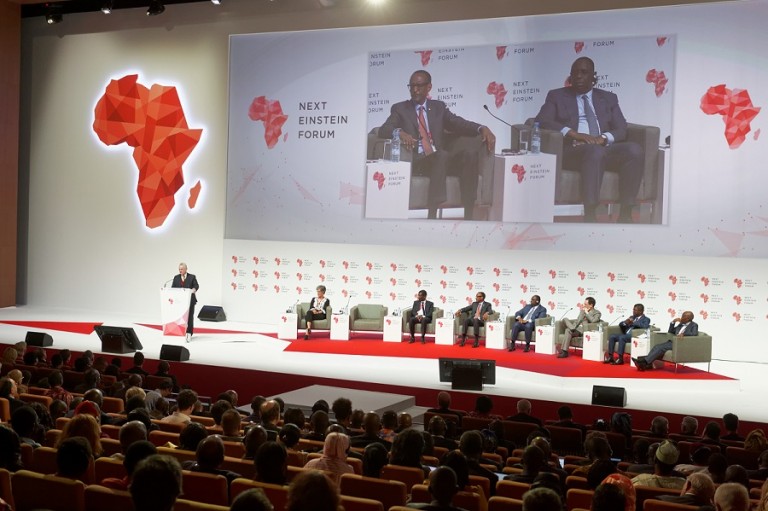
African Tech Start-Ups Face Many Challenges
DAKAR, Senegal – Rachel Sibande won accolades when she started Malawi’s first ever technology start-up mHub in 2013.

Original news and analysis on international IP policy
DAKAR, Senegal – Rachel Sibande won accolades when she started Malawi’s first ever technology start-up mHub in 2013.

An initiative of the United Nations secretary general yesterday gathered what could be described as an assembly of many of the world’s best thinkers and practitioners on public health and intellectual property rights. Industry, activists, academics, international organisations, and possibly some governments poured out their views for nearly seven hours – at times coming to tears and tension – shepherded by an astute moderator, as they responded to the call to take a longstanding debate on medicines access and high prices to a breakthrough.
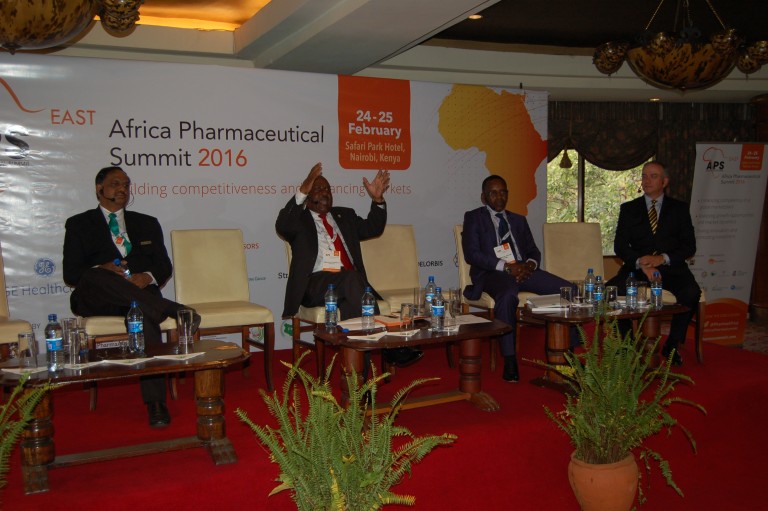
NAIROBI, Kenya -- As the budding East African pharmaceutical industry shows clear gains , experts at a pharmaceutical summit in Kenya underlined the sector as key to tackling challenges related to access to essential medicines in the region.
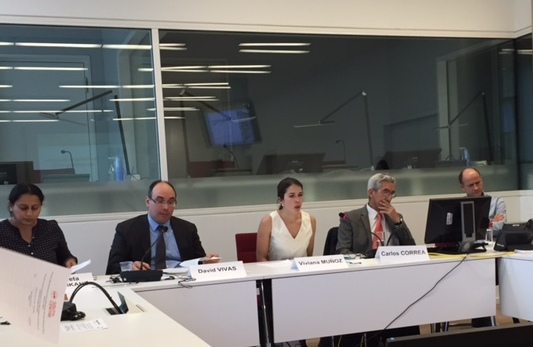
As World Intellectual Property Organization members struggled this week to find consensus on the wording of a potential treaty protecting genetic resources from misappropriation, a side event explored the role of WIPO and the intellectual property system in preventing such misappropriation.
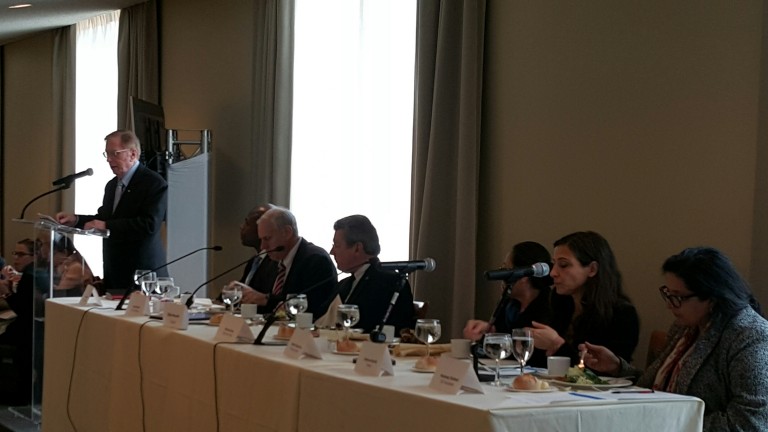
NEW YORK -- It came as a surprise to some when the United Nations Secretary General’s office announced in November the setting up of a high level panel to urgently address access to medicines and other health technologies. After all, UN agencies in Geneva, most notably the World Health Organization, have been working on these issues for years. Yesterday at the UN in New York, an event was held to explain some of the vision and urgency behind the setting up of the panel, which includes an expert committee of representatives of some 10 international organisations and others. It also includes an open online call for contributed ideas until 18 February, and two public hearings.

World Health Organization Director-General Margaret Chan submitted a report to last week’s Executive Board meeting detailing progress made in establishing a framework for the implementation of a global action plan for prevention and control of noncommunicable diseases (NCDs – like obesity, cancer, diabetes). The global action plan is to be officially implemented after the United Nations General Assembly comprehensive review of the prevention and control of NCDs in 2018, designed to eventually reduce premature mortality from NCDs by a third in 2030 in accordance with the health-related Sustainable Development Goals.
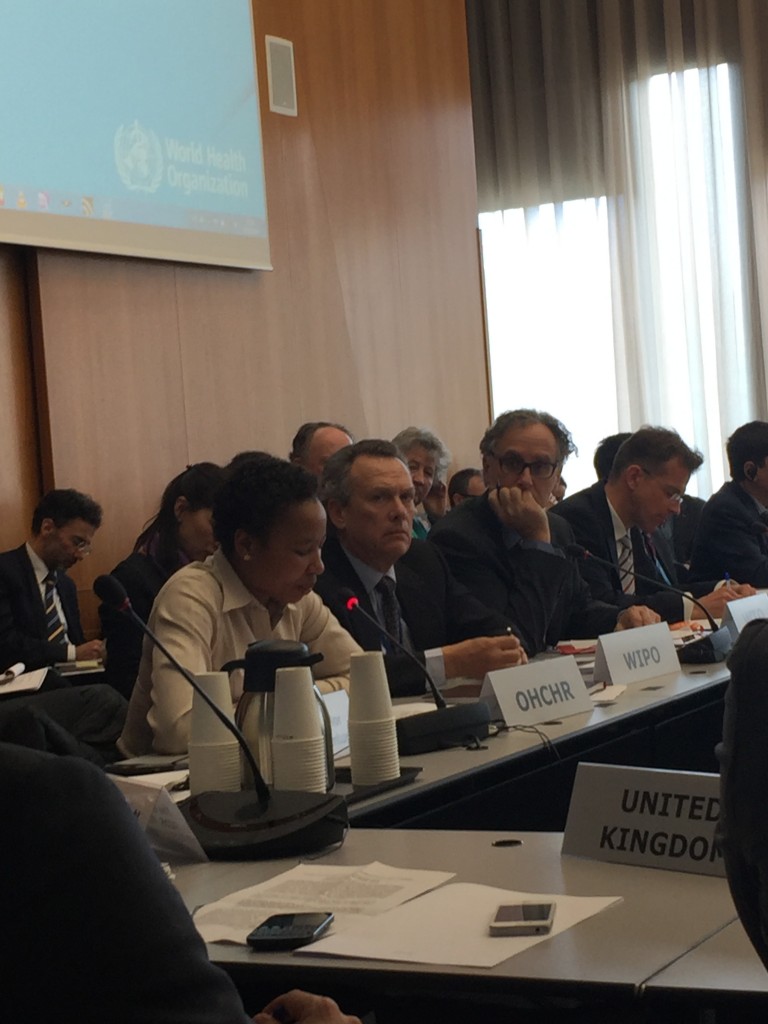
A high level panel of experts charged by United Nations secretary general to explore solutions to increase innovation and access to medicines in developing countries gave a briefing today to explain the process of the initiative. Intellectual property is often seen as both a barrier to the diffusion of health technologies and an innovation enabler.
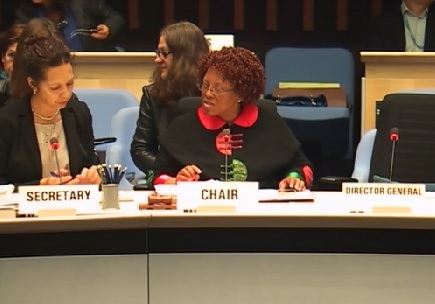
This morning, World Health Organization Executive Board members took note of a report by the WHO secretariat on the evaluation of the organisation’s global strategy and plan of action on public health, innovation and intellectual property. An inception report by the evaluation team was provided to the WHO in December, which has not been shared to the member states, according to the secretariat, although its results are expected to be presented to them in March. In the meantime, key points have been provided.

The World Health Organization Executive Board this week noted a number of reports on communicable diseases, such as poliomyelitis, and vaccines. Developing countries underlined the affordability and accessibility of treatments. The board also agreed on the setting up of an open-ended intergovernmental meeting to come to agreement on the organisation’s governance reform.
During the Executive Board meeting at the World Health Organization this week, member states agreed on committing to the health-related Sustainable Development Goals (SDGs) for 2030. The consensus reached by member states was that direct health development goals such as the continuous effort to rid the world of malaria, HIV/AIDS and hepatitis C are at the forefront of pressing issues. But goals for health and those for related issues should be worked on together as they are mutually beneficial, they said.
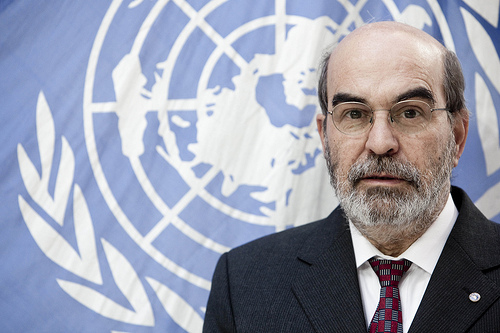
FAO Director-General José Graziano da Silva writes: Our livestock is increasingly being raised indoors and fed on concentrate feed that is often imported. Intensive production of chickens, pigs and dairy cows is based on a few breeds worldwide. These developments are risky, as we and future generations are losing the potential to adapt livestock production systems to increasingly harsh conditions such as those associated with higher temperatures and shortages of nutritious feeds.
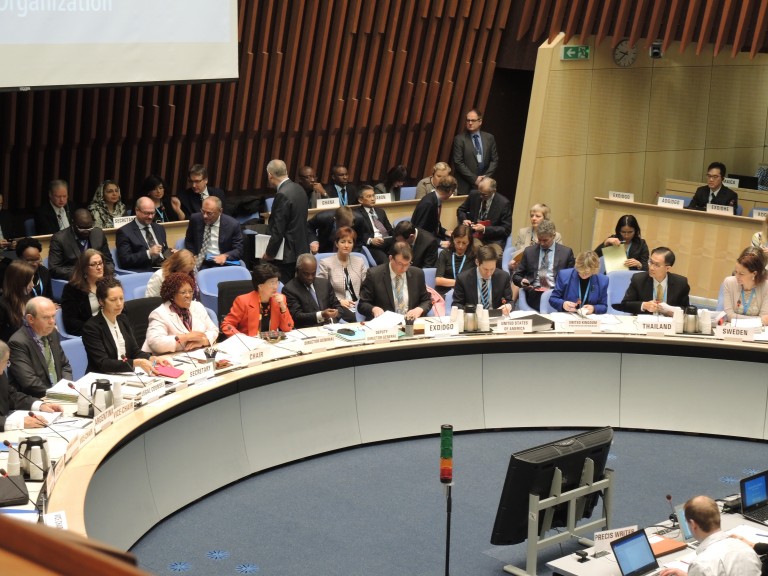
Response to diseases outbreaks must be changed at the World Health Organization, Director General Margaret Chan told the opening of the Executive Board meeting today. She also called for universal health coverage and the implementation of the international health regulation, and for action in the fight against antimicrobial resistance.