Category Biodiversity/Genetic Resources/Biotech

Licensing Experts Share Experiences At WIPO

Voluntary licences are cited by some as the best way to facilitate access to medicines. Terms of the licences are important, many factors have to be taken into consideration, and the earlier the better, as explained by licencing experts at the World Intellectual Property Organization this week.

CBD Biennial Meeting Closes With Resolutions On Digital Sequence Data, Conflicts Of Interest, Global Benefit-Sharing

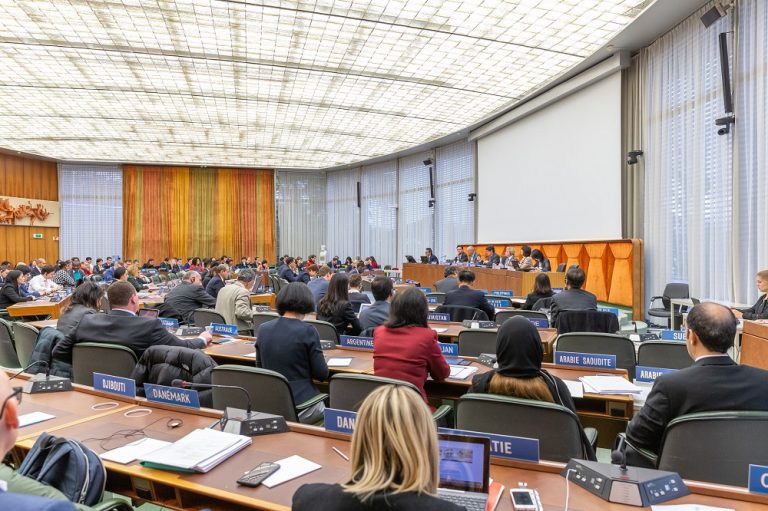
The biennial meeting of the Convention on Biological Diversity and its protocol on access and benefit-sharing closed yesterday with a list of adopted decisions. Among them was a decision to commission several studies on the impact of digital sequence data on the CBD for a recommendation at the next meeting in 2020. Delegates also agreed on a study to examine cases of genetic resources, and traditional knowledge associated with genetic resources, not yet covered by the protocol. Also adopted is the first decision on the management and prevention of conflicts of interest in expert groups.

Economically Sound And Fair Global Genetics Benefit-Sharing System Possible, Panellists Say

SHARM EL-SHEIKH, Egypt -- UN Convention on Biological Diversity members were trying this week to address questions that were left open when its protocol on access and benefit-sharing was adopted eight years ago. One of them is how to deal with genetic resources which are not yet covered by the protocol. A side event to the biennial conference of CBD members this week presented a solution, which they say could provide a more efficient, cost-effective and fairer system of access and benefit-sharing, based on inventions protected by intellectual property rights.

UN Biodiversity Convention Agrees On Precautionary Approach To Synthetic Biology

SHARM El-SHEIKH, Egypt -- While the world has been taken by surprise after a Chinese researcher declared he had genetically modified twin babies, and critics are rising from all parts, the Convention on Biological Diversity adopted a decision on synthetic biology today at the close of its biennial meeting. The decision which calls for a precautionary approach was hailed by civil society groups which were calling for a moratorium preventing gene drive organisms to be released in the wild.

Shared Indigenous Knowledge And Benefit-Sharing Needs Particular Attention, Panel Tells CBD

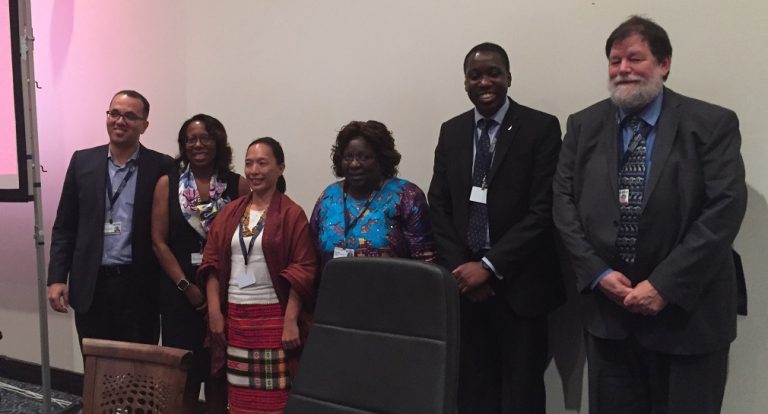
SHARM El-SHEIKH, Egypt -- Traditional knowledge associated with genetic resources held by indigenous and local communities is often not confined to one group or one specific geographical location. Displacement whether cultural or forced, political redesigning of borders, and exchanges with other communities have all contributed to the dispersion of that knowledge. This shared knowledge poses an issue in the context of benefit-sharing of commercial benefits on inventions derived from this knowledge. A side event on the side of the biennial meeting of the UN Convention on Biological Diversity looked at how to address shared traditional knowledge.

Gene Editing Divides UN Biodiversity Convention Members On Synthetic Biology Evaluation

SHARM EL-SHEIKH, Egypt -- After informal closed consultations, a draft decision was issued yesterday on how the UN Convention on Biological Diversity should address potential impacts of synthetic biology, during the biennial conference of the parties taking place this week. The issue of the release of gene drive organisms into the environment was a contentious issue as civil society had been lobbying for a moratorium preventing the release into the wild of those organisms able to wipe out entire species. This morning consensus was still eluding delegates, particularly over the singling out of gene editing in the decision.

Panellists To CBD: Funds Needed To Save Biodiversity, Genetic Resources Not In Nagoya Protocol Should Be Included

SHARM-EL-SHEIKH, Egypt - The access and benefit sharing protocol of the UN Convention on Biological Diversity is based on bilateral agreements between providers and users of genetic resources. There are, however, many cases where genetic resources are dispersed, and difficult to attribute to only one location. The issue is being discussed at the biennial meeting of the CBD member states, in particular the possibility of a global multilateral benefit-sharing mechanism to address those genetic resources not yet covered by the protocol. A side event yesterday explored the possible conditions and needs for establishing such a mechanism, and called for urgent action.

Gene Editing: Fears Lead To Call For Moratorium At CBD, Discussions Ongoing

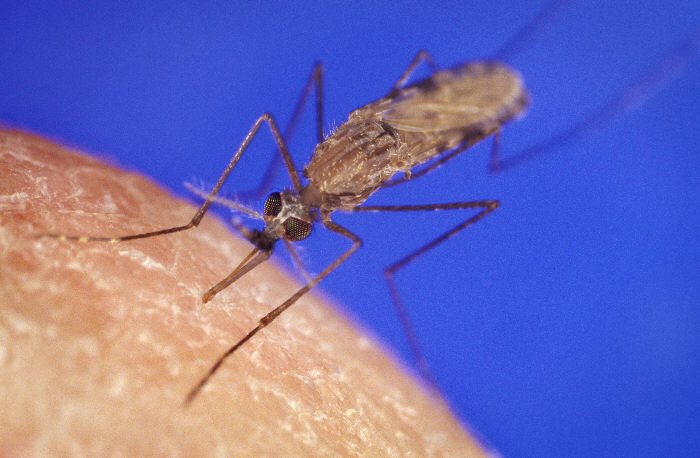
Gene editing techniques have opened the way to a new world of innovations. One of them is the potential eradication of malaria-carrying mosquitoes. What appears as a very attractive way to help with malaria eradication is denounced by civil society groups arguing that the technology is in its infancy. Wiping out entire species could have unforeseen environmental, health, and social consequences, they say. They are calling for a moratorium preventing the release of gene drive organisms in the wild. They also describe the gene drive mosquitoes as a Trojan horse, hiding broader interests of agricultural multinational corporations.

Convention On Biological Diversity Biennial Meeting Looks At How New Technologies Will Affect Its Objectives

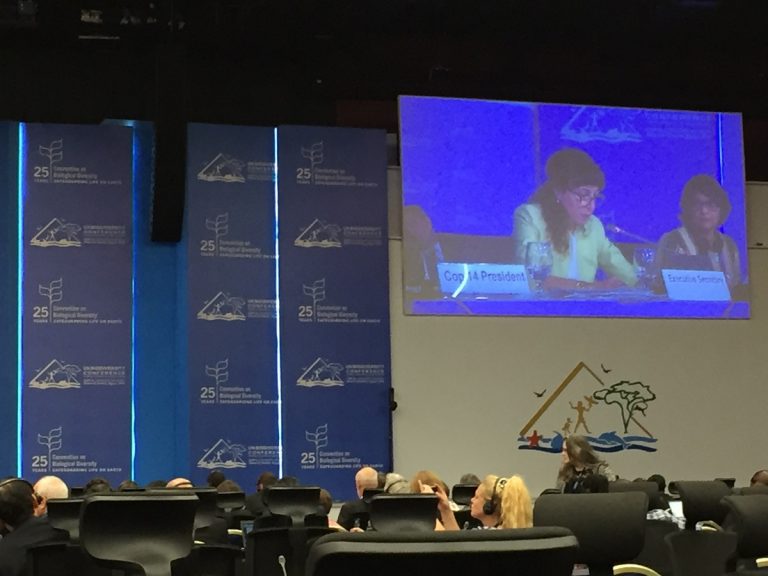
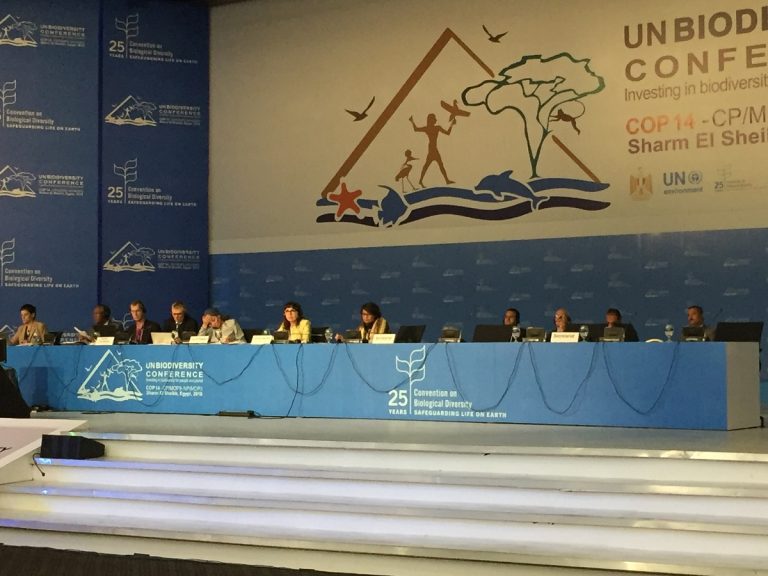
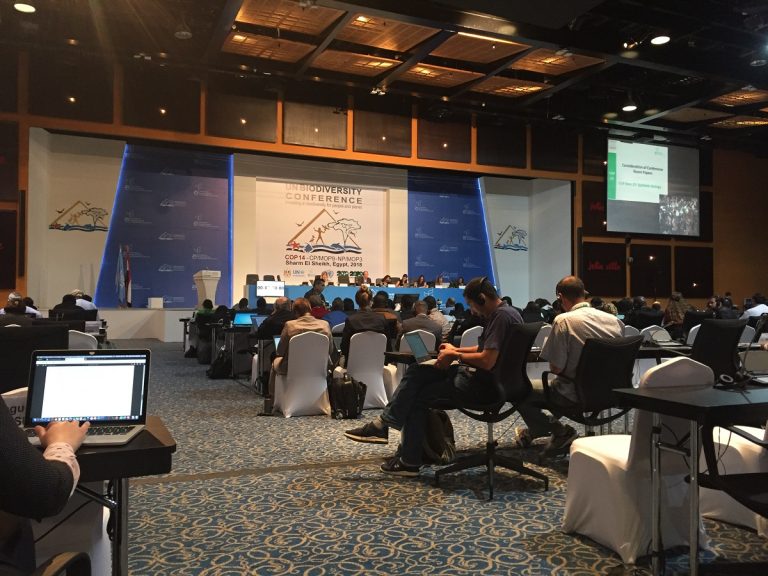
Member countries of the UN Convention on Biological Diversity are meeting in Egypt for its biennial conference of the parties, and the conference of the parties of its protocol on access and benefit sharing, until the end of November. New technologies are high on the agenda of the meeting, such as synthetic biology and genetic sequence information of genetic resources, and how they will impact the convention's objectives. Delegates are also expected to discuss a potential global multilateral benefit-sharing mechanism, and criteria for international specialised instruments of access and benefit-sharing which could substitute the protocol's obligations in certain cases.

The Bumpy Road To Selection Patents In India

Namrata Chadha, of K&S Partners, a Tier 1 Indian law firm, discusses various crucial aspects relating to patenting of selection inventions in India, especially in pharmaceuticals and chemicals. Summary: The patenting of selection inventions is not plain sailing in India. The patentability of such inventions must be determined in accordance with the general provisions of the Indian Patents Act, as there is no separate provision for the same in the Act. Of the said general provisions, the assessment of inventive step and testing under section 3(d) of the Indian Patents Act can be perceived as the most critical to patentability of selected novel species. Additionally, the concepts of ‘implicit disclosure’ and the contrasting views on ‘coverage vs disclosure’ frequently makes it challenging for applicants to defend their novel selection under the Indian scenario. Given the lack of enough precedents in India on this aspect, to date the fate of selection patents depends mostly on the judgement of the patent controllers. Not all hope is lost, however, since not only the Indian Patent Office, but also the IPAB and higher Courts have time-and-again acknowledged the existence of selection patents in India.