Category Access to Knowledge/ Education

Helping Understand The Internet Phenomenon: Interview With New ISOC CEO Andrew Sullivan

Starting 1 September, Andrew Sullivan takes on the role as CEO and President of the Internet Society. Selected by the ISOC Board of Trustees, Sullivan looks like an apt bridge builder between the world of internet technology and the world of policymakers. Equipped with experience in developing technology at Dyn, a DNS company recently acquired by Oracle, and a tenure as Chair of the Internet Architecture Board, a peer body of the standards body Internet Engineering Task Force, Sullivan has a degree in philosophy and is no stranger to public sphere theorist Juergen Habermas. After the heavy attack on Dyns DNS network, via low-cost cameras – the so-called Mirai attack – the Canadian warned against knee-jerk attempts for regulation, but acknowledged that technological solutions might need some assistance from policymakers. Answering questions with journalist Monika Ermert in writing from the meeting of the ISOC Board of Trustees in Panama, Sullivan diplomatically underlined that collaboration is key for everything on the internet. In his new position, Sullivan follows Kathy Brown, a former AT&T manager.


Indigenous Knowledge Databases: Is It Something To Be Concerned About?

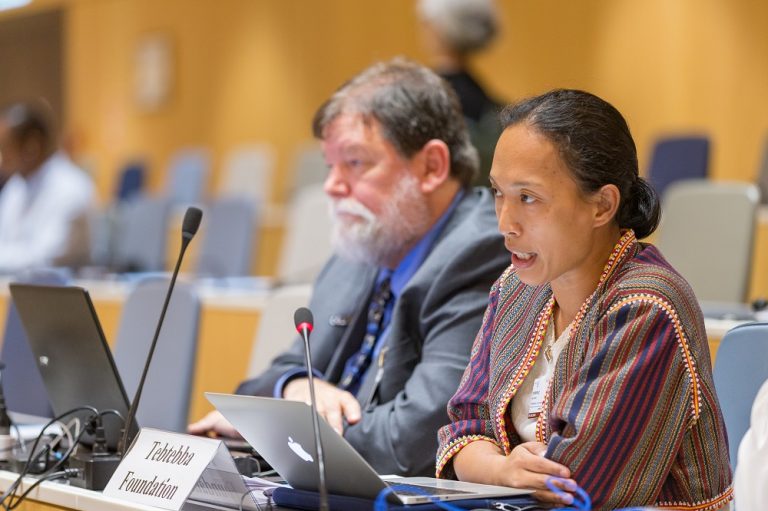
Almost all information today ends up in a database. It is organised and made readily accessible. While it sounds positive, for indigenous communities, it can be crucial. Databases of their knowledge, culture, and genetic resources, if misused, can undermine generations of community effort and maybe even their sustainability. A panel of indigenous peoples’ representatives presented their concerns about databases this week to governments attending a World Intellectual Property Organization meeting on genetic resources.

Internet Policy – Whois And GDPR: Sky Not Falling Just Yet?

The struggle over how to comply with Europe's new General Data Protection Regulation dominates the agenda of the upcoming meeting of the Internet Corporation for Assigned Names and Numbers (ICANN) in Panama. With the basic question how much data ICANN can ask its contractual partners to collect and store about its domain name customers, ICANN this week opened another hot topic to be discussed when publishing a paper on unified access to registration data. Meanwhile, trademark owners weighed in.

Data Localization (Nearly) Banned In EU

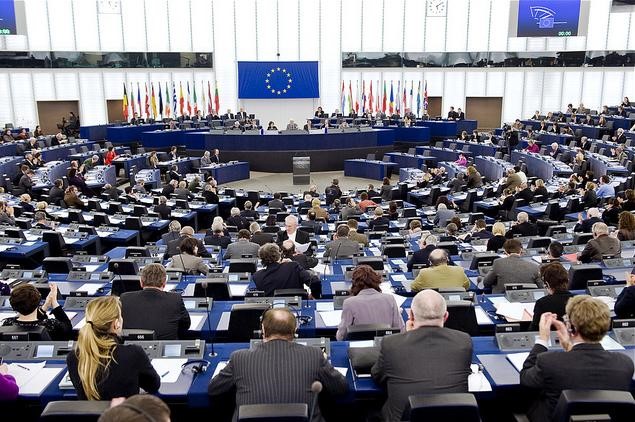
The European Parliament, Council and European Commission on 19 June cut a deal on a new regulation on the free flow of non-personal data. The regulation, which is expected to pass the final votes in Parliament and Council without further issue, is a European answer to concerns over potential data localization obligations, which came into some demand following the Snowden revelations about intelligence services hoovering data from netizens.

EU Copyright Reform Proposal Clears Lead Legislative Committee, To Cheers And Jeers

The European Parliament Legal Affairs Committee (JURI) adopted its report on the European Commission-proposed copyright in the digital single market directive yesterday. The vote, by the lead committee vetting the proposal, sparked a continuation of the acrimonious debate that has raged for many months over several controversial provisions: The creation of a new right for online publishers and a requirement that Internet platforms monitor users’ uploads for copyright infringements. The narrow majority that approved the report by German Member of the European Parliament (MEP) Axel Voss, of the European People’s Party, “suggests that the struggle is still long,” telecom consultant Innocenzo Genna blogged.