Category Access to Knowledge/ Education

Alternative Summit Offers Ideas For Trade Agreements, G7, Amid 40,000 Protesters

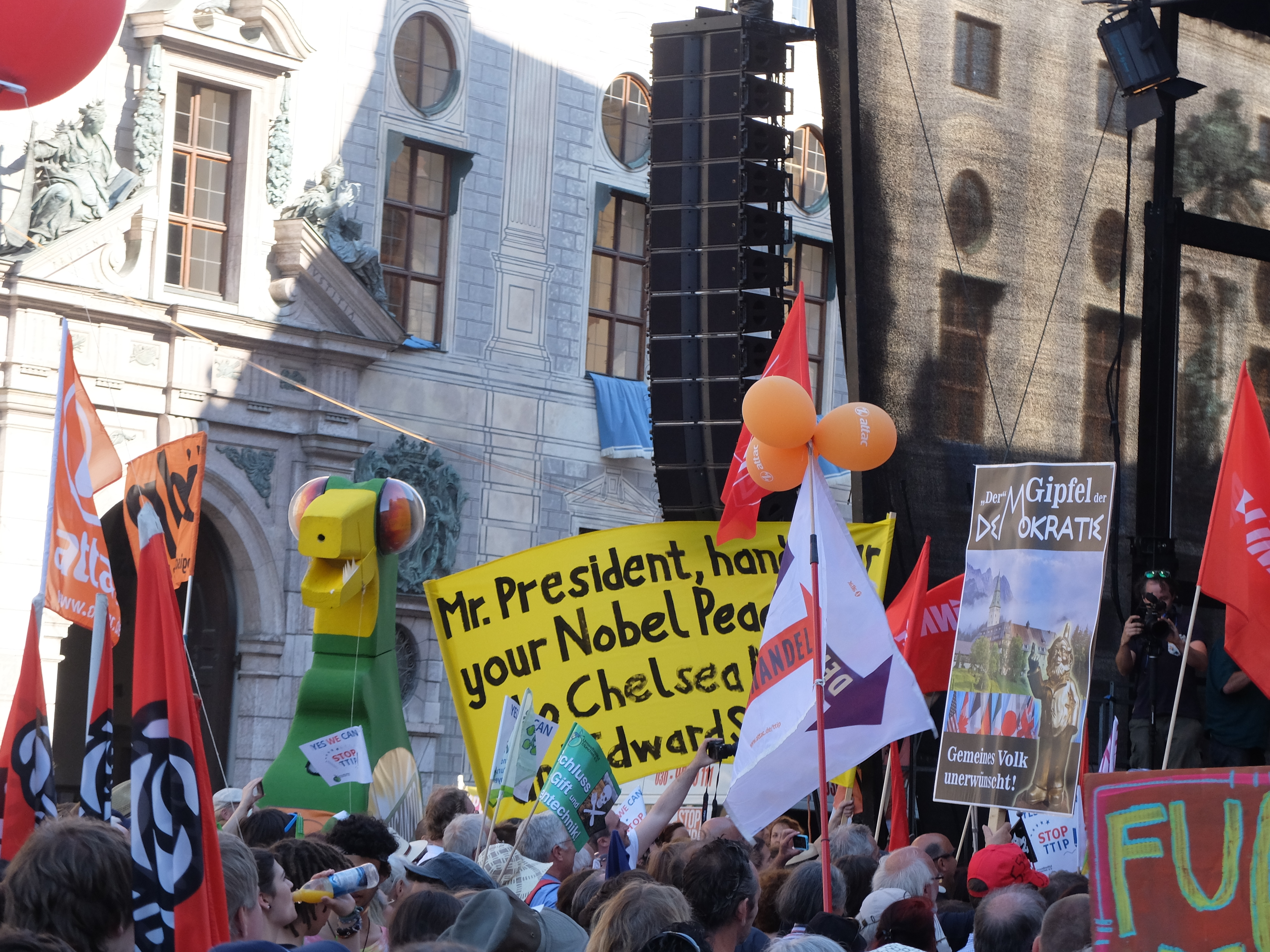
MUNICH -- Just days before leaders of the Group of 7 (G7) industrialised countries gather in the well-guarded Bavarian Castle Elmau, a broad coalition of organisations invited free trade critics to an International Summit for Alternatives in Munich. Speaking there, Jean Ziegler, well-known former UN rapporteur for the right to food, shrugged off the possible effects of the G7 Summit.

WIPO’s New Act For GIs: Not Much Ado About Place Names?

Recent negotiations at the World Intellectual Property Organization to create a new Act for the protection of geographical indications were intensive, with the outcome considered a landmark breakthrough by negotiators and a blow to the UN agency’s legitimacy by others. But a search on global coverage of and reactions to the new agreement raises the question of whether it has attracted broader attention.

Firm Performance In Countries With & Without Open Copyright Exceptions

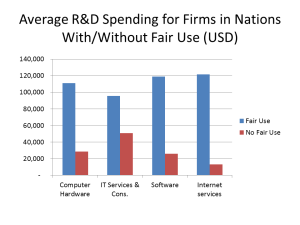
Mike Palmedo writes: This post presents preliminary data showing that firms in industries sensitive to copyright can succeed in countries other than the US when copyright limitations include fair use. It is an early product of an interdisciplinary project at American University, in which legal researchers are working with economics professor Walter Park to study how country’s copyright exceptions effect economic outcomes. The project has been undertaken as part of American University’s larger role coordinating the Global Network on Copyright User Rights. The research supports and expands on other recent research attempting to measure the value of fair use abroad.

World Health Assembly Concludes With Actions On Range Of Issues

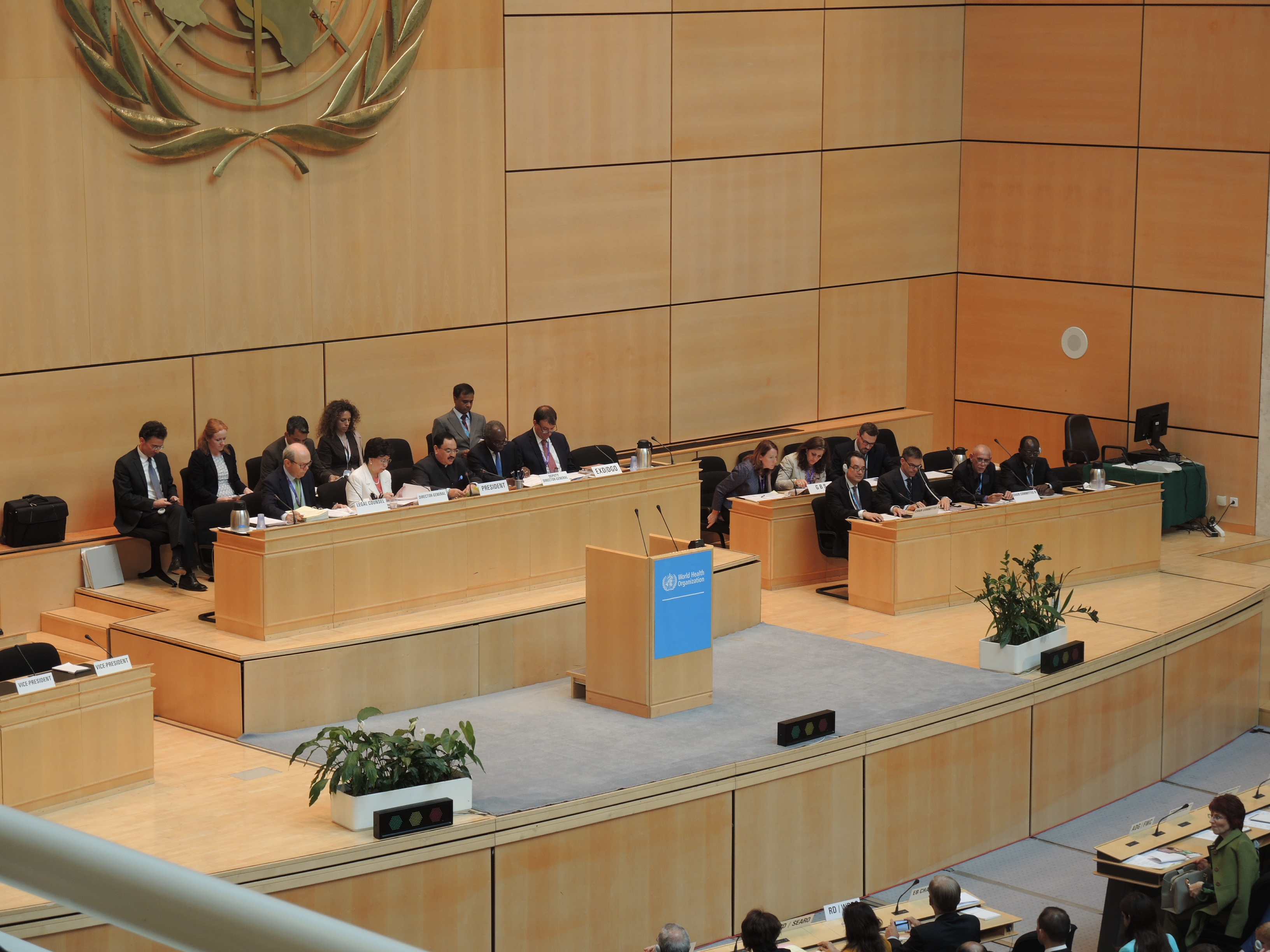
The 68th World Health Assembly (WHA), which took place from 18-26 May, was characterised as one of the most successful annual assemblies ever by Margaret Chan, World Health Organization director general. From the standpoint of intellectual property, access and innovation, this may be debatable. Below is a guide to the main accomplishments highlighted by Intellectual Property Watch.

These include: action plans to fight antibiotic resistance and to boost vaccinations, extension of the Global Strategy and Plan of Action on Public Health, Innovation and Intellectual Property (GSPA), incremental progress on alternative research and development for neglected diseases, status of the pandemic influenza preparedness framework, response to emergencies like Ebola, and WHO’s relationship with lobbyists and donors.

WHO Advances R&D Financing Effort; Global R&D Observatory To Launch In January

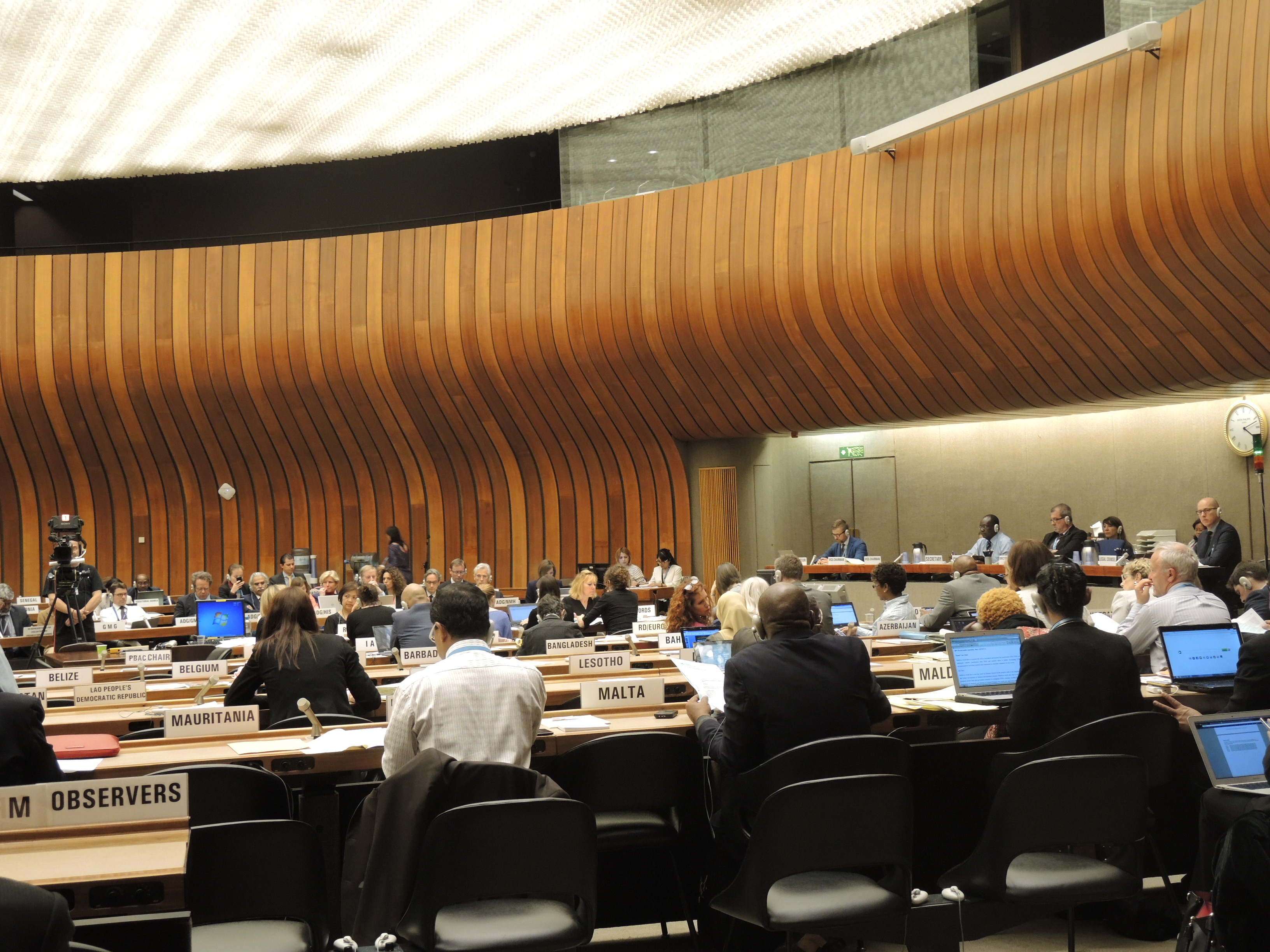
World Health Organization members in committee this week took note of a report by the Consultative Expert Working Group on Research and Development: Financing and Coordination (CEWG), which was set up to find ways to fund research on diseases afflicting poor populations which have little market incentive for the private sector. The report included a proposal for a voluntary pooled fund that would focus on the development of effective and affordable health technologies for such neglected diseases.

WHO Debates Plan To Fight Antibiotic Resistance

World Health Organization members this week are debating a plan to address the global problem of increasing resistance to existing antibiotics and the lack of new treatments to replace them. Today, discussions on antimicrobial resistance went to informals to try to resolve outstanding issues.