Category Access to Knowledge/ Education

Finding The Right Balance Between IP And Access To Science

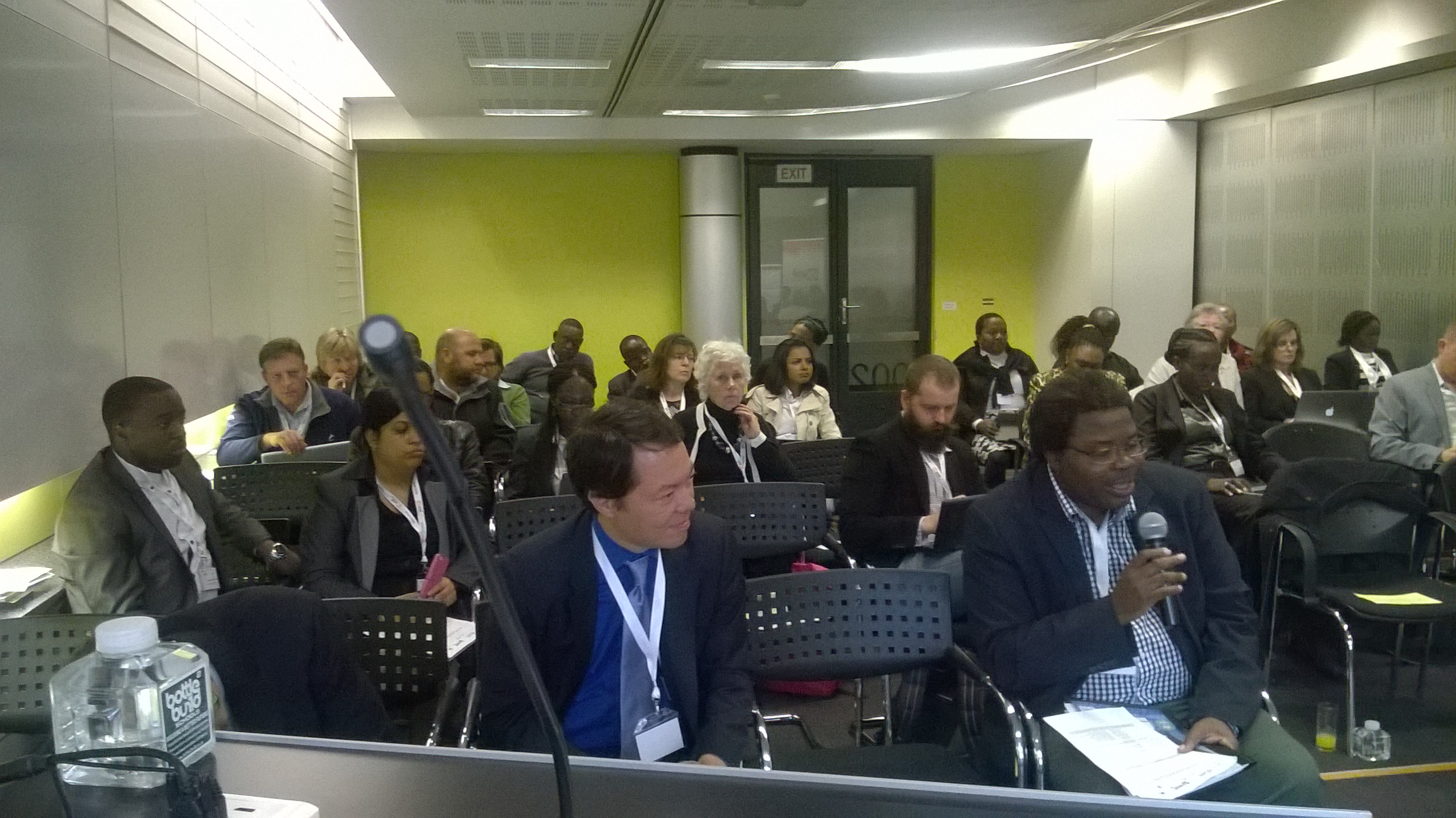
STRASBOURG – As UN Special Rapporteur Farida Shaheed prepares to finalise a second consecutive report on the connection between the right to science and culture and patent policy, two well-known academics took the floor at the University of Strasbourg Centre for International Intellectual Property Studies (CEIPI) recently to share their views and hopes for this long-awaited paper.

Medicines Patent Pool At 5 Years: Promises Kept, Changes Ahead – An Interview With Greg Perry

The Medicines Patent Pool in Geneva is celebrating five years of existence this month. MPP Executive Director Greg Perry sat down with Intellectual Property Watch Catherine Saez to describe progress made since its inception, the success of its licensing agreement model, and plans for the future, including a possible extension to other diseases such as tuberculosis and hepatitis C.

The TPP’s Reckless Proposals For Damages Will Have Negative Impact On Future Reform Of IPR Regimes

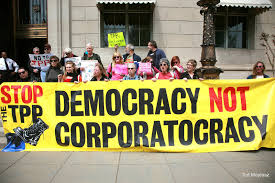
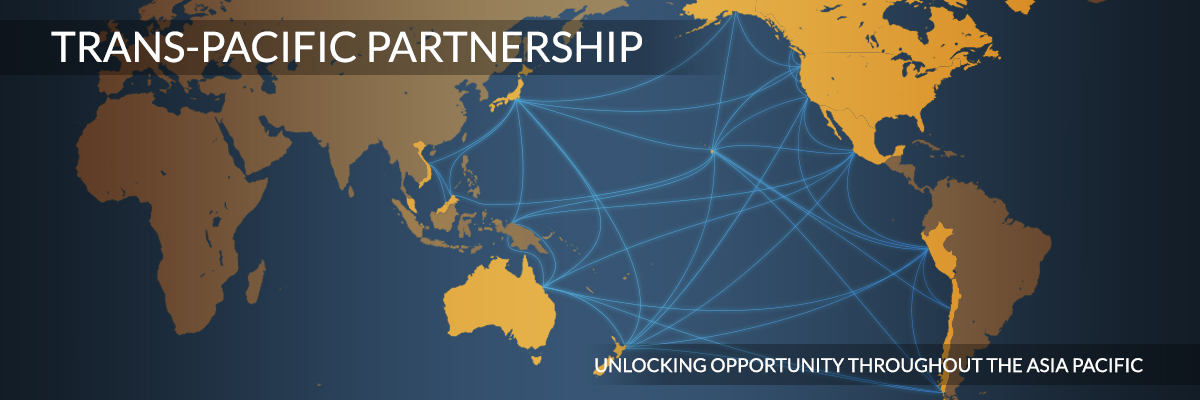
James Love writes: This week negotiators from a dozen countries are meeting to finalize the rules for the Trans Pacific Partnership (TPP) trade agreement. When or if concluded, this massive regional trade agreement will set new standards for the grant of property rights in knowledge, and the enforcement of those rights.

The TPP chapter on intellectual property covers all intellectual property types included in Part II of the WTO's TRIPS agreement, plus some others, including not only patents, copyrights and trademarks, but also "undisclosed information", test data for the registration of drugs, industrial designs, layout-designs of integrated circuits. The rules in the TPP are intended by the United States to become global norms, effectively replacing TRIPS.

While there are plenty of issues in the TPP IP Chapter, this note only addresses one set of issues -- those relating to the remedies for the infringement of intellectual property rights. The remedies include such topics as injunctions, damages, and the seizure or destruction of infringing goods.


Decision Time On Biologics Exclusivity: Eight Years Is No Compromise

Burcu Kilic and Courtney Pine write: As the Trans-Pacific Partnership (TPP) negotiations approach their endgame, biologics exclusivity is still considered “one of the most difficult outstanding issues in the negotiation.”[2] Pharmaceutical companies seek longer data and marketing exclusivities to further delay market entry of cost-saving biosimilar drugs. Data exclusivity prevents follow-on pharmaceutical developers from relying on originators’ test data submitted for marketing approval while seeking such approval for its own product. The World Trade Organization’s (WTO) Agreement on Trade-Related Aspects of Intellectual Property Rights (TRIPS) requires some protection against unfair competition for this sort of data, but it does not require countries to adopt rules conveying exclusive rights over it in the same way as it does regarding patents.[3] Currently, the US provides 12 years of exclusivity for new biological products under the Biologics Price Competition and Innovation Act (BPCIA).[4] The provision providing 12 years exclusivity was buried inside the 20,000-page healthcare law, The Patient Protection and Affordable Care Act. A robust debate over what would be an appropriate exclusivity period, if any, was overshadowed by other controversial aspects of the bill commonly referred to as Obamacare.

India IPR Policy Update: Final Draft Circulated

The final draft of India’s national intellectual property policy has been circulated for inter-ministerial consultation and will be sent to the Cabinet for approval after receiving comments, the Ministry of Commerce and Industry said this week. Meanwhile, today public health groups in India announced that revocation of a Roche pharmaceutical patent has been upheld under Indian law.