OECD Book Highlights Economic Impact – Good And Bad – Of IPRs
A new book from the Organisation for Economic Cooperation and Development (OECD) paints a revealing picture of the impact on economies of intellectual property rights.

Original news and analysis on international IP policy
A new book from the Organisation for Economic Cooperation and Development (OECD) paints a revealing picture of the impact on economies of intellectual property rights.
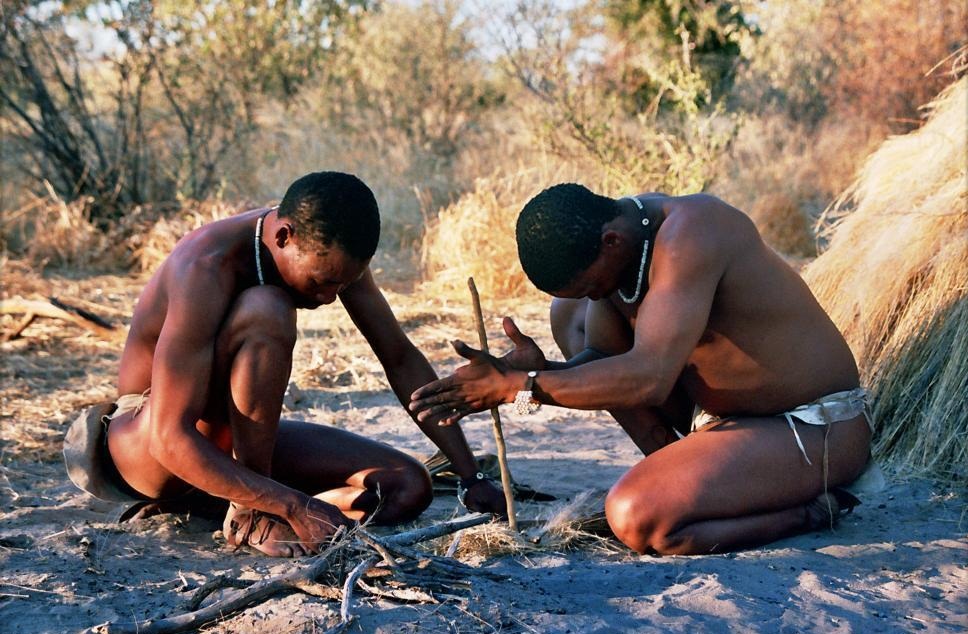
CAPE TOWN, SOUTH AFRICA - A project to assess the impact of climate change on KhoiSan communities and the production of local level decision-making in rural communities is expected to contribute towards the guidelines and protections for indigenous knowledge holders under the United Nations Framework Convention on Climate Change (UNFCCC), according to the project leader.
From The Hindu: Even as the government has initiated the process of vetting a draft Bill on the protection and management of traditional knowledge (TK), experts caution against creating monopoly rights on TK and classifying it under intellectual property rights.
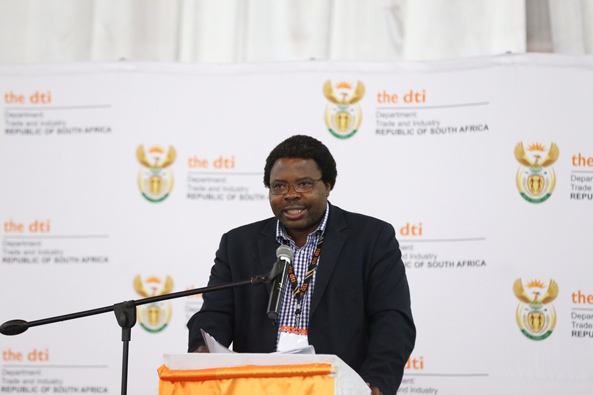
JOHANNESBURG, SOUTH AFRICA -- Stakeholders from various positions of influence in the realm of intellectual property - including government - put a fine tooth comb through the South African Copyright Amendment Bill at a consultative conference called by the Department of Trade and Industry yesterday.
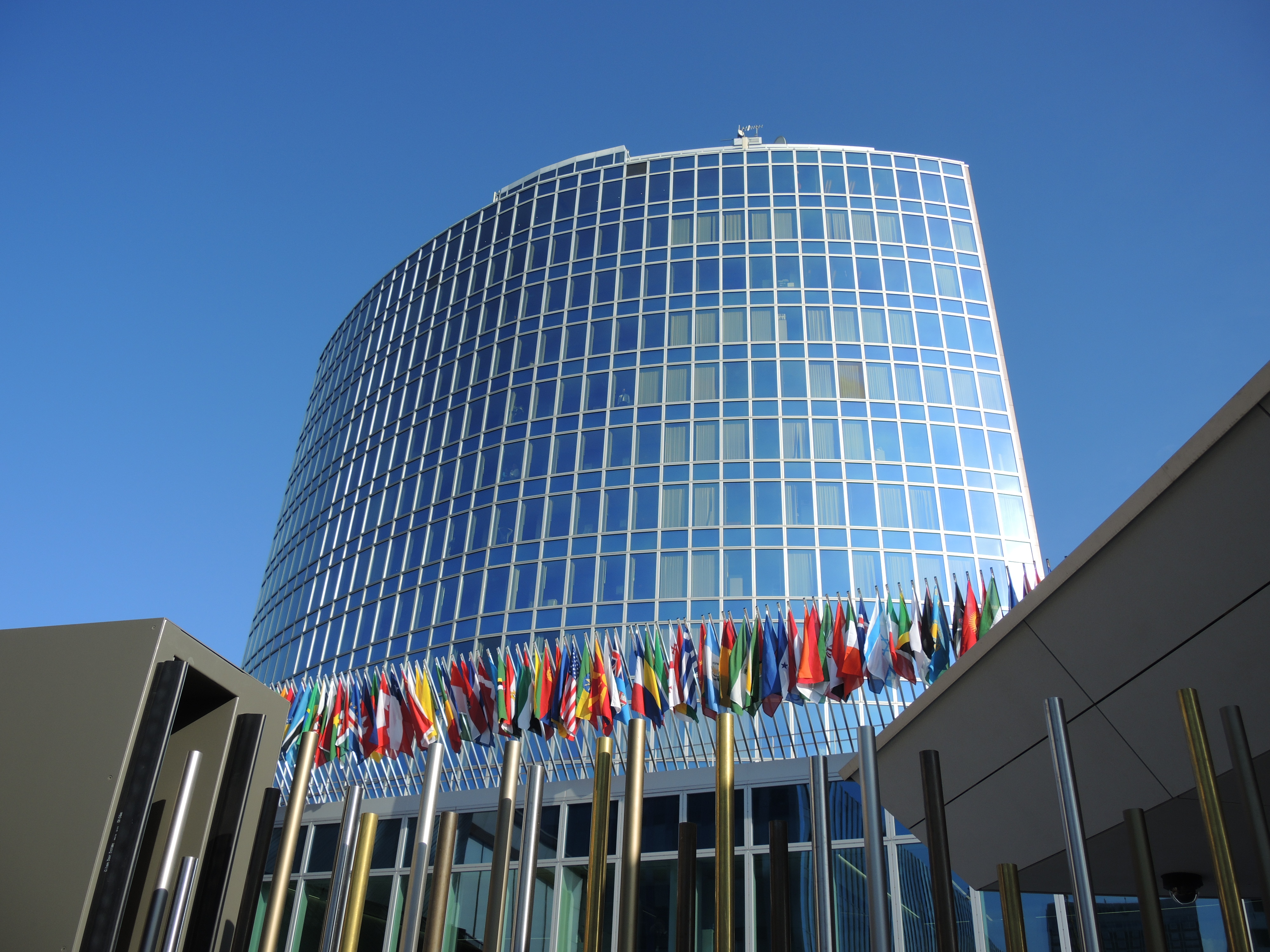
An independent review of the World Intellectual Property Organization’s implementation of its 2007 Development Agenda Recommendations is progressing. A team of experts conducting the review, appointed by WIPO in May, just submitted their inception report to WIPO.
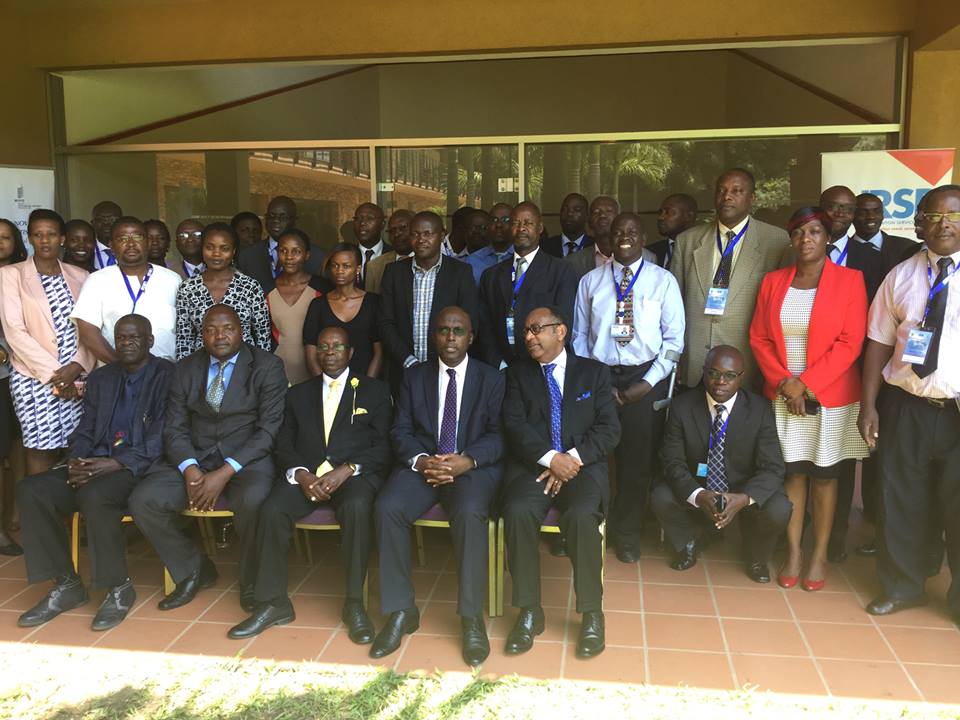
KAMPALA, UGANDA - The World Intellectual Property Organization (WIPO) has launched a Development Agenda program in Uganda, aimed at building capacity in the use of appropriate technology, specific technical and scientific information to address development challenges in the country.

Civil society groups are calling on the Swiss government to refrain from putting pressure on developing countries wishing to manufacture generic medicines without the consent of the patent holder. The groups allege that the Swiss government tried to unduly influence Colombia to not take such a step, though it is permitted by international trade rules.
The Swiss government, for its part, says it participated in a public consultation in Colombia and merely underlined that negotiations between governments and original manufacturers are a better way to go than a compulsory licence.

A government-ordered review of Australia's intellectual property arrangements could either resolve many important and long-standing issues or prove to be yet another political exercise in futility, academics say.

Indigenous Peoples' knowledge and creativity is a valuable source of inspiration for all, but might benefit from being better protected, the head of the UN World Intellectual Property Organization said this month. WIPO is currently negotiating an international instrument or instruments to better protect genetic resources, traditional knowledge and traditional cultural expressions (folklore).

The United States Department of Commerce office planning to relinquish national control over a remaining key component of the internet domain name system has said it will take at least until September 2016, putting off the transition that had been targeted for next month.
Failure to reach agreement over expanded intellectual property (IP) protections for medicines has proven to be a stumbling block to completion of the 12-country Trans Pacific Partnership negotiations. As expected, the US is continuing to pressure negotiating partners to adopt broader and longer monopoly protections for medicines. But the risks for their health systems are very high – and will be much higher if they don’t stick together in rejecting the US demands.

As part of a series of publications on investment treaties and investor-state dispute settlement, a developing country multilateral organisation released a policy brief focusing on Ecuador's experience and action against the current dispute settlement system.