Category Language

How The Leaked TPP ISDS Chapter Threatens Intellectual Property Limitations and Exceptions

Warning: Attempt to read property "post_title" on null in /home/clients/5bc716f64eaa5eb2ef6cc74a6b9b690a/sites/kait2.ip-watch.org/wp-content/plugins/better-image-credits/better-image-credits.php on line 227

By Prof. Sean Flynn, Associate Director, Program on Information Justice and Intellectual Property (PIJIP), American University Washington College of Law Reposted with permission from Infojustice.org, original here. I released a statement earlier today opining that the today’s leak of the…

UN Human Rights Council Approves Expert On Privacy In The Digital Age

The UN Human Rights Council at its 28th session today in Geneva adopted a resolution that establishes a new mandate for a Special Rapporteur on Privacy in the Digital Age. The Council also approved a resolution extending the mandate of the Special Rapporteur in the field of cultural rights for 3 years, and took note of the current rapporteur’s recent report raising concerns about the impact of copyright on human rights.

Busy Year At WTO: 20th Anniversary, Doha Round, Dispute Settlement Overload

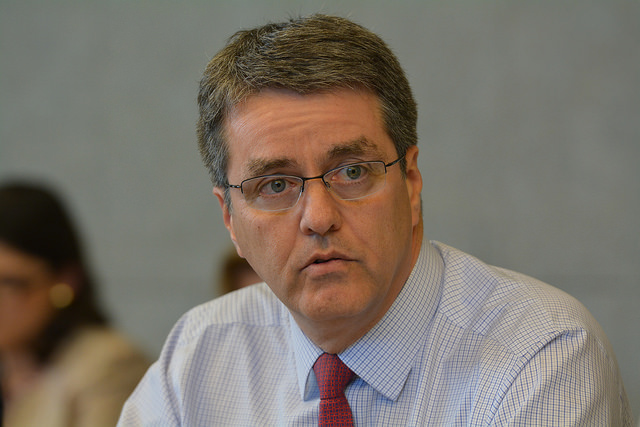
This year is an auspicious moment for the World Trade Organization and the multilateral trading system, WTO Director General Roberto Azevêdo told journalists today. In particular, he said, the WTO, after a hiatus last year, is implementing the results of the 2013 Bali agreement on trade facilitation and finalising work on the work programme to conclude the Doha Round of trade liberalisation negotiations.

Indian Draft Pesticides Bill Contains TRIPS-Plus Data Exclusivity, Indian Pharma Says

India is considering legislation on pesticides containing data exclusivity provisions that would raise the level of intellectual property protection above the minimum required by international trade agreements and could act as a precursor for pharmaceutical products in the country, a leading Indian industry representative warned this week. India is sensitive to restrictions on the use of marketing data of patented pharmaceuticals as it is seen as the world leader in generic medicines, which use such data.

Cuba, Large Friends, Trying To Corner US Into Compliance With WTO Rum Trademark Ruling

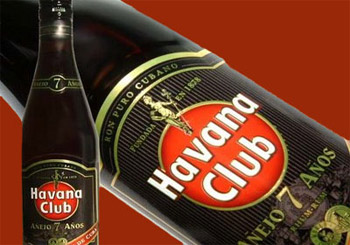
Better relations may be on the way for Cuba and the United States, but the thaw has yet to be seen in a longstanding World Trade Organization dispute over a Cuban rum trademark. As it has done for years, the United States today casually reported that there are several pieces of legislation in the US Congress that might bring it into compliance with a longstanding WTO ruling that found it in violation of WTO rules for a 1998 measure blocking a Cuban trademark from receiving due legal process in the US, where a US-friendly firm is using it.

Slifer Named USPTO Deputy Director

A veteran technology industry and innovation patent attorney has been named the new deputy director has been named at the United States Patent and Trademark Office (USPTO).

Patent On Conventional Plant Dismissed For Lack Of Novelty, Firm Says

The District Court of The Hague (Netherlands) ruled last week that a patent for red radish plants is invalid in the Netherlands for lack of novelty but did not rule on the fact that the particular plant was bred using essential biological processes. The case, between two Dutch companies, related to red radish sprouts on which one company held a patent.

TPP’s Copyright Term Benefits US, Burdens Others

The US got its way. The Trans-Pacific Partnership agreement (TPP) will require all member nations to have a minimum copyright term of life plus 70 years. As a result, Japan, Canada, New Zealand, and three other nations will have to increase the duration of copyright by 20 years. This copyright term extension will benefit powerful interests in the US, but will hurt consumers and creators in six other nations that are part of the TPP.

All WIPO Filings On The Rise, Serving Mainly Developed Economies; Telecoms Increase

Today, the World Intellectual Property Organization released the 2014 numbers of filings for its systems for patents, trademarks, and industrial designs, which form the basis of the revenue of the UN organisation. Filings under the three systems grew in 2014, with a notable presence of telecom companies in patent filing activity. Except for China, top filers in the three systems are developed countries. Also noted was that so far, the significant increase in internet domain names has only led to a slight rise in new domain dispute cases.