WIPO Members Urge Action On Range Of Treaties
World Intellectual Property Organization members called for swift adoption of new treaties at the outset of the organisation's annual General Assemblies this week.

Original news and analysis on international IP policy
World Intellectual Property Organization members called for swift adoption of new treaties at the outset of the organisation's annual General Assemblies this week.

Reactions to yesterday's announcement that the Trans-Pacific Partnership (TPP) is in the books quickly turned to “what's next?” with European Commissioner Cecilia Malmstroem sending congratulations and expressing expectations that “with TPP done, we will be able to approach our TTIP negotiations with an even greater focus from both sides.” But considerable work remains for TPP to come into effect.
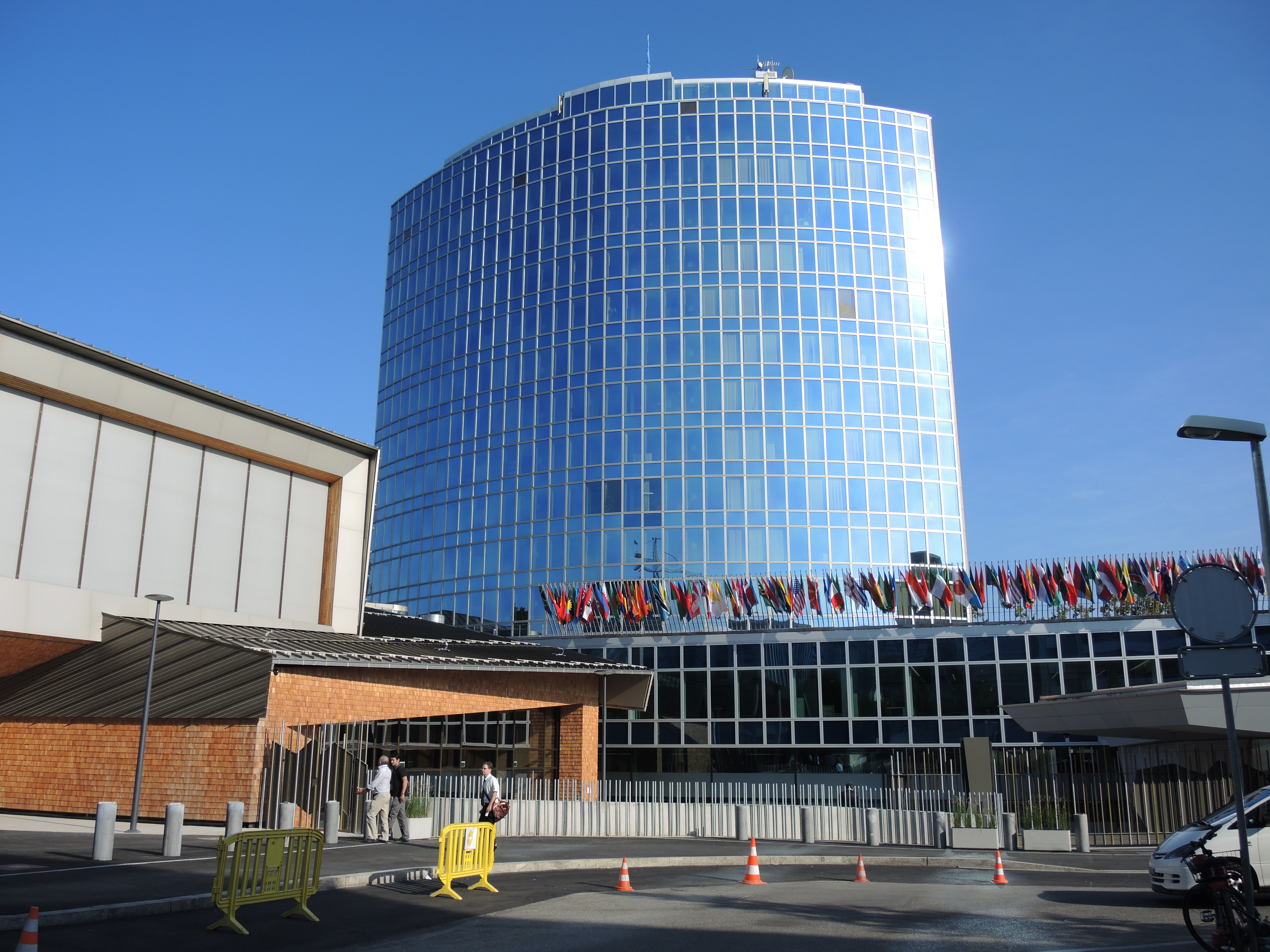
The fate of the World Intellectual Property Organization committee dedicated to finding solutions to protect traditional knowledge, generic resources, and folklore is being actively discussed informally at the organisation's general assembly.
It has been five months since Choi Donggyou assumed the role of KIPO Commissioner. During the 55th WIPO General Assemblies in Geneva this week, he took time to sit down with Intellectual Property Watch and in a mutually prepared Q&A gave his perspective on a wide array of issues, including the IP policies and projects he plans to focus on throughout his term, his intentions for maintaining close collaborative ties with WIPO, and his thoughts on last May's IP5 Heads of Office meeting in Suzhou, China.
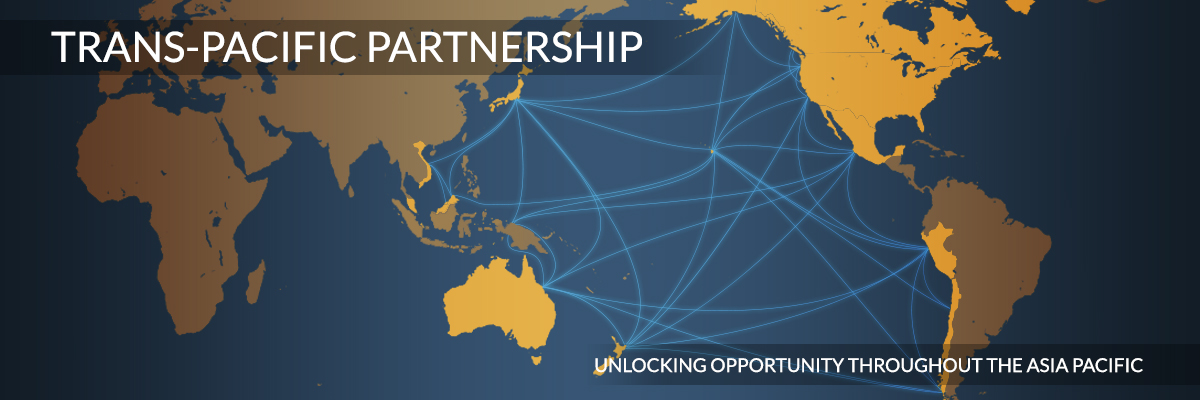
The odds for a final signature under the Trans-Pacific Partnership went up and down since negotiations of the regional trade agreement re-started in Atlanta last Wednesday. In the final hours, the delegations of the 12 Pacific-Rim countries fought hard over data exclusivity terms for biologic drugs and access to dairy. Now the deal, the first of a new generation of regional mega-agreements, is done and while opponents are concerned about the selling out of patients, workers and consumers rights, Perrin Beatty from the Canadian Chamber of Commerce recommends to the naysayers to “pull up your socks” and face competition.
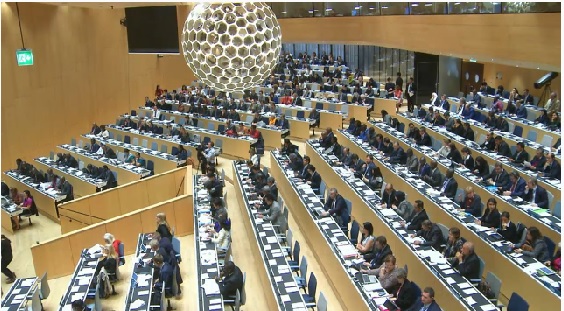
Negotiations for new global policies on intellectual property has become more challenging due to a greater competition in innovation, knowledge asymmetries, and the push for bilateral and regional treaties, the head of the World Intellectual Property Organization said today.

This week, the World Intellectual Property Organization annual General Assemblies will set the priorities and direction for the organisation for the year to come. The Assemblies also have before it approval of WIPO's budget for the next biennium 2016/2017.
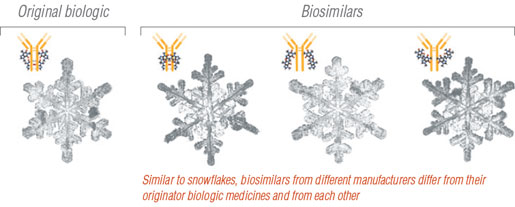
Free trade agreements should include incentives for generic and biosimilar medicines, speakers said at a panel during the World Trade Organization Public Forum last week.
Among the many topics at last week’s World Trade Organization Public Forum were panels on o partnerships and on digital trade. This article takes a brief look at two of the panels that touched on intellectual property rights.

We are in the midst of a “mobile revolution” that may equal the industrial revolution, and a key contributor is industry research and development and innovation protected by intellectual property, says a new report.
COPENHAGEN - Google is “really looking for a balanced IP system,” the company’s head of litigation told the Global Patent Congress, while the European Patent Office elaborated on the “Tomato II” case, which for civil society has become the very symbol of an imbalanced IP system. Intellectual Property Watch spoke with senior officials at both Google and the EPO at the conference.

KAMPALA, UGANDA - The pharmaceutical industry in the East African Community is approaching a higher level of production quality and manufacturing practices. To benefit the industry and increase access to medicines, stakeholders are working towards a united regulatory policy framework aimed at harmonising industrial, health and regulatory policies.