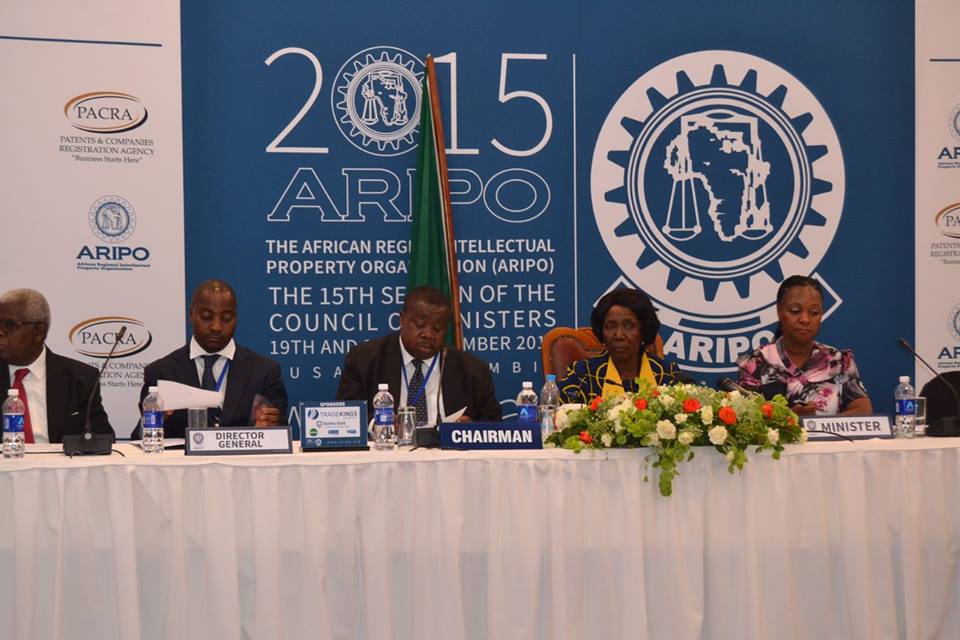
ARIPO Continues To Build Member State IP Capacities
The African Regional Intellectual Property Organization (ARIPO) recently held two top organ meetings in Lusaka, Zambia, to debate the organisation’s strategic plan for 2016-2020.

Original news and analysis on international IP policy
The African Regional Intellectual Property Organization (ARIPO) recently held two top organ meetings in Lusaka, Zambia, to debate the organisation’s strategic plan for 2016-2020.
Ten sites allegedly disrespectful to Kemal Attaturk, founder of modern Turkey, were enough for the courts in Turkey to ban a whole platform - YouTube - from 2008 until the end of 2010. But a ruling of the European Court of Human Rights today declared the blanket blocking a violation of the right to receive and impart information freely, protected under Article 10 of the European Convention on Human Rights.
Two bipartisan United States senators today released the results of an 18-month investigation into the US$84,000 price of the Sovaldi hepatitis C drug, finding the pricing and marketing strategy was aimed at maximizing revenue at the expense of access and affordability. The new report also shows the high impact on US government drug procurement programs and other data.
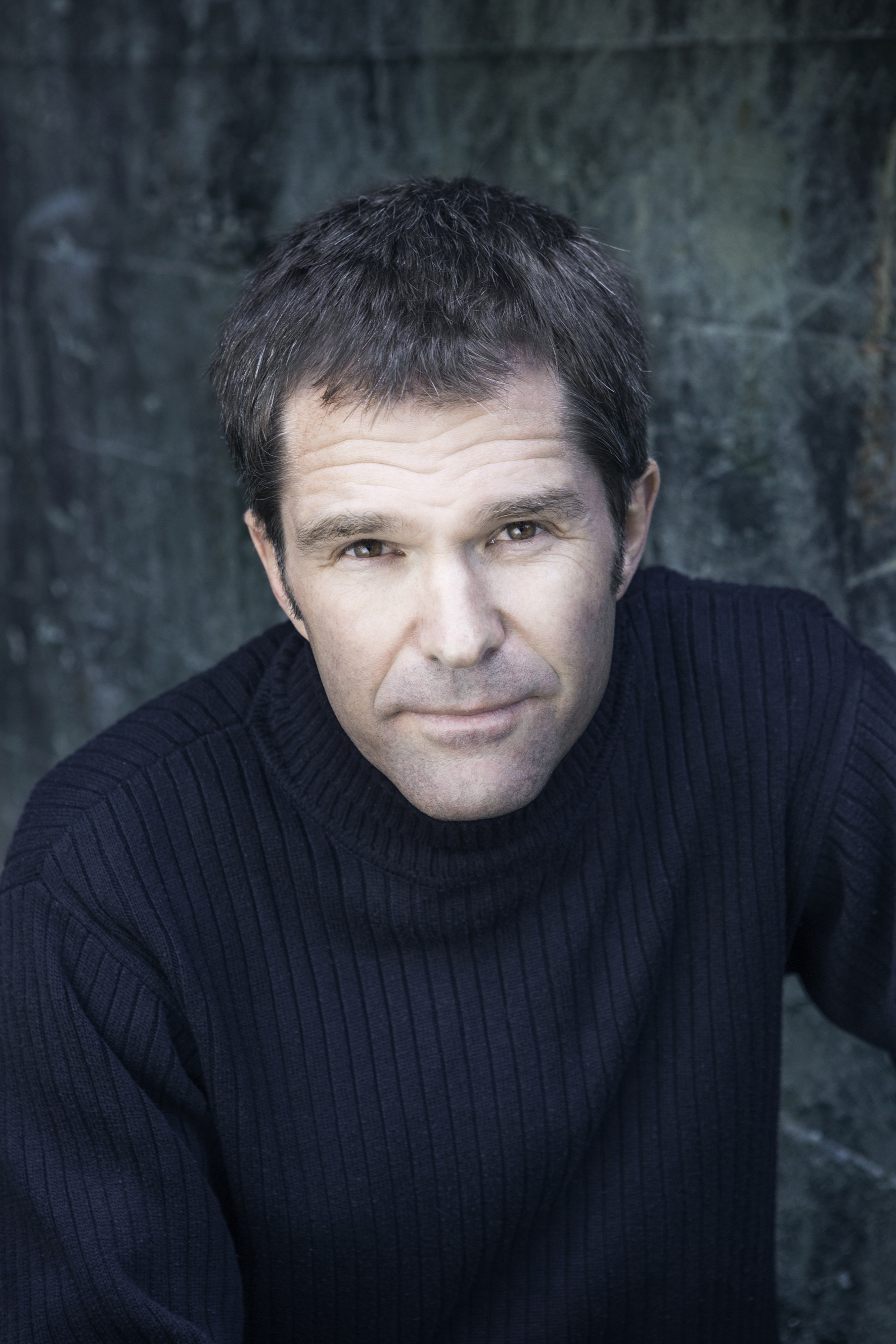
COPENHAGEN, Denmark -- Having led the successful collaborative testing of an Ebola-vaccine in record time, John-Arne Røttingen of the Norwegian Institute of Public Health now wants to expand the idea to a permanent global financing facility for research and development. And he is optimistic.
The Medicines Patent Pool has signed a collaborative agreement with the University of Liverpool to develop HIV nanomedicines.

Jonathan Band writes: During the negotiation of the Trans-Pacific Partnership Agreement, many concerns were voiced about how TPP would mandate adoption of US-style statutory damages. Under the US Copyright Act, a court can award damages of up to $30,000 per work infringed, which can be ratcheted up to $150,000 per work infringed in cases of willful infringement. Scholars have found that statutory damages in the US have discouraged investment in innovative technologies while incentivizing the emergence of copyright trolls. So how bad is the statutory damages provision in the final TPP agreement?

The World Intellectual Property Organization committee on patent law is meeting this week, including a half-day seminar on the relationship between patent systems and the availability of medicines in developing countries and least-developed countries.
The US government has been less than candid about the Trans-Pacific Partnership. While the agreement was being negotiated, the US Trade Representative stated that a much-criticized arbitration process included in the TPP would not apply to intellectual property. Turns out, it does apply to IP. And it provides foreign corporations with a huge advantage in IP disputes – private arbitrations that can override courts and statutes, effectively rewriting a nation’s IP laws.
A group of civil society organisations is calling for endorsements of a letter to the World Trade Organization prior to the upcoming Ministerial meeting in December aimed at preventing alleged efforts by rich countries to tighten international trade rules and introduce corporate “wish-list” issues from free trade agreements into the WTO.
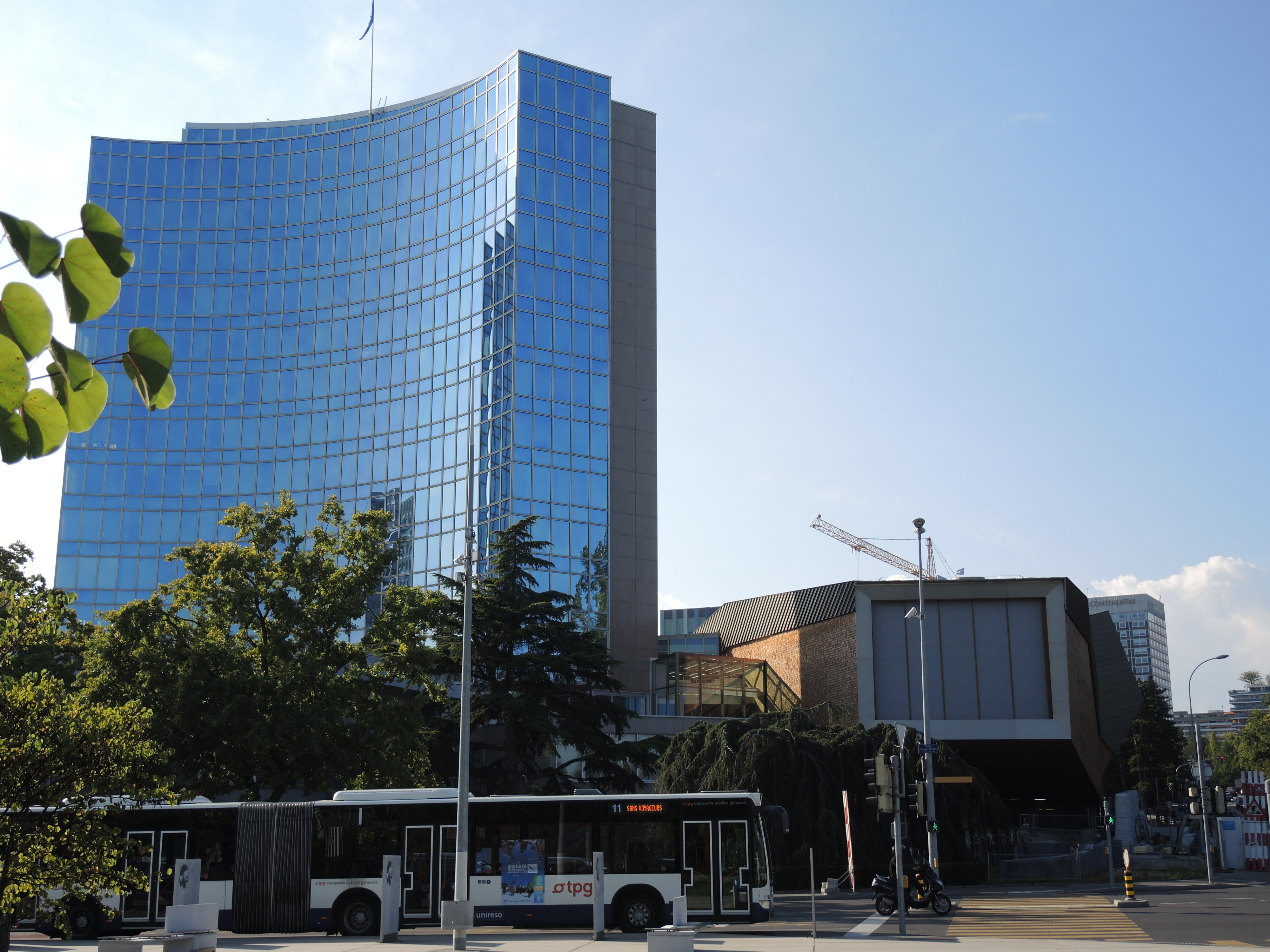
The chair of the World Intellectual Property Organization copyright committee has issued a new consolidated text on definitions, what should be protected, and the rights to be granted to broadcasters. The text comes in the lead-up to the next meeting of the committee.
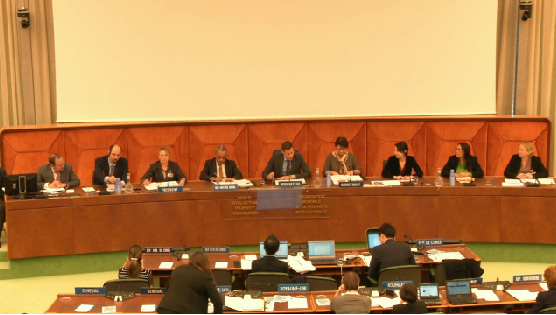
The World Intellectual Property Organization committee on enforcement concluded yesterday with an agreement on the future work of the committee. The adoption of this programme was heavily discussed during the week, reflecting the different approaches on enforcement of intellectual property rights among countries.

Authors will receive more for their inventions in Russia, as the local government has changed a scheme on the distribution of authors’ royalties. In addition, the government is setting up a new body to draw together the two dozen agencies that deal with aspects of the intellectual property system.