Category English

Revelations Illustrate Aggressive CIA Hacking, Sloppy Security Of Smart Services

Thought about buying a smart phone, smart TV, smart car? – think twice. Wikileaks today (7 March) released over 8,000 documents illustrating hacking activities of the Central Intelligence Agency, CIA. In what has been described by some commentators as a bigger leak than the Snowden revelations about the National Security Agency in 2013, the whistleblower platform allowed a glimpse into the CIA hacking into smart TVs and smartphones and presented a list of zero day vulnerabilities found, bought and sometimes shared with colleagues in other agencies, including British colleagues. Wikileaks announced that today’s leak was the “Year Zero” tranche of the much bigger “Vault 7” project: more redacted details from the documents and much more documents will be published.
A Review Of ‘Standard Essential Patents Within Global Networks – An Emerging Economies Perspective’ By Dieter Ernst

By Roya Ghafele, OxFirst - Dieter Ernst’s study is one of the few, if not the only one, to thoroughly examine the role, function and effects of Standard Essential Patents from a developing country’s perspective. As such, the study is a refreshing read, given that the discourse on Standard Essential Patents and the FRAND (fair reasonable and non-discriminatory) regime is pretty much driven from a developed country’s point of view.

Patent Data – The Modern Investor’s Crystal Ball

Sirena Rubinoff writes: What if there was a crystal ball that could tell you where and when to invest your money? It sounds like science fiction, but engineers at MIT have actually developed a formula that can predict future events in tech development. The formula is based on a combination of big data from patent applications and smart analytics which, when put together, can estimate how fast a technology is advancing.

UN Human Rights Council To Host Expert Panel On Medicines Access This Week

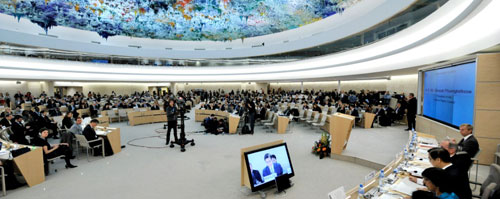
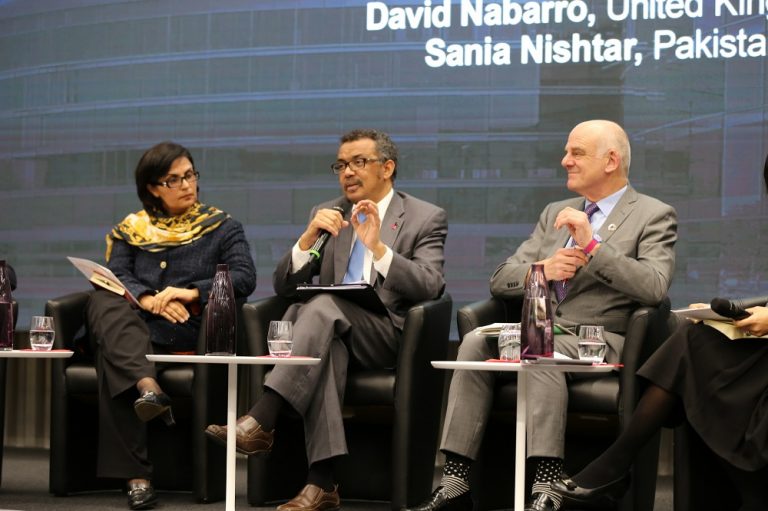
The United Nations Human Rights Council in Geneva this week will host a panel discussion among a notable range of experts on access to medicines and the controversial UN Secretary-General's High-Level Panel report issued last September. The panel is expected to lead to a report sent on to the Human Rights Council for possible action next autumn.

Global Fund Names Interim Executive Director Starting In June

The Board of the Global Fund for AIDS, Tuberculosis and Malaria has named Marijke Wijnroks of the Netherlands as interim executive director starting on 1 June until a new director can be selected. The international health financing facility this week decided to restart its director search from scratch after questions arose with the final two candidates to replace current Executive Director Mark Dybul, who will return to the United States at the end of his four-year term on 31 May.

WIPO Committee On Protection Of Folklore: New Inspiration From Developing Countries

There seems to be something in the air at the World Intellectual Property Organization committee working to find solutions to protect indigenous traditional cultural expressions (folklore) from misappropriation. After 16 years of snail’s pace and mostly unfruitful efforts, the landscape appears to be moving, as developing countries seek a common proactive position, with new treaty language, while the European Union and the United States seem to be increasingly lonely, according to sources.

E-Commerce, Access To Medicines Catching On At WTO TRIPS Council

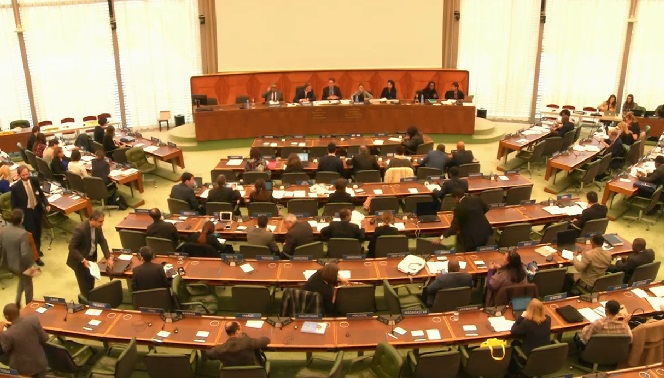
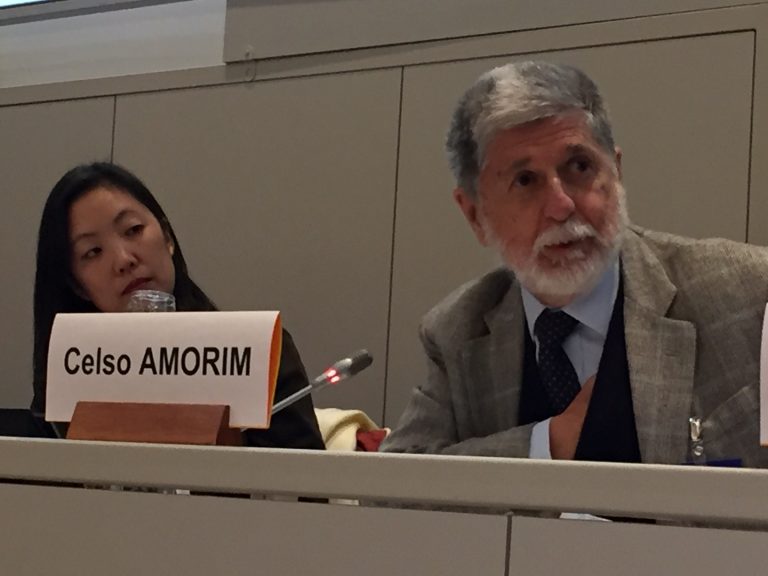
The World Trade Organization committee on intellectual property rights met this week with some discussion items that departed from past agendas but are becoming more familiar. A discussion on electronic commerce revealed interest from members, despite a slow start on details. And discussions on the United Nations High-Level Panel on Access to Medicines prompted nourished interactions and a wish by some countries to pursue the subject in future sessions.