Category English

Decision On Pandemic Flu Framework At WHA: Look Closer At Changes

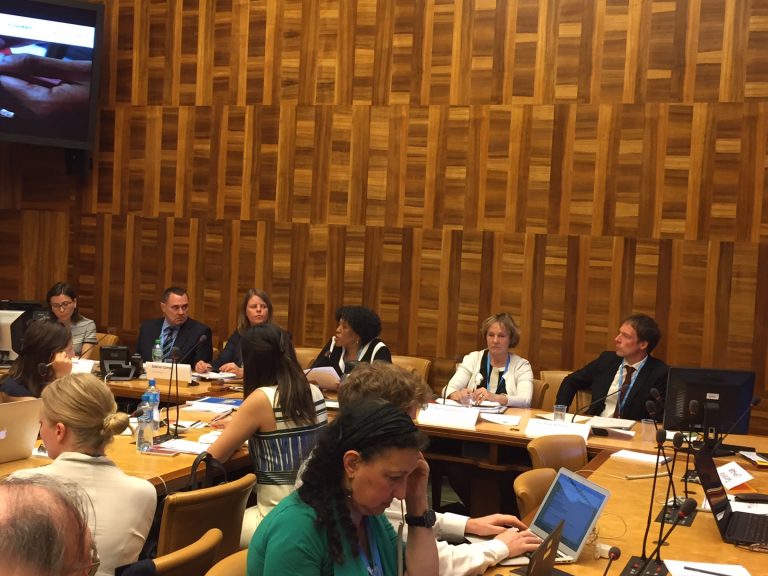
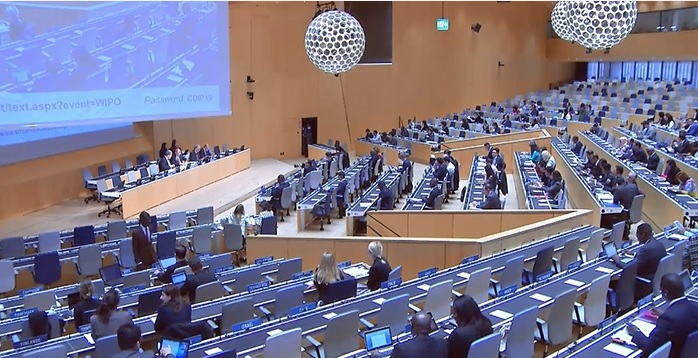
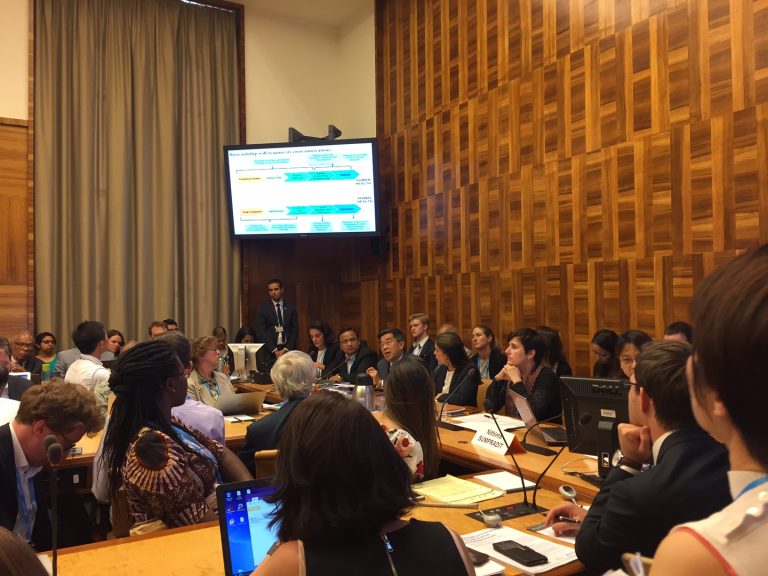
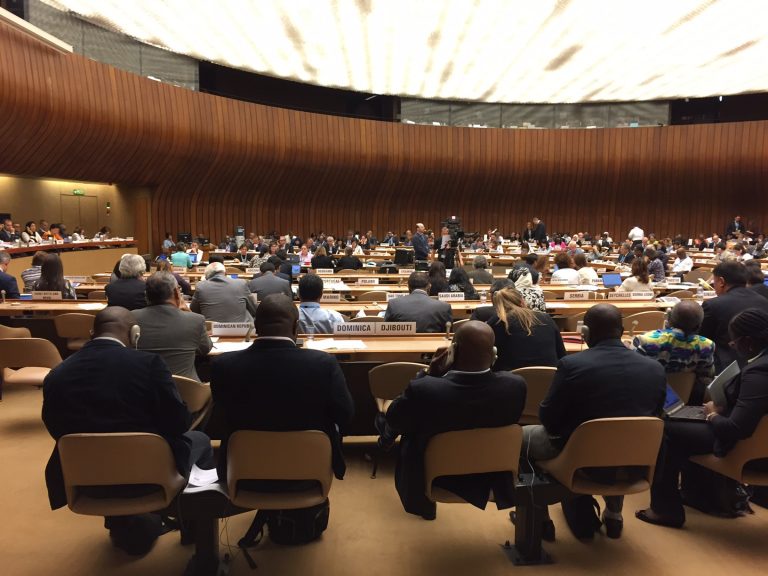
A committee at the World Health Assembly yesterday decided to seek a closer look at consequences of potential changes to the WHO framework on pandemic influenza. The decision, still to be confirmed by the World Health Assembly, requires in-depth analysis of how to handle pandemic flu viruses under the framework, whether the framework should cover seasonal influenza, and whether the framework should become a specialised international instrument on access and benefit-sharing.
Antimicrobial Resistance: PPPs The Way Forward, Speakers Say

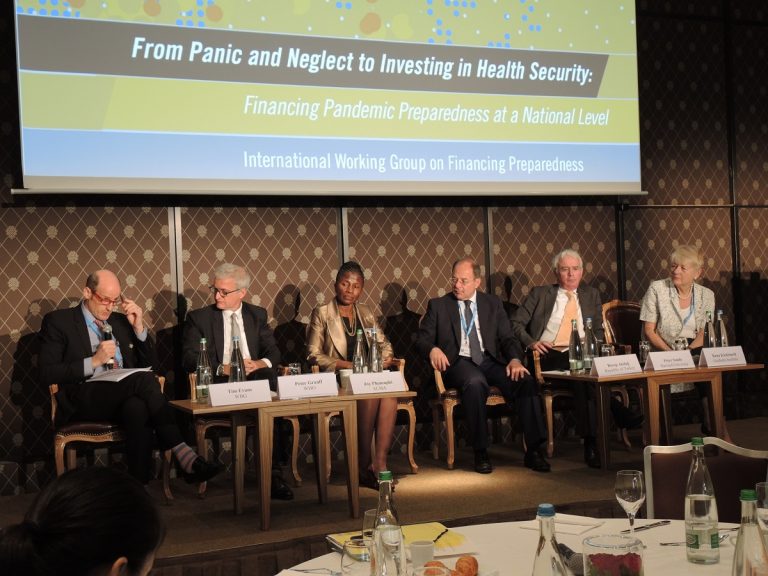
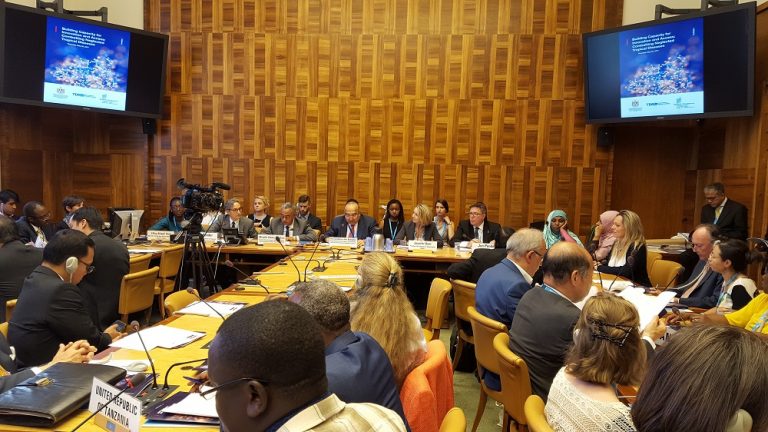
With global funding for research and development decreasing, and the growing threat of antimicrobial resistance, ways to incentivise research are seen as key to solving the problem. Speakers at a side event to the World Health Assembly this week presented models of public and private partnerships to address the issue.

Expanding Access To Medicines: What Role For Transparency?

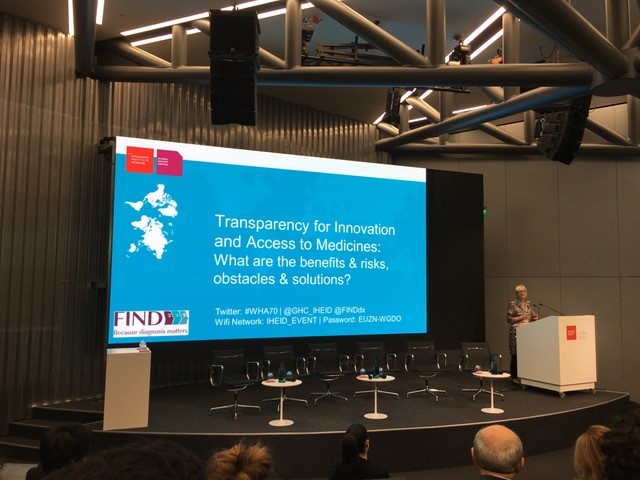
Transparency” and “accountability” are familiar buzzwords. Like salt and pepper, they pop up on nearly every list of ingredients for sound policy and good governance. But, as Ilona Kickbusch and Suerie Moon of the Graduate Institute Global Health Centre in Geneva point out, their details are rarely specified: transparency for what? Accountability to whom? On Tuesday afternoon, those not busy casting a vote for the next World Health Organization director general got the chance to dig into these questions at a panel co-sponsored by the Graduate Institute and FIND. In particular, discussion focused on transparency in terms of public access to two types of information: drug R&D costs and clinical trial data.

Beyond The Obvious – Direct And Indirect Territorial Coverage Of MPP/ViiV Voluntary License For Dolutegravir

Pursuant to a license negotiated by the Medicines Patent Pool (MPP) with ViiV Healthcare (ViiV), an important new antiretroviral medicine, dolutegravir (DTG), will soon be available via generic competition in all low- and lower-middle-income countries, and a significant number of upper-middle-income countries as well. DTG is a highly recommended integrase inhibitor which highly effective, durable, inexpensive to produce, and relatively safe with few side effects. It is already an alternative WHO recommended first-line medicine and will probably become the global standard of care following trials on use of DTG to treat pregnant women and people with TB.[1] But until the MPP can succeed in getting inclusive licensing terms covering all low- and middle-income countries (LMICs), this unique clause in the MPP-ViiV license should be adopted in future licenses, as it is a best practice to date in terms of expansive coverage, writes Brook Baker.

Tedros Warms Up To Press In First Meeting, Sees Clear Mandate In “Landslide” Victory

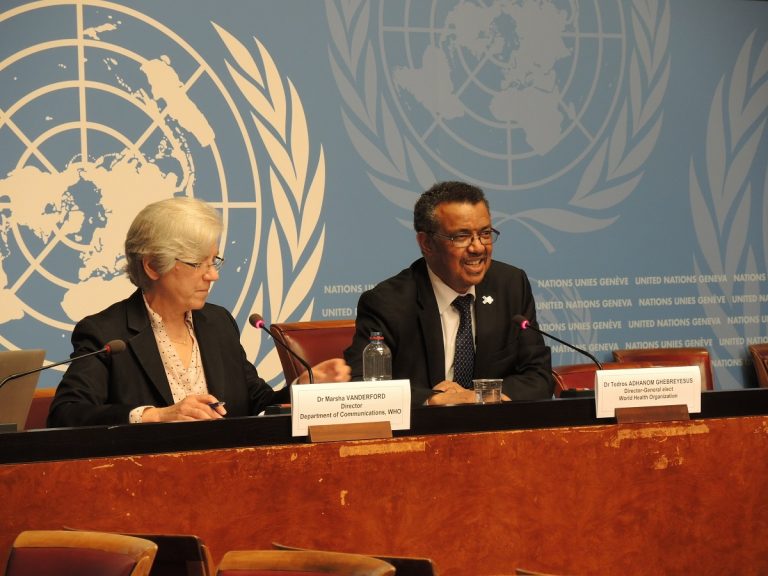
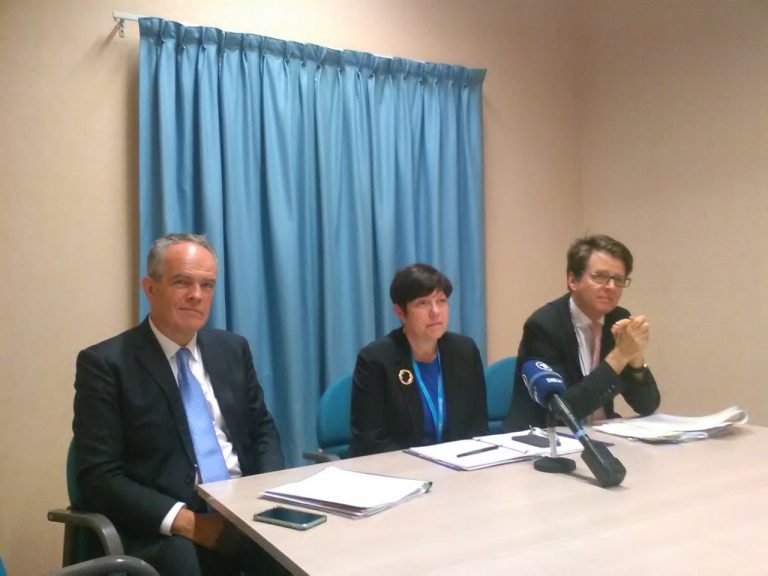
In his first meeting with the United Nations press corps the morning after his historic election as the next director general of the World Health Organization, Tedros Adhanom Ghebreyesus began to unfold his vision for the organisation and fended off questions about the United States budget by saying WHO has to diversify its funding base. He also signaled a variety of possible issues to come such as increased assessments on governments, and consideration of the recommendations of a recent UN report on access to medicines.

Partnership For Healthy Cities To Prevent Noncommunicable Diseases

Noncommunicable diseases, including heart disease, stroke, cancer, diabetes, and chronic respiratory diseases, cause 80 percent of deaths worldwide. Cities play an important role in the prevention of noncommunicable diseases and injuries as around half of the world population lives in urban settings, according to Bloomberg Philanthropies.

Antimicrobial Resistance Needs New R&D Models, NGOs Say

A group of non-governmental organisations organised a side event to the World Health Assembly to discuss the growing issue of antimicrobial resistance, the way to incentivise research and development for new antibiotics, and the imperative of affordability and accessibility of new products. The speakers mentioned alternative models, such as delinking the cost of research from the price of the medicines, underlined the high prices of vaccines, and the importance of systems of infection prevention and control.