Category English

Report From WHO Fair Pricing Meeting Shows Balanced Discussion

A wide range of governments and stakeholders attended a closed meeting in the Netherlands in May to address the ongoing problem of pricing medicines to pay for research and the resulting lack of affordability of those medicines. The report from the World Health Organization-led meeting shows a range of points were made by participants and signals a move to change the global policy.

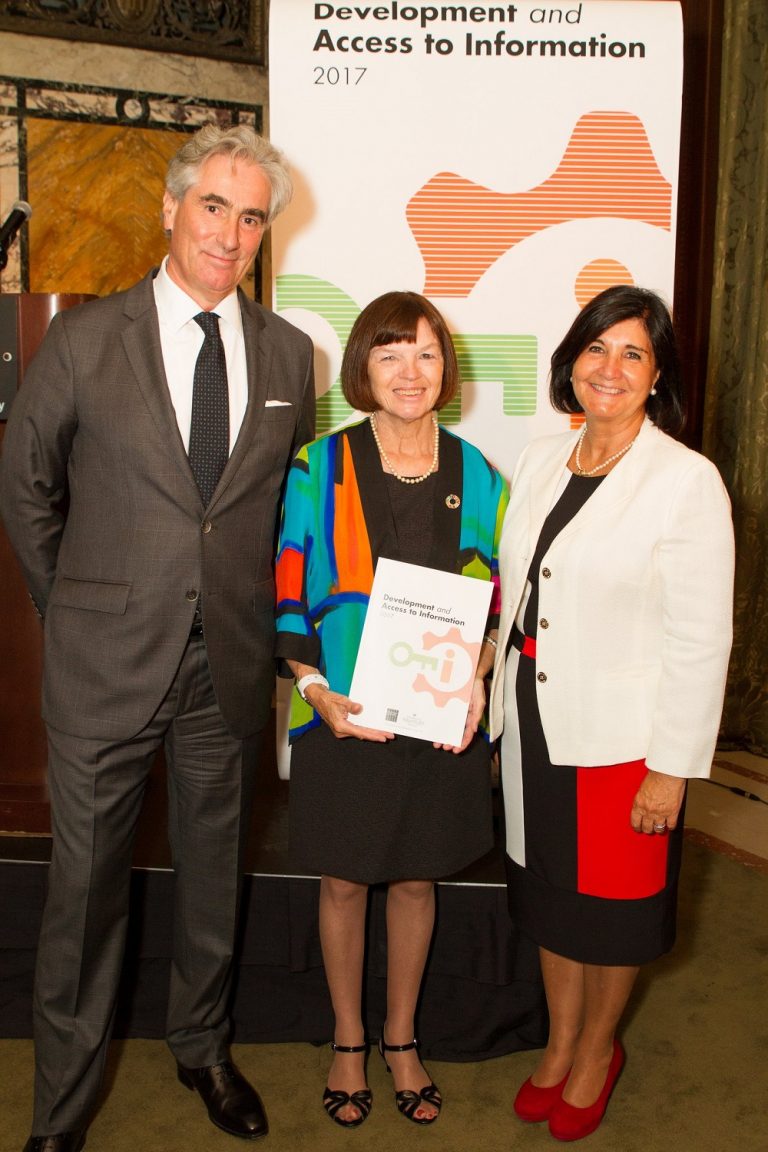
Information, Access, And Development: Setting A Course For The Sustainable Development Goals

Gerald Leitner writes: Information is the raw material for decision-making. When individuals and groups make the right choices, based on good information, their chances of taking a full role in economic, social, cultural and civic life improve. They can better create and innovate, participate in politics, find and do their jobs well, and live healthily.

Informed citizens and communities are also essential to the UN’s 2030 Agenda. We cannot have sustainable development when individuals are not able to deal with new choices and challenges autonomously, drawing on access to information. And we cannot have inclusive development, with no-one left behind, unless this access is real and meaningful for everyone.

Libraries have long sought to do this, making sure that the world’s heritage is preserved and made accessible, allowing the sharing of knowledge between institutions and across borders, and giving children, families, students and others the chance to enjoy works which they could never afford to pay for individually.


Companies Prefer Trade Secrets To Patents To Protect Innovation, EUIPO Finds

“Despite their economic importance, and in particular their role in protecting returns from innovation, trade secrets are poorly studied and their relationship with patents is often misinterpreted,” the EU Intellectual Property Office (EUIPO) said in a study published this month. It used a survey of around 200,000 companies in Europe's manufacturing and service industries to determine what factors influenced their choice between patents and trade secrets, as well as their overall use of both mechanisms. The results could help policy-makers, the Office said. It also holds out opportunities for innovative lawyers and intellectual property firms, said one IP management consultant.

Why Fair Dealing Is Not Destroying Canada Publishing

For the past few years, publishers around the world have engaged in a sustained campaign to hold up Canada as proof that making fair dealing more flexible for education will hurt publishers. Those efforts rarely tell the whole story: that paid access remains the primary source of materials in Canada, that educational copyright policies in Canada are primarily a function of court decisions not copyright reform (the emphasis on fair dealing came before the 2012 reforms), that global publishers were reporting marketplace challenges that have nothing to do with copyright, that Canadian publishers that supposedly stopped publishing were still in business, that court affidavits from Canadian publishers focus on many concerns other than copyright, and that a study from one Canadian publisher association highlighted issues such as open access and used book sales. University of Ottawa law professor Michael Geist expands on the reality of Canadian publishing and copyright law.

US, European Views On IP Management And Digital Business

Data-driven technologies are enabling the expansion of trade and data flows around the world. We have disruptive smart products, smart industrial processes, smart clouds and smart services. Traditional industries such as pharmaceuticals, chemical and mechanical engineering digitally transform production processes to generate custom-tailored services and improve competitiveness using artificial intelligence while new companies emerge with disruptive offers. Such artificial intelligence-based business models, however, are bringing about a rethinking in European regulations in relation to copyrights, such as that deployed by DeepMind and Pinterest, for instance, because machine learning may reproduce countless amounts of proprietary content to generate raw solutions. A recent event in Paris delved into these and other issues, including data ownership and access rights, as well as inventions by computers.

The Case For Nations To Act On Medicines Access

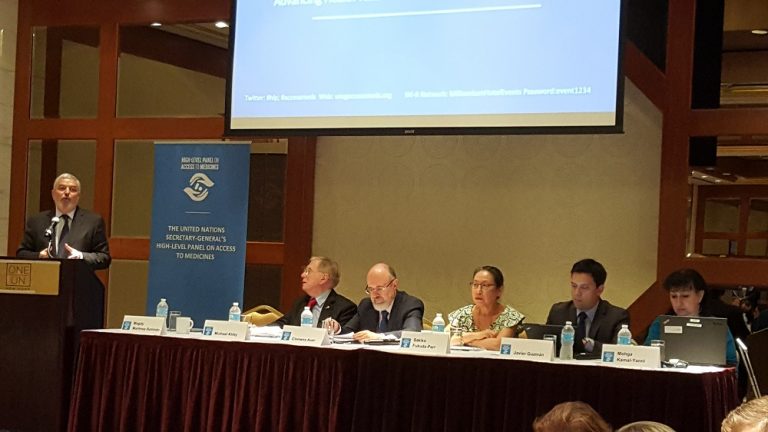
NEW YORK -- A range of speakers, including top health officials from both a developed and developing country, last week laid out the case for why the world’s leaders must now launch a shift in the way medicines all populations need are developed and priced. The need for global collaboration is clear, speakers said, but who will lead?

WHO Prequalifies First Generic Hepatitis C Drug And First HIV Self-Test

In the days before this month's AIDS conference being held in Paris, the World Health Organization has announced the prequalification of the first generic version of sofosbuvir, a "critical" medicine for treating hepatitis C. Treatment for hepatitis C under patent has been notoriously priced at extreme high levels, putting it out of reach of patients in economies of all sizes.

WIPO Moves Slowly On Reduction In Compensation For Geneva-Based Staff

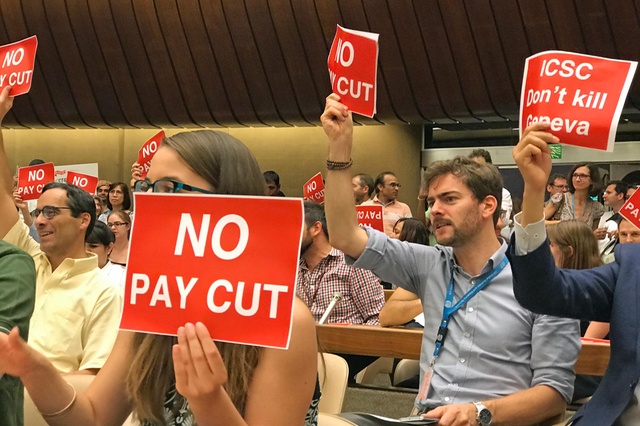
Earlier this year, the United Nations International Civil Service Commission called for a decrease in the compensation for the high cost of living for staff of Geneva-based United Nations agencies. At the World Intellectual Property Organization Program and Budget Committee last week, some countries asked why the decision was not reflected in the draft budget for 2018/2019. WIPO replied that discussions on the decision are ongoing among various agencies.

WIPO Proposes 10 Percent Cut In Governments’ Annual Contributions

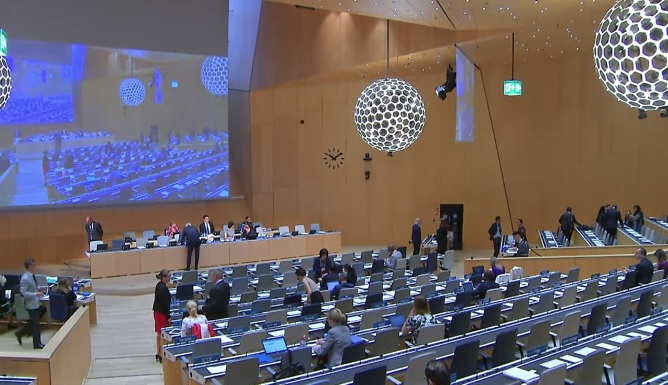
The World Intellectual Property Organization has proposed a 10 percent reduction in the contributions its member states make to the UN agency. The proposal, which met with some unanswered questions from WIPO member states at a committee meeting last week, is said to reflect the agency’s robust finances and will be taken up again in September. The move would shrink government contributions to WIPO’s overall budget to less than 5 percent of its total revenues.

Member states’ first reading of the proposed budget by WIPO for 2018/2019 also led to some amendments in programmes, notably new indicators of progress.

To Print Or Not To Print: Innovation And IP Issues In 3D Printing

3D printing used to be an expensive product design tool, but it is quickly becoming an affordable and accessible technology. First emerging in the 1980s, the availability of low-cost, high-performance 3D printers has put the technology firmly within reach of consumers. While this provides a number of opportunities for designers and manufacturers, there is also concern around the impact on IP rights, writes Jia Li.