Category English

Case Shows European Luxury Brands Must Be Popular In Japan To Be Protected There

In a recent decision, the Opposition Board of the Japan Patent Office dismissed an opposition filed by CFUB Sisley, a French producer of cosmetics and fragrances founded in 1976, against the word mark “SISLOY” written in a standard character. The case shows that the status of European luxury brand will not automatically enjoy broader scope of protection in Japan unless the brand obtains a high degree of popularity and reputation among Japanese consumers, writes Masaki Mikami.
New EU Commission Guidelines On Illegal Content Online Clarify Liability For Online Platforms

The European Commission today issued guidelines for removing illegal content online, largely following the lines of existing rules and guidance, but hinting at a possible future move to harmonise practices in this area. Technology companies breathed in relief as the communication did not appear to reduce their protection against liability for content carried on their networks and devices, though it did provide extensive clarification on the liability exemption.

How USPTO Patent Reviews Became Imperiled

Initially, the lawsuit was widely viewed as a waste of time. The suit asserted a strained legal argument that already had been rejected twice by federal appellate panels, in 1985 and 1992. Yet this lawsuit, Oil States Energy Services v. Greene’s Energy Group, has now reached the US Supreme Court. So later this term, the high court will decide whether the US Constitution prevents the US Patent and Trademark Office from ever striking down issued patents.

Disparity In Access To Medicines Spurs “Humanitarian” Patent Licensing

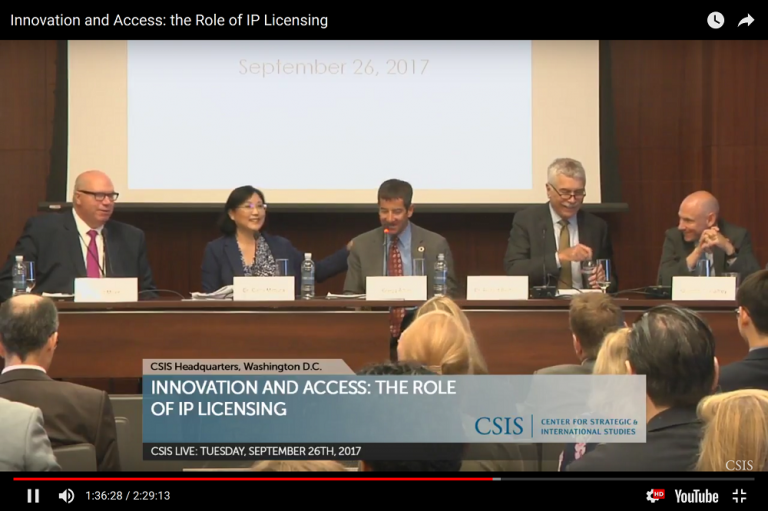
“There are shameful access disparities around the world” to life-saving medicines, Harvard University Global Access in Action project Co-Director Quentin Palfrey said at a 26 September Center for Strategic and International Studies event in Washington, DC. And while some of the challenges to fuller access involve pricing, getting medicines to poorer countries or populations means overcoming the obstacles of insufficient research and development (R&D) incentives, access barriers and polarised politics, he said.

Four Stages To Monetizing A Patent Portfolio

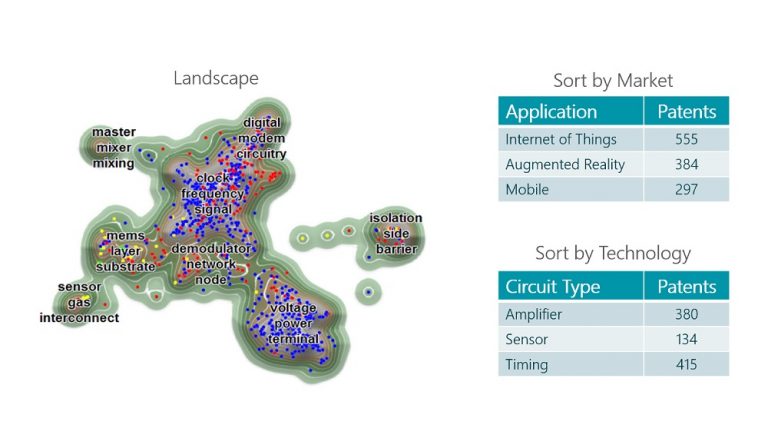
 By Martin Bijman, Director, Intellectual Property Products , TechInsights Successfully pursuing the monetization of IP assets requires an accurate assessment of their value and position within the marketplace. Essentially, monetizing a patent portfolio includes four key steps: Developing an accurate…

Use Competition Law For Wider Access To Cheap Medicines?

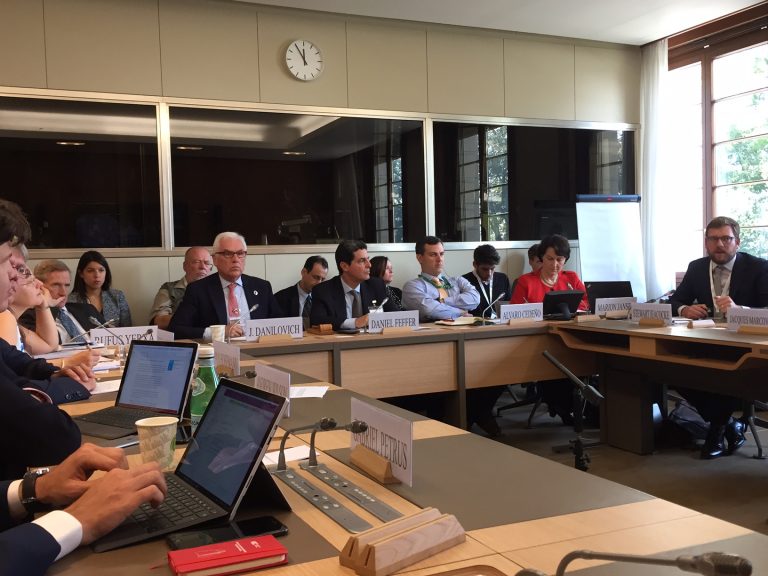
The topic of access to medicines has gained momentum in recent years as high prices of new medicines affect developing countries and developed countries. The role of competition legislation in preventing market abuses and monopoly situations has been pointed to as a possible lever to facilitate access to generic medicines and balance the potential negative effects of intellectual property protection.

Initiative Aims At Using New Technologies To Reinvigorate International Trade

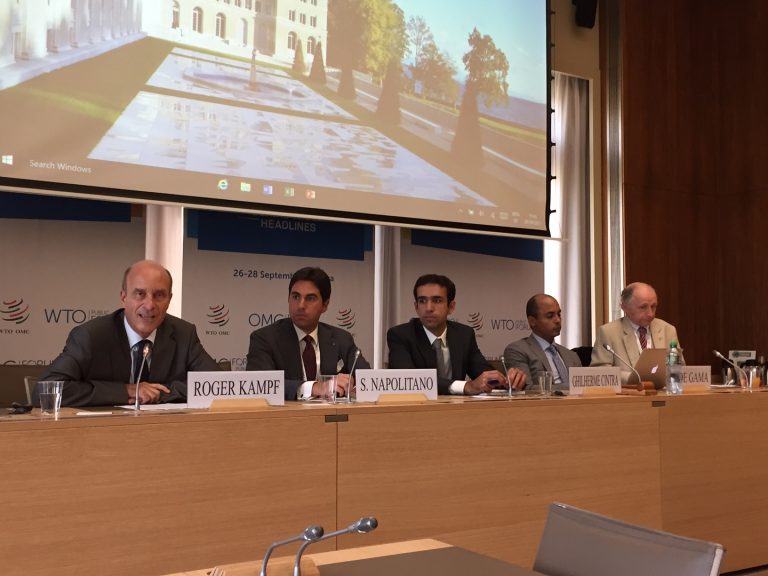
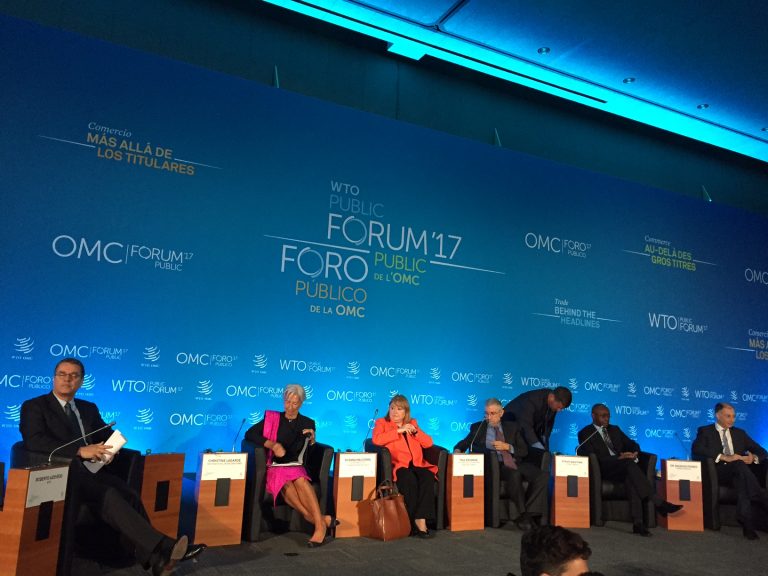
As protectionism tempts some, the International Chamber of Commerce Brazil is launching an initiative to bring new technologies to the rescue of international trade. The new digital age holds promise and is inevitable, but requires solid policymaking and improvement in such areas as education and broadband coverage to deliver on its possibilities, panellists at the World Trade Organization Public Forum said today.

G7 ICT Ministers: Free Data Flows, More Access To Data, But IP Protection Nevertheless

Openness, security and the support for innovation through the empowerment of small and medium companies are the three core points of the joint statement of the G7 ICT Ministers after their two-day meeting in Turin, Italy ending today. While the host, Italian Minister of Economic Development Carlo Calenda, heavily underlined the need to avoid in digitalisation policies the mistakes made in globalisation, many topics of the final statement point to highly familiar commitments, with better protection of intellectual property being one.

US Firms Rush To File Patents Ahead Of Driverless Car Boom

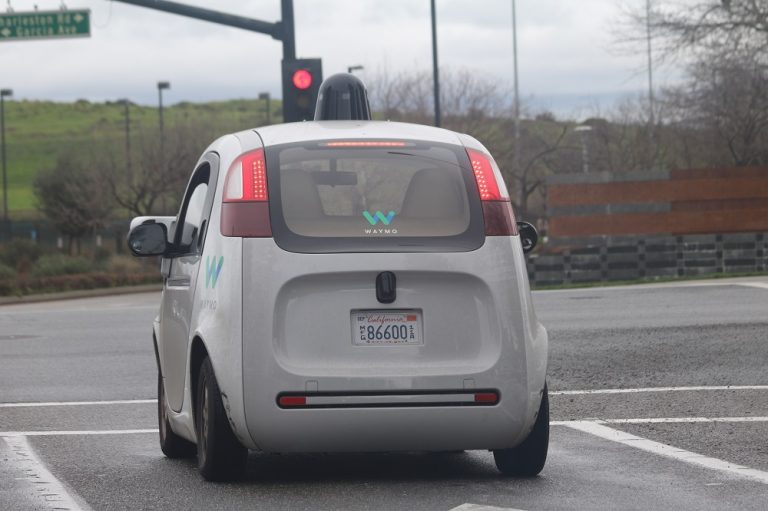
The socioeconomic impact driverless cars are expected to have is often compared to that of the internet, or going further back in time, to the industrial revolution. As fleets of vehicles that pilot themselves approach commercial rollout thanks to developments in artificial intelligence (AI), machine learning, and other technologies; original equipment manufacturers are aggressively filing patents for their self-driving vehicle designs. These players include General Motors and its Cruise Automation subsidiary, German automotive supplier Bosch, Ford, which owns a stake in driverless car start-up Argo AI; and Google sister company Waymo.

Infojustice: Ottawa NAFTA Round Turns To Copyright

Infojustice writes: It was being reported among various observers of NAFTA over the weekend that the talks in the IP chapter are progressing toward Copyright. The US appears poised to table the first set of its demands for that portion of the IP chapter. But it is also rumored that that the US demand may exclude the issue of copyright balance.