Category English

EPO Reports Record Volume Of Patents, Seeks To Assure Quality

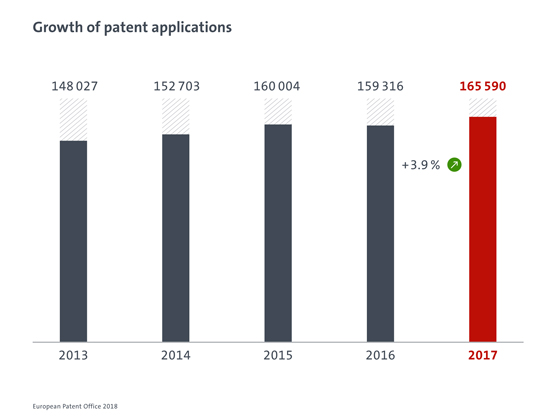
The European Patent Office today issued statistics which it claimed show the continued ascendance of Europe as a premier destination for patenting, not only from European countries. The statistics focus strongly on the increased volume of patents filed and granted, which it argued is a result of the office's focus on "efficiency and quality" and a boost to innovation.

Early Certainty Initiative Of The European Patent Office – Flexibility For Biotech Needed

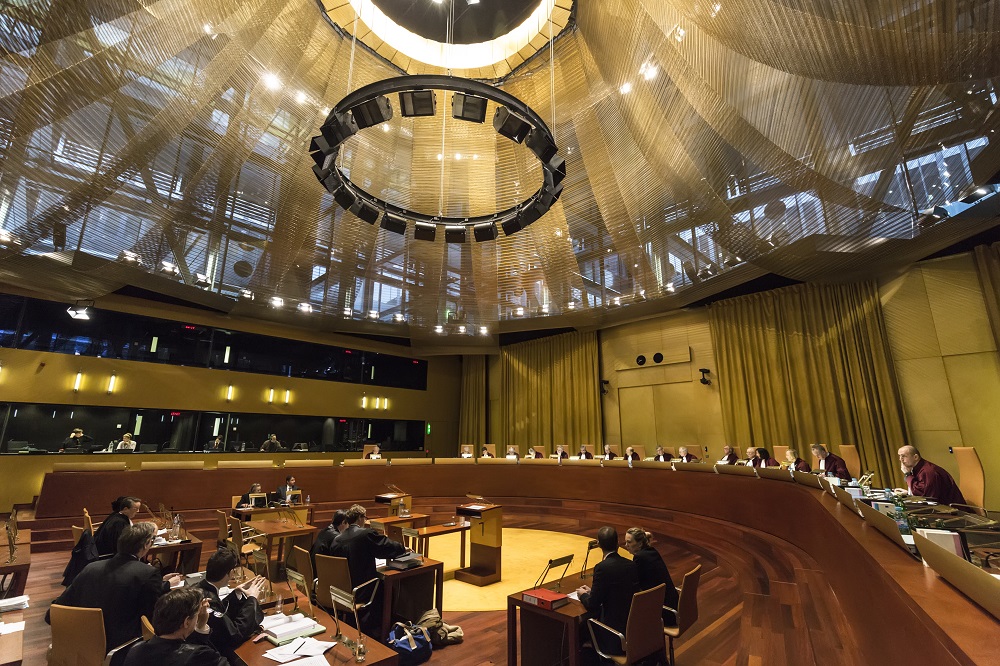
In 2016, the European Patent Office (EPO) introduced a streamlined opposition procedure that should simplify opposition proceedings and deliver decisions faster, while giving parties more time to react to summons and prepare for oral proceedings. This new initiative, called early certainty, aimed to cut down the overall duration of granting new patents and to tackle the backlog in patent granting within the EPO, writes Michael Kahnert.

USPTO To Reveal New Design For Patents This Week

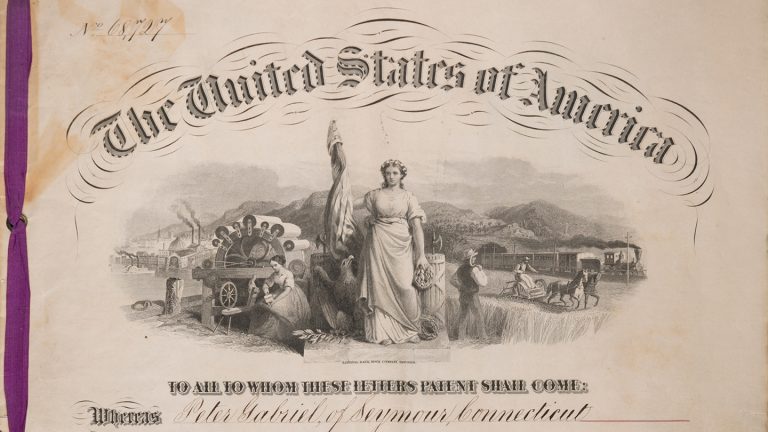
The United States Patent and Trademark Office (USPTO) will make public the new design for patents this week at the South by Southwest (SXSW) Interactive Festival in Austin, Texas. The new design will first be used on patent number 10 million, expected to issue this year. There have fewer than 12 basic design changes to the US patent since President George Washington granted the first patent in 1790, and only two in the last 100 years, USPTO said.

Tough Talk On Transatlantic Privacy, Once Again

The EU Commissioner for Justice, Consumers and Gender Equality, Věra Jourová, ahead of her US visit announced “a tough tone” on remaining gaps in the implementation of the privacy shield, the arrangement that allows to transfers of data of EU citizens to the United States. Speaking before the EU Parliament's Committee on Civil Liberties (LIBE), Jourová said while she had heard the privacy shield was not a priority of the US administration, “it will be a priority, if we make clear that we will suspend the system if it doesn't work,” adding, “My patience is coming to an end.”

A Look At The Role Of Governments, Universities, Science In Health Innovation & Access

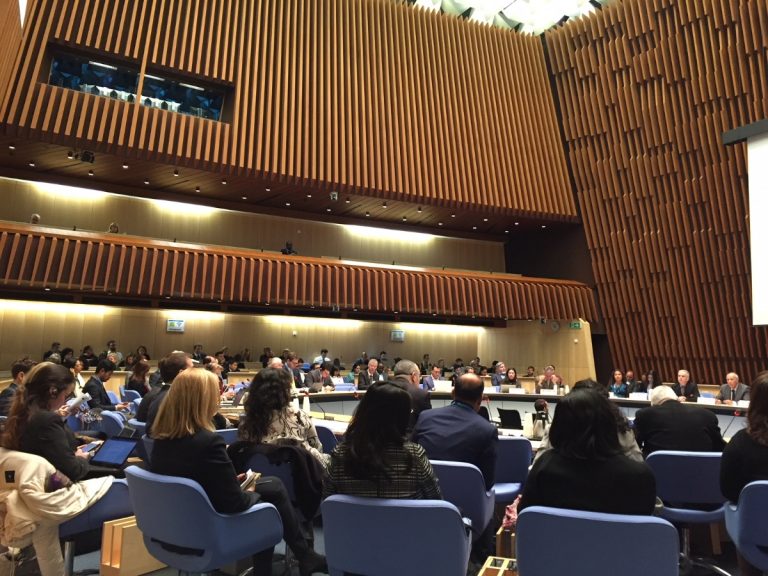
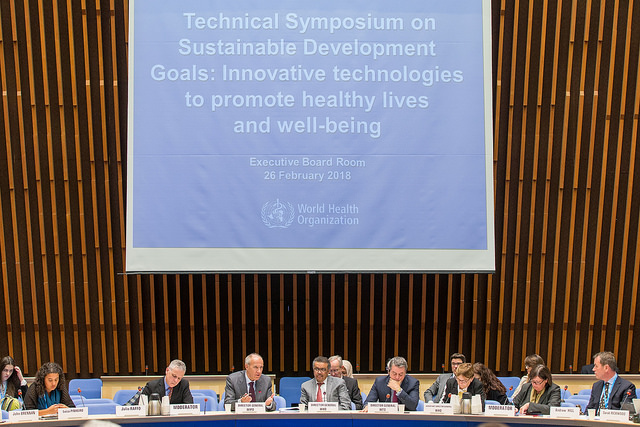
Intellectual property rights, particularly patents, are considered by some as being a barrier in access to medicines despite being a stimulus for innovation. At a recent symposium co-organised by the World Health Organization, World Trade Organization and World Intellectual Property Organization, speakers also talked about the role of science, governments, and universities in health innovation and access, and how to address challenges such as secondary patents.

Protecting And Promoting Copyright Balance In NAFTA

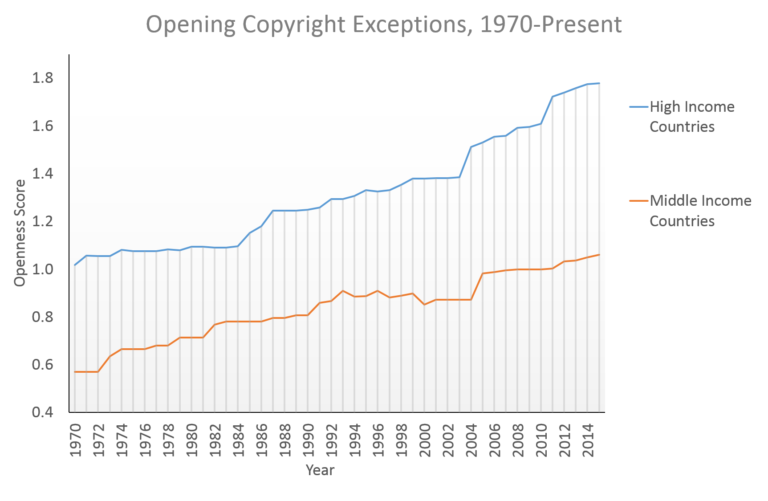
The ongoing NAFTA renegotiation presents a prime opportunity to move the ball on protecting and promoting general public interest copyright exceptions. All three countries have such exceptions to varying degree. And all three are under threat from an agenda to cabin their use through international law. NAFTA negotiators can and should include the best models from prior international agreements that protect and promote the ability of countries to have general exceptions, writes Professor Sean Flynn.

Medicines Vastly Overpriced, Generics Too: Discussion At WTO-WIPO-WHO Symposium

The price of hepatitis C medicine marked a turning point in the discussion on access to medicines, with developed countries suddenly confronted to prices they could not afford. This week, a symposium jointly organised by the World Health Organization, the World Trade Organization, and the World Intellectual Property Organization explored the question of the pricing of medicines. A number of suggestions were made to alleviate the issue, such as ensuring wide use of generic medicines, encouraging competition, and alerting countries about the cost of medicine production so they negotiate better with pharmaceutical companies.