Category English

Countries Discuss Prospect Of Plurilateral Agreement On Genetic Resources Protection

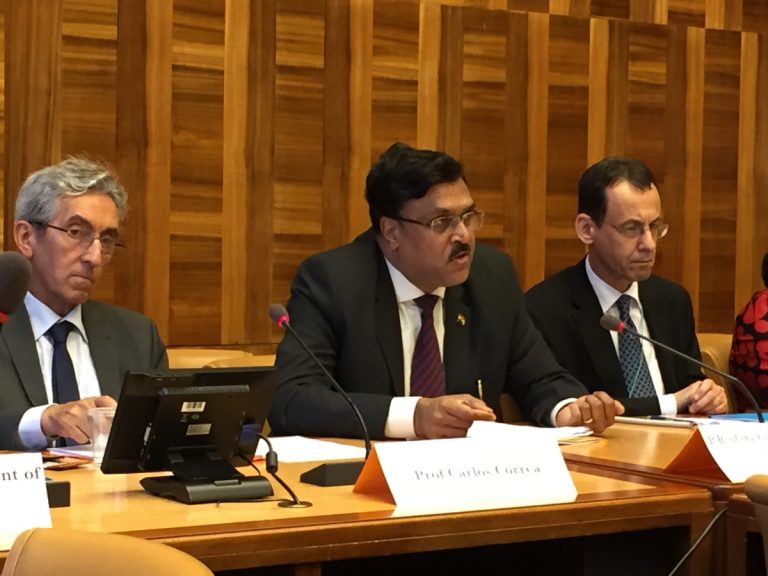
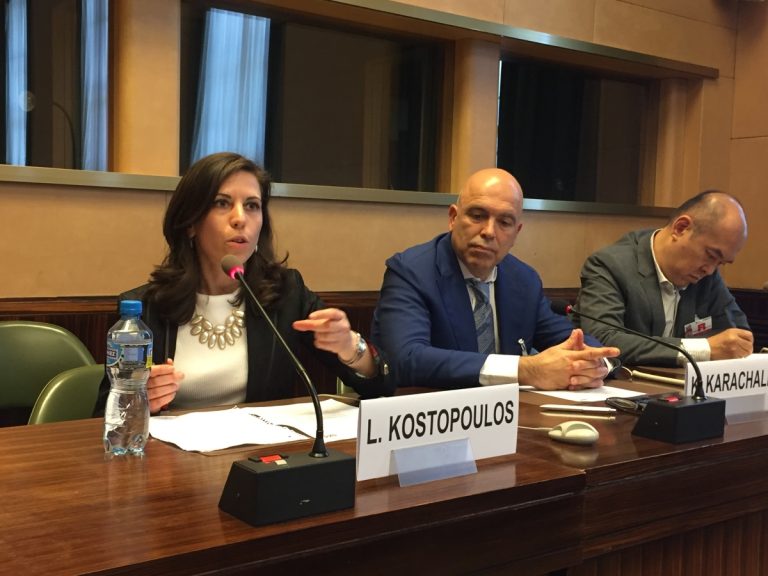
Faced with a longstanding lack of progress at the World Trade Organization and the World Intellectual Property Organization on the protection of genetic resources and traditional knowledge, some developing countries are examining the possibility of moving outside the multilateral system toward a plurilateral agreement with like-minded countries. During an international conference last week, panellists pondered the prospects of such an option.


Indigenous Peoples Seek Involvement In WTO To Defend Rights (Video)

Indigenous peoples are losing their genetic resources and traditional knowledge and need to be involved in negotiations on World Trade Organization intellectual property rules and the UN Convention on Biological Diversity, representatives told a conference on the subject last week. In a podcast and video interview with Intellectual Property Watch below, the indigenous representatives explain their case.

Major Emerging Economies Push To Revive Discussions On Genetic Resources Misappropriation At WTO

Efforts by developing countries to prevent the misappropriation of genetic resources and traditional knowledge have thus far been fruitless at the World Trade Organization. In particular, discussion on the relationship between the rules of the Nagoya Protocol on access and benefit-sharing and the intellectual property trade rules are going nowhere. In this context, India, supported by other major developing nations, initiated a two-day conference recently in order to look at ways to unlock the situation.

Experts To Regulators: AI Is A Panacea – With Hidden Dangers To Humanity

The heads of national telecommunications and technology regulatory authorities are gathering next month at the International Telecommunication Union to address new technologies. Not surprisingly, artificial intelligence and data hold centre stage in the programme. The meeting comes after a recent event at the United Nations where divergent voices recognised the potential beneficial uses of new technology, but warned against the undeclared intentions behind it. Separately, a new study from the Massachusetts Institute of Technology shows the influence of data in machine learning algorithms with chilling consequences.

Legislation For South Africa’s New IP Policy Likely After Elections Next Year

Legislative changes giving effect to South Africa’s recently published Intellectual Property Policy “Phase 1” will not take place during this term of government, the country’s trade minister has said. Meanwhile, a side-by-side comparison with the 2017 draft legislation shows a series of changes in the final policy, and the pharmaceutical industry is complaining but appears determined to continue investing in the country.

IP, AI, Health Commitments Mere Footnotes In Quarrel Between G6 And Trump?

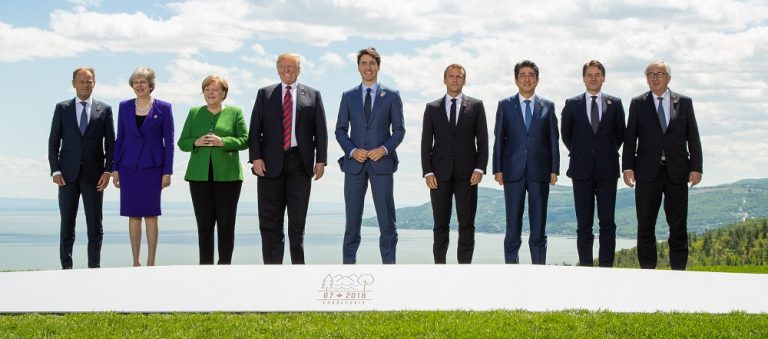
Leaders at the G7 Summit tried to mitigate tensions by taking on some US favourites in their final communiqué like “forced technology transfers,” a topic brought up only recently by the United States at the World Trade Organisation. Forced technology transfers, according to US diplomats, are licensing and administrative rules entertained by China to oblige foreign firms to share technology in exchange for gaining access to the Chinese market. They also had sought to agree on a vision for artificial intelligence, a range of health issues, and foreign cyber interference with elections.

Opportunities, Risks Of Rapid Technological Change Discussed At UN

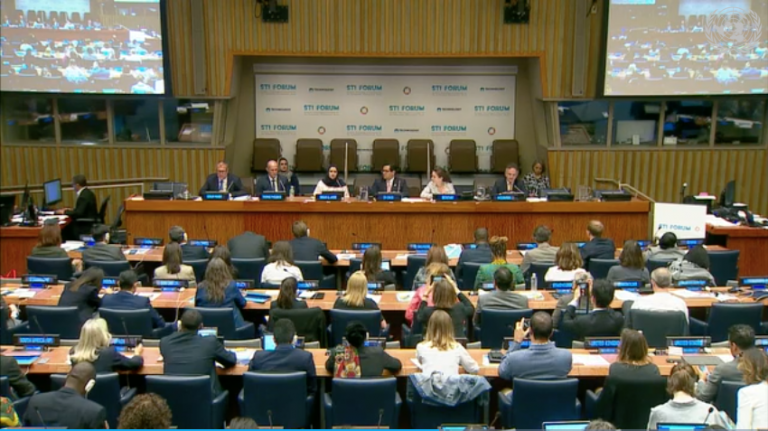
The Third annual United Nations Multi-stakeholder Forum on Science, Technology and Innovation for the Sustainable Development Goals opened with Marie Chatardová, president of the Economic and Social Council, stating that “STI is shaping the trajectory of our society, helping the world address global challenges and achieve Sustainable Development Goals.”

US Section 301, China, And Technology Transfer: Law And Its Limitations Revisited (Again)

Frederick Abbott writes: On 20 May 2018, US Treasury Secretary Mnuchin announced that the US and China were “putting the trade war on hold” while the two countries seek to “execute the framework” of a broad agreement intended to reduce the US trade deficit in goods with China. According to the joint statement issued on 19 May 2018, “Both sides attach paramount importance to intellectual property protections, and agreed to strengthen cooperation. China will advance relevant amendments to its laws and regulations in this area, including the Patent Law.”

TRIPS Council Debates IP Improving Lives, Competition Law To Increase Medicines Access

Whether intellectual property rights are improving lives or whether they should be reined in by tools such as competition law to increase access to medicine, education, and innovation, was debated this week at the World Trade Organization committee on intellectual property. Also on the agenda was a suggestion by least-developed countries to create incentives for developed country companies and institutions to transfer technologies for the benefit of the poorest countries.