
‘Google’ Not A Generic Term Yet, US Court Says
Googling may be a ubiquitous fact of life, but the company behind the term still has trademark rights, a US court has found.

Original news and analysis on international IP policy
Googling may be a ubiquitous fact of life, but the company behind the term still has trademark rights, a US court has found.

IRVINE, CALIFORNIA – Experts gathered here last week addressed the question of – one year later - what does the United States Supreme Court’s decision on human gene patents mean for scientific research and patent policy?

Infojustice.org writes: Last week, 23 civil society groups released the African Declaration on Internet Rights and Freedoms at the Internet Governance Forum, infojustice.org reports. The declaration is organized around twelve key principles, including Freedom of Expression and the Right to Information and Open Data.

The powerful World Intellectual Property Organization Program and Budget Committee in its recent meeting worked through a tough agenda of core decisions about the UN organisation’s functioning and future. The committee reached decisions on key issues related to strengthened oversight, the 2014-2015 programme, and financial issues, but couldn’t break through on issues like new WIPO field offices, streamlining committee meetings, accounting for development expenditures, or funding indigenous representatives to participate in WIPO negotiations.
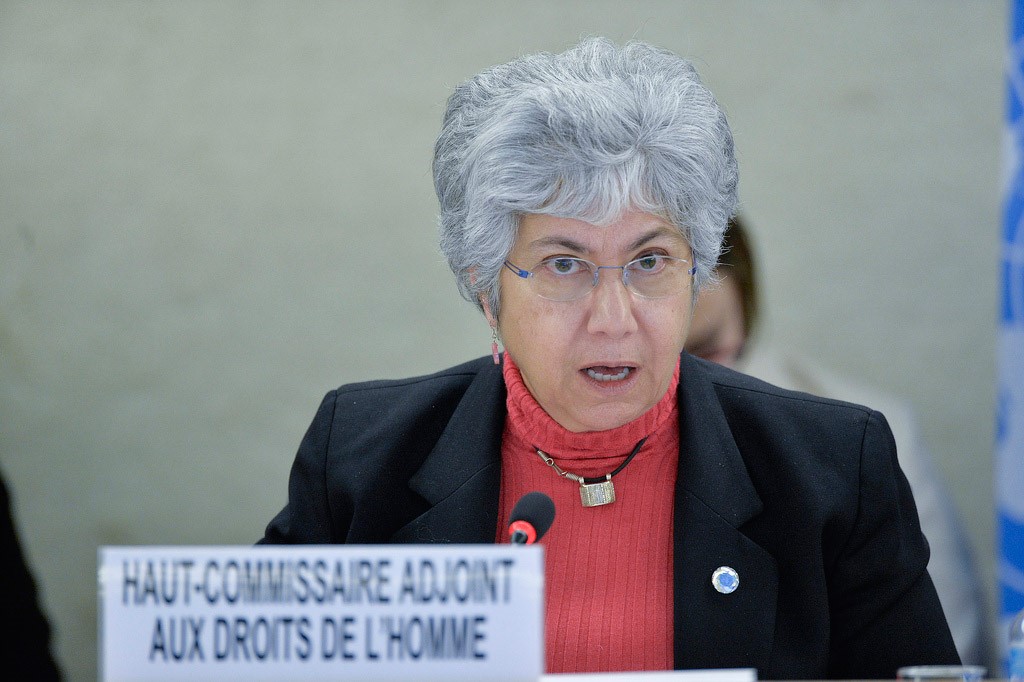
The UN Human Rights Council today held a panel discussion in Geneva on the right to privacy in the digital age, featuring several experts. The panel was part of a larger effort by the Council to address the increasingly urgent issue.

What is a mandatory licence? Mandatory licenses are a legal remedy within the intellectual property flexibilities provided by the World Trade Organization allowing a government to grant permission to third parties to produce a patented product or use a patented process without the consent of the patentee, in order to address a priority status for the country.
European Union governments may allow libraries to digitise books in their collection without rights owners' consent in order to make them available at electronic reading posts, the European Court of Justice (ECJ) said on 11 September. If library users want to print works out on paper or store them on a USB stick, however, rights holders must be fairly compensated.

The World Intellectual Property Organization this week released the decision in an internet domain name dispute in which the current incarnation of the once-wildly successful Napster music-sharing website successfully forced a website called napster.fm to shut down over intellectual property rights violations. Is Napster still cool?
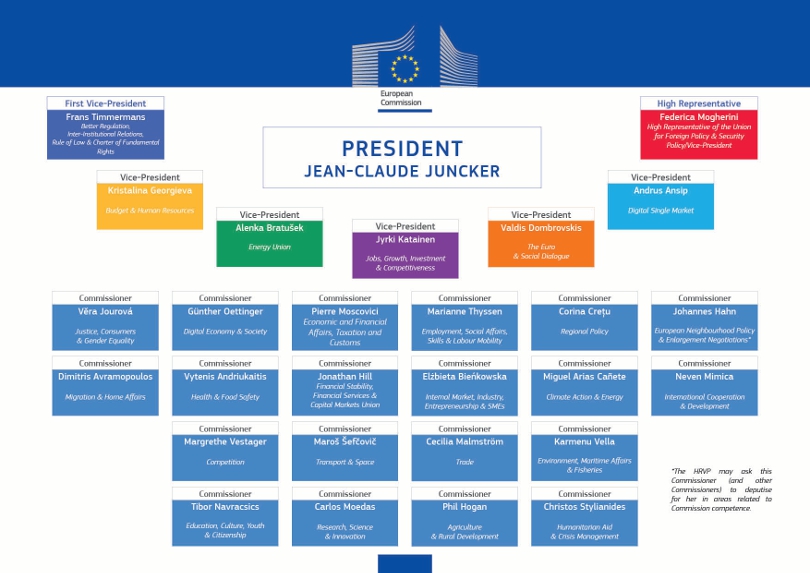
The structure of new European Commissioners and top officials was announced today, showing changes to the handling on intellectual property issues and many others.

Leading US trade associations representing the high-technology industry yesterday issued a joint letter urging the Senate to pass reforms to US surveillance programmes. The effort comes after revelations about the US surveillance have harmed overseas markets for US technologies, they said.
By William Rava and Jason Howell, Perkins Coie Product packaging is an increasingly important marketing opportunity. Well-executed product packaging can support and strengthen your brand identity, differentiate your product on the shelf, and convey important, and often required, information to…
Newly arrived United States Ambassador to the UN in Geneva Pamela Hamamoto last week met with journalists for the first time by highlighting internet governance and Ebola, with a mention of intellectual property rights, among other issues.