Category English

WHO-Led Study: Hepatitis C Treatment Unaffordable Globally, Threatens Health Systems

According to a new study by experts at the World Health Organization, prices of hepatitis C treatments are unaffordable globally and put a major strain on national health systems. Hepatitis C can cause liver cirrhosis and cancer, and with an estimated 80 million people affected in the world, if untreated, the sickness could lead to 700,000 deaths per year worldwide, the study said, suggesting that governments and industry stakeholders should develop and implement fair pricing frameworks.
WIPO Seminar: Experts Discuss IP Protection Of Genetic Resources

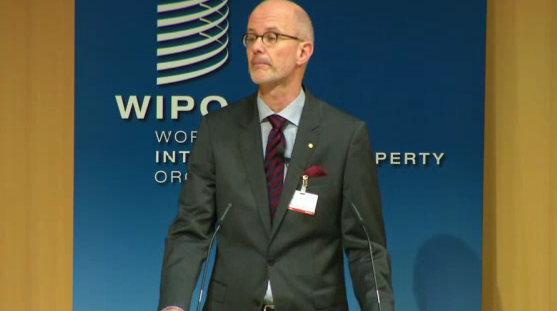
Last week, the World Intellectual Property Organization held a seminar on intellectual property and genetic resources. For over a decade, WIPO members have been discussing ways to protect genetic resources and associated traditional knowledge from misappropriation. The seminar allowed speakers from different regions and interests to offer their views on the topic.

WHO Boosts Efforts For Plain Packaging

"Tobacco-related illness is one of the biggest public health threats the world has ever faced," according to the World Health Organization, and plain packaging of tobacco products can save lives, it said. The theme of this year's no-tobacco day, today, is: Get ready for plain packaging, as the WHO is calling for countries to introduce plain packaging in their territories.

WIPO Delegates Seek Convergence On Protection Of Genetic Resources This Week

The protection of genetic resources from misappropriation through patents, for example without the consent of the resource owners, and in particular indigenous communities, or benefit-sharing when commercial benefits arise from the use of those resources is being discussed this week at the World Intellectual Property Organization. Two divergent broad perspectives on how to achieve such protection are hoped to come closer on core issues.

WHA Gets First UN Framework Managing Non-State Actors; Countries Satisfied, Actors Concerned

The first agreement on how to manage relationships between a United Nations organisation and non-governmental actors, such as industry, philanthropic organisations and public interest groups, was adopted on 28 May by the World Health Assembly. The framework, which had been discussed for several years, was hailed as historic by many countries, but met a mixed reaction from those primarily concerned.

WHO Drafting Group Agrees Resolution On Health R&D

A closed-door drafting group this evening arrived seemingly easily at agreement on a resolution on broadening work on new ways to fund research and development into medical products, according to participants. The agreement includes the creation of a new expert committee on health R&D, and asks for a WHO proposal on a pooled fund, they said. [Update: draft text now available]

Global Health In The Glare In G7 Final Resolutions; Trade Deals Promised For 2016

Reform of the WHO, support for the Contingency Fund for Emergency to enable swift initial responses by the WHO, and a special R&D and innovation chapter in the G7 Ise-Shima Vision for Global Health that does not include the word intellectual property are some of the notables after the G7 Summit closed today in Japan. Counting pages, Global Health and lessons from the recent Ebola and Zika outbreaks did receive the biggest attention. But the G7 would not be its old usual without considerable warnings and some concrete proposals how to fight global terrorism and violent extremism.

WHO Reforms Health Emergency Response But Who Will Pay The Bill?

Two years after Ebola, the World Health Organization continues to push forward with a thorough overhaul of how it responds to health emergencies. These include Public Health Emergencies of International Concern (PHEICs), such as the Ebola and Zika outbreaks, as well as natural diseases, conflicts, refugee crises, and the like.