Category English

Poland To Simplify Patent Procedures, Amend Patent Attorney Law

Poland’s Ministry of Economic Development has announced it is developing a package of 11 executive ordinances - of which nine are yet to be signed by the minister - to improve the procedures for obtaining trademarks and contacting the Polish Patent Office, reduce the costs of registering and protecting trademarks and industrial designs, and facilitate these procedures for small- and medium-size companies.

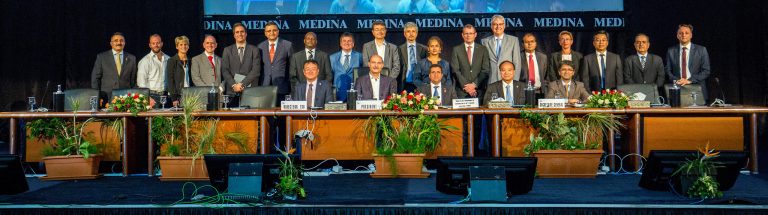
Standards Symposium Highlights Security, Privacy On Eve Of World Telecom Standardization Assembly

The 2016 Global Standards Symposium (GSS2016) organised by the UN International Telecommunication Union (ITU) in Hammamet, Tunisia, this week in its conclusions heavily supported privacy by design and collaboration on privacy issues. The consensus of participants was a little shaky though, with some representatives like the United Kingdom and United States questioning the procedure to approve conclusions immediately after the one day event on 24 October.

High Quality Patents Could Keep Patent Trolls In Check In Europe, EU Report Finds

A new report by respected economists under the European Commission has found that problems of patent assertion entities in Europe could be better controlled if patent quality stays high in the region. It also found that the majority of patent assertion entities in Europe have focused on vulnerable targets – mainly in the telecommunications sector - and the report provides significant research on such entities operating in the European Union. The findings shine light on the key role of standard essential patents, with suggestions for policymakers and predictions about the impact of the prospective changes to the European patent system.

WHO: More Hepatitis C Patients Being Treated In Developing Countries; Price Still An Issue

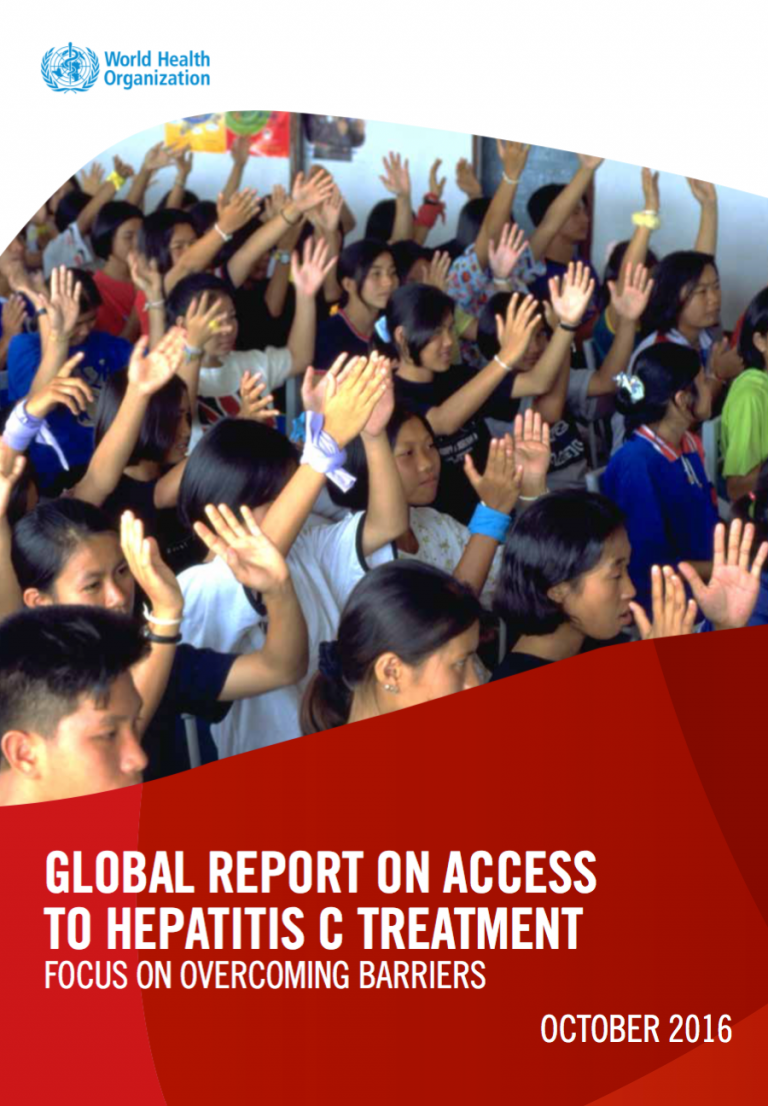
Innovations in medicine bring the hope of cure for millions of patients who can access them. When a novel effective hepatitis C drug was put on the market at very high prices, concerns erupted about access in both developing and developed countries. A new report by the World Health Organization found that over one million people have received new treatment for hepatitis C in developing countries. The report, which targets high prices as a major barrier to access to treatment, also compiles ways countries have overcome the access barriers.

Protecting Online Access To Safe And Affordable Medication

High drug prices are a global public health crisis. This is mostly the case among lower income countries but also for citizens and residents in the US, where tens of millions are not filling prescriptions due to cost. The international online marketplace is a much-needed lifeline for consumers who cannot afford prescription medication where they live. People deserve the widest possible access to safe and affordable medication, including online access, and the Internet community can help, says Gabriel Levitt.

Antimicrobial Resistance Needs Research, Regulation, Speakers Say

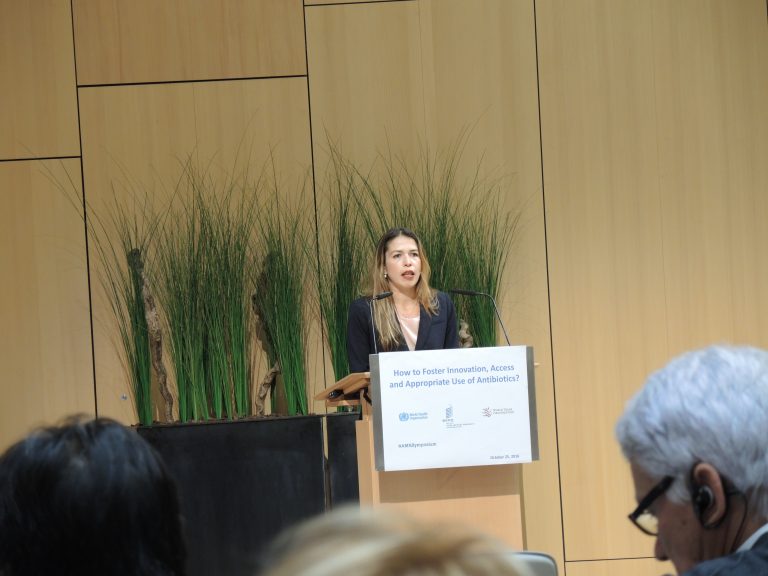
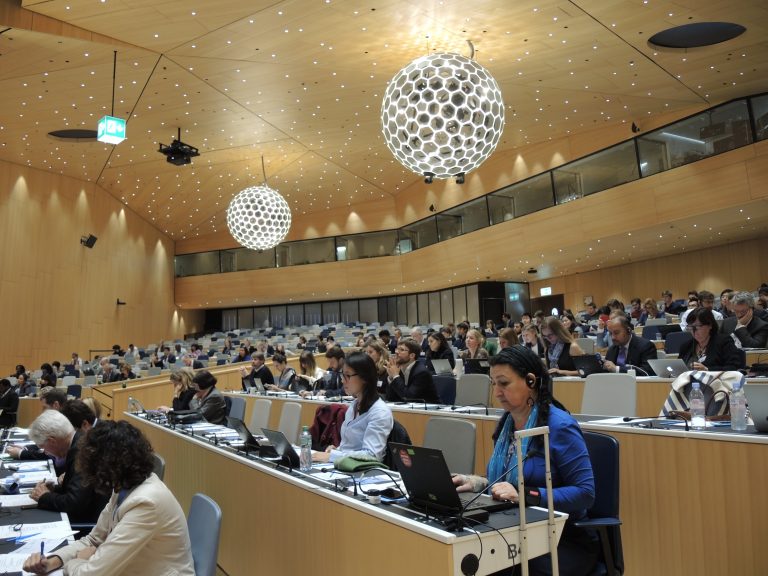
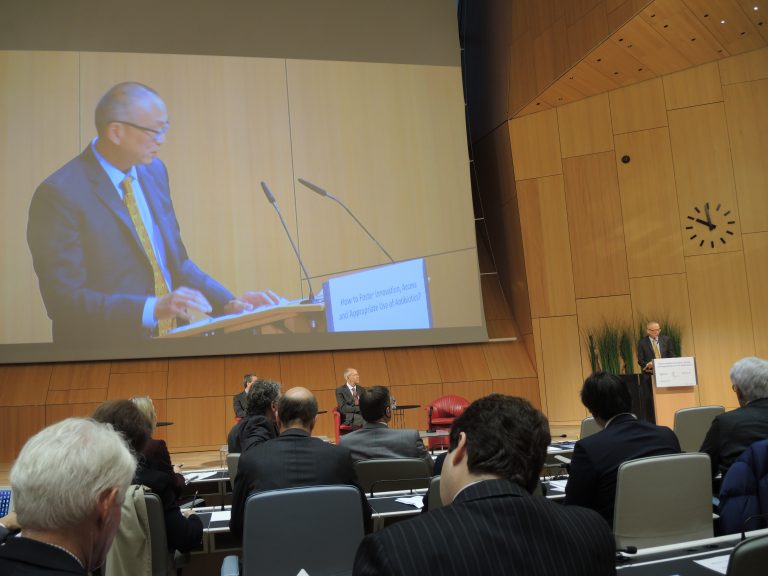
The issue of antimicrobial resistance has been in the spotlight in recent months as a growing awareness of the threat it represents for humanity has pushed discussions at the multilateral level. This week, the World Health Organization, World Intellectual Property Organization and World Trade Organization organised a symposium on the subject. Speakers discussed needs and potential solutions.

‘WHO Is Not Just Seeking To Be A Firefighter’ – Peter Salama On Reform And Emergency Response At The UN Health Agency

Under its new health emergencies program, the World Health Organization is setting up an improved structure for global health emergencies like the Ebola outbreak. But the UN agency is also opening itself up to a role as partnership broker to ensure the world has what it needs when the emergencies arise. And in doing so, WHO is trying to ensure that it remains the central player in global policy discussions and is not just an emergency response unit.

WHO, WTO, WIPO Put Their Collective Mind To Antibiotic Resistance Calamity

Resistance to antibiotics by bacteria has been steadily growing and is now considered as a major threat to global public health, with some catastrophic projections of millions of death and billions of dollars in economic impact. The World Trade Organization, World Health Organization and World Intellectual Property Organization today are holding a joint technical symposium on antimicrobial resistance, and how to encourage innovation, appropriate use of antibiotics, and wide access to treatments and diagnostics.

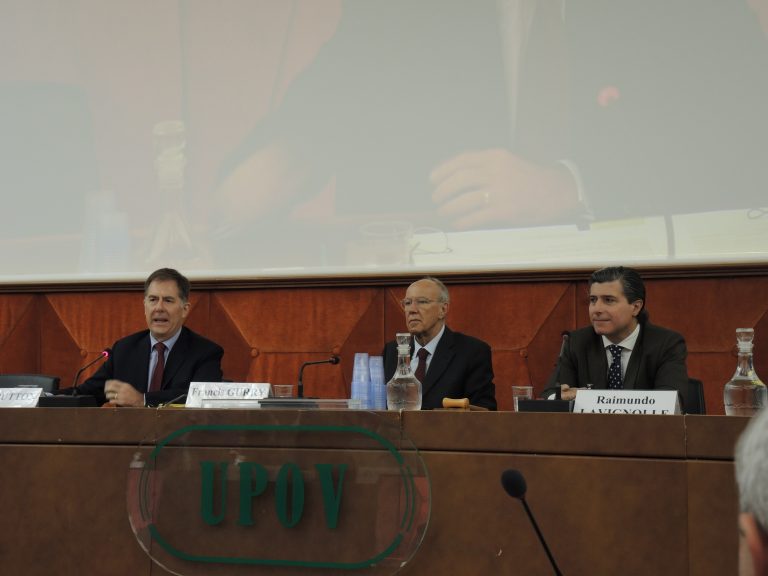
Farm-Saved Seeds Sow Discord; Breeders, Users, Seek Clear Definition At UPOV

When a harvested material from a protected plant variety, such as seeds, is used for further sowing and cultivating, royalties need to be paid to the breeder of this protected variety. However, according to breeders, farm-saved seeds are sometimes used as an excuse to avoid paying royalties, and clear definitions should be established internationally. Conversely, small farmer associations think that once farmers buy a protected variety, they should be able to re-use those seeds, exchange or sell them.

The International Union for the Protection of New Varieties of Plants (UPOV) organised a Seminar [pdf] on Propagating and Harvested Material in the Context of the UPOV Convention on 24 October.