EU Council Agrees To Remove Geo-Blocking Barriers To E-Commerce
The European Union Council of member states today agreed on draft regulations to prevent blocking of cross-border e-commerce, but appears to retain copyright restrictions.

Original news and analysis on international IP policy
The European Union Council of member states today agreed on draft regulations to prevent blocking of cross-border e-commerce, but appears to retain copyright restrictions.
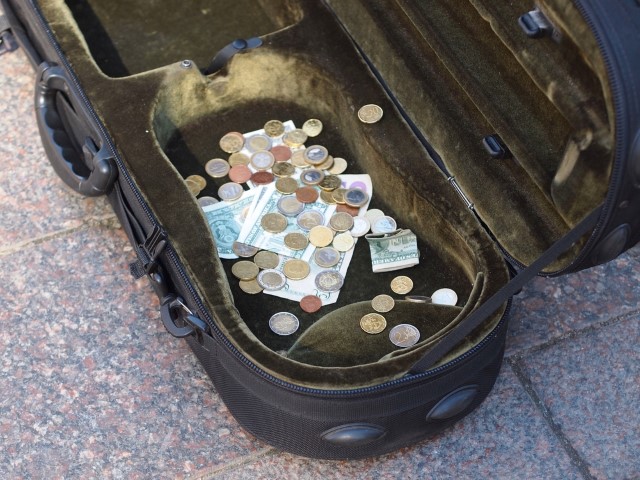
NAIROBI, Kenya -- A ruling this month by a Kenyan court that artists, performers and musicians cannot be compelled or forced to join a collective management organisation (CMO) to collect royalties on their behalf could spell doom for CMOs in the country, experts fear.
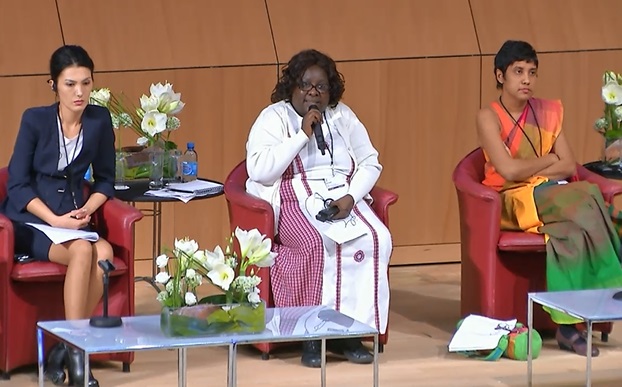
A seminar was organised by the World Intellectual Property Organization to provide a discussion platform on the eve of this week’s meeting on the protection of traditional knowledge, and as a way for countries to share systems of protection. Panellists presented views on possible graduated protection for different sorts of traditional knowledge.

The US Copyright Office is supposed to balance the interests of copyright owners with the interests of everyone else. However, the Office’s latest regulation, which takes effect 1 December, may be anything but fair and balanced. It could, according to critics, strip Facebook, YouTube, and other online companies of a vital statutory safe harbor, thus making these companies liable when their users post infringing material online. Online companies could face billions in infringement damages, driving them out of business.
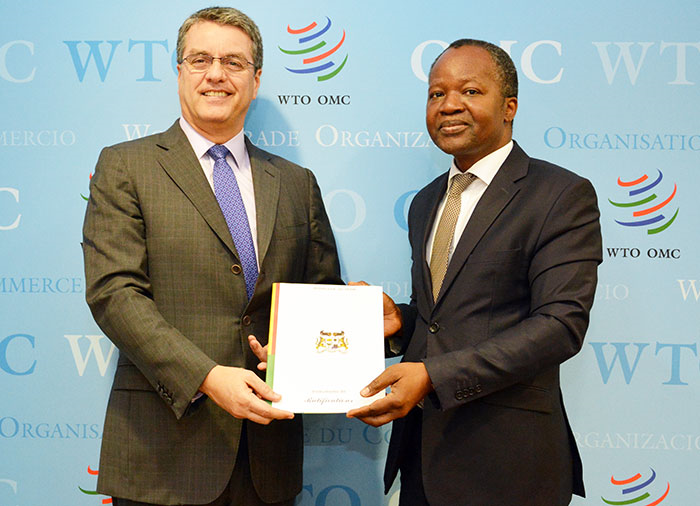
For Roberto Azevêdo, director general of the World Trade Organization, an amendment to the Trade-Related Aspects of Intellectual Property Rights (TRIPS) Agreement that affects access to pharmaceuticals for developing countries remains a priority of the WTO.
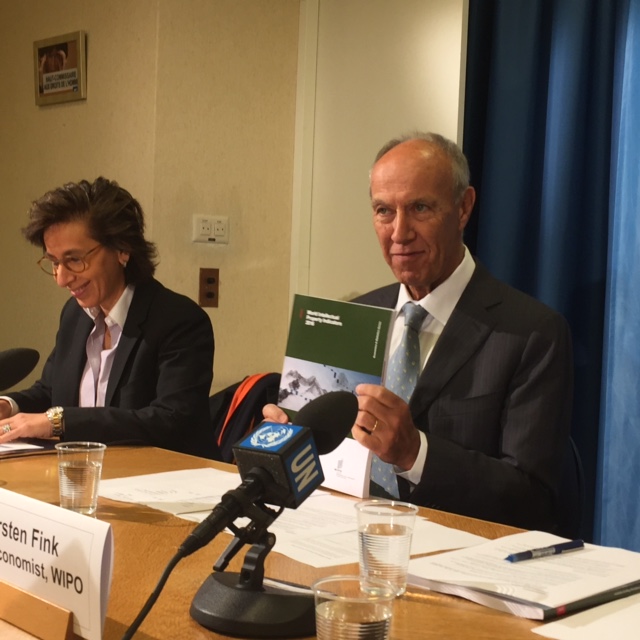
The World Intellectual Property Indicators 2016 report sounds like a refrain, but with some superlatives when it comes to China, which became the first intellectual property office ever to register over a million patent applications in a single year, in 2015. Against a background of bleak global growth, IP activities are flourishing. As in recent years, Asia dominates the IP global activities, while lower middle-income countries seem to have been unable to reduce the technological gap, and remain almost left out of the IP activity.
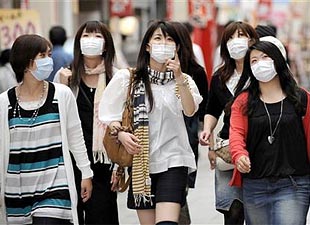
The World Health Organization has published two advanced documents to be presented at the organisation’s Executive Board meeting in January. One relates to the review of the WHO mechanism for pandemic influenza preparedness, and the other to the public health implications of the implementation of an international treaty on genetic resources.
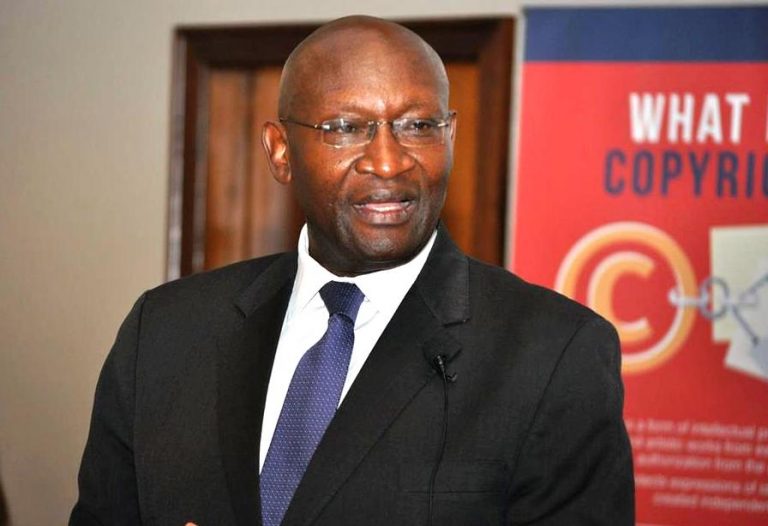
Collective management organisations need to embrace online trading platforms, so as to increase earnings for economies and creators. That was the call made during a recent regional workshop on digital licensing and documentation in Harare, Zimbabwe for music collective management organisations (CMOs) by the member states of the African Regional Intellectual Property Organization (ARIPO).
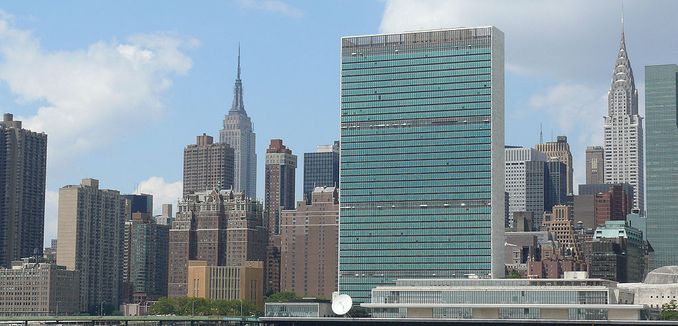
United Nations Secretary-General Ban Ki-moon today issued a message praising the "milestone" report of a High-Level Panel on access to medicines he set up a year ago to address the continuing problem of medicines prices being too high for many in the world to afford, and the lack of access to quality medicines for many. In his message, he called on governments to review the report and its recommendations, and to chart a way forward to address the problem of lack of access to medicines and health technologies.
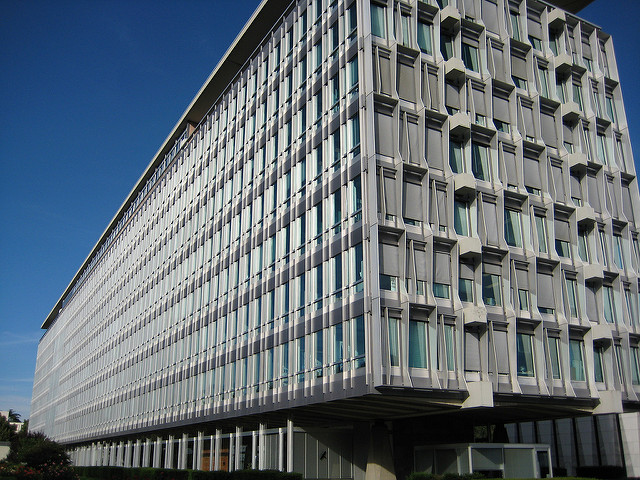
Candidates from around the world vying to be the next director general of the World Health Organization in recent weeks have presented their views to member states on a range of public health issues. Two of the six candidates answered a question put to them by Intellectual Property Watch relating to medicines prices, innovation and intellectual property. Here are their answers.
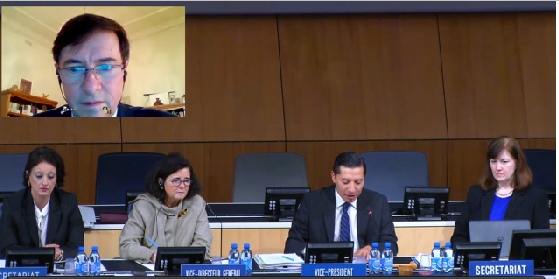
When visual artists sell their work, they usually perceive a price for that work. If it is resold at a much higher price, some countries provide for a resale right, providing artists with resale royalties. In other countries, such a right does not exist, putting visual artists in a disadvantageous situation, particularly indigenous artists, whose work can become very valuable on the international art markets.
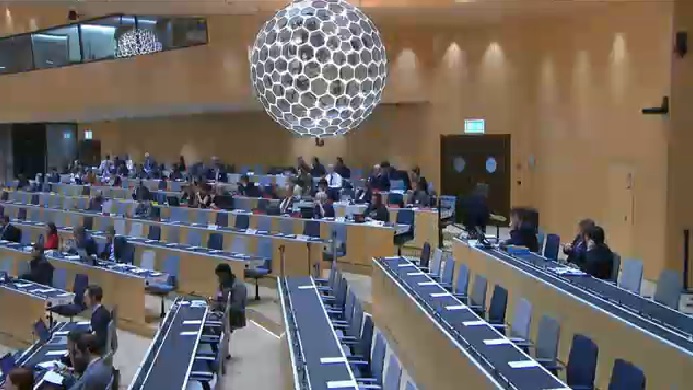
The World Intellectual Property Organization committee on copyright agreed on its work for its spring session, which is expected to advance work towards a treaty protecting broadcasting organisations. Discussions on limitations and exceptions to copyright for libraries, archives, education, and research will remain on the agenda. Although some delegations remarked that the agenda is already heavy, they agreed to continue work on resale right for visual artists and copyright in the digital age.